The midnight bell
Thus Spoke ZarathustraThe midnight bell is both a sound heard at Zarathustra’s Mountain Cave and a recurring sign that midnight has arrived. Life interprets its toll as evidence of Zarathustra’s desire to leave; later, after he has been shaken by an encounter involving The Ugliest Man, its rising sound gathers the Higher Men into a shared silence. Its significance lies in this double role: the bell marks an hour, but it also gives voice to a transition Zarathustra has not yet openly explained.
Sound and Setting
Life describes the bell as old, heavy, and booming, its sound reaching Zarathustra’s Mountain Cave at night. The distance matters: the bell is not introduced as something Zarathustra handles or approaches, but as a sound that arrives in his solitude. Life treats it as familiar enough to read his response to it, making the bell a private signal before it becomes part of a gathering witnessed by others.
The sound is associated specifically with midnight. Life says that when Zarathustra hears the bell strike the hour, he thinks through the hours between one and twelve. The toll thus makes time audible, while the passage presents its effect less as a simple announcement of the clock than as a prompt to reflection. Midnight is an hour that separates one day from another, and here it also gives shape to a thought of departure.
Life’s Interpretation
In her exchange with Zarathustra, Life turns the bell into evidence in an intimate accusation. She says he is not as faithful to her as he claims and that she knows he is thinking of leaving soon. The old bell’s nightly reach to the cave is the circumstance she invokes: when it strikes midnight, she understands him to be contemplating departure. The sound therefore carries a meaning within their relationship before the later scene broadens its reach.
Zarathustra answers hesitantly, acknowledging that Life knows he is thinking of leaving, but adding that she also knows something he says into her ear. The text does not disclose those words. That withheld reply leaves the exchange unresolved: Life’s reading of the bell is clear, but Zarathustra’s private answer remains between them. The bell marks a pressure toward departure without turning that pressure into a fully explained decision.
The Bell at Midnight
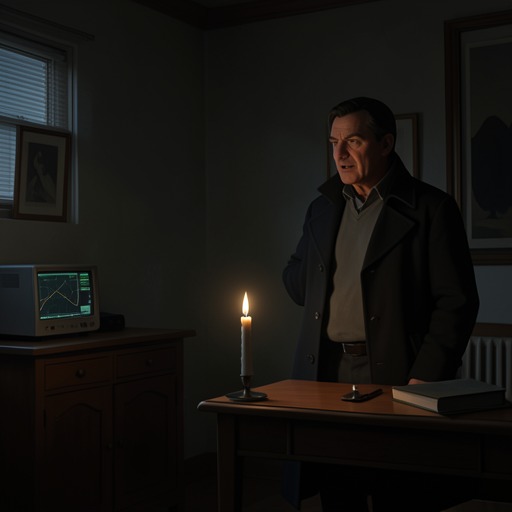
Later, following the incident involving The Ugliest Man, Zarathustra stands unsteady and inarticulate. The Higher Men hold him as he gradually comes to himself; he restrains the anxious and adoring group with his hands but does not speak. Then he swiftly turns his head, apparently hearing something, places a finger to his lips, and calls them to come. The bell rises slowly from the depths. The scene gives its sound a public setting: Zarathustra listens, and the Higher Men listen with him.
The hush widens until even the Ass, Zarathustra’s Eagle and Serpent, his cave, the cool moon, and the night itself seem to listen. This enlarging circle changes the bell’s function. Earlier, Life used it to interpret Zarathustra’s private thoughts; now its sound holds an entire scene in suspension. Zarathustra signals silence with his finger more than once, then urges the group to walk into the night as the hour arrives. The bell does not merely register a passing moment: its toll reorganizes what everyone present is doing, turning stillness into a summons to move.
An Older Voice
Addressing the Higher Men, Zarathustra presents the midnight bell as a voice that speaks in his ear. He describes it as having experienced more than one man and as having counted the painful heartbeats of their fathers. Its age is therefore measured not by a stated history or origin but by the human suffering it has witnessed. The bell seems to carry inherited experience into the present gathering, linking the listeners to lives and heartbeats before their own.
Its speech is described through a tension of qualities: it is secret, fearful, and warm; it sighs and laughs in dreams. Zarathustra asks the Higher Men to attend, explaining that the bell speaks and can be heard when the clamour of their hearts has grown still. The midnight setting enables this change from noise to hearing, while the bell’s personified voice gives the silence content. It first reveals, through Life’s interpretation, that Zarathustra is considering departure; in the later scene it lends its age and intimacy to his address. The bell thus joins timekeeping to memory and summons: it marks the threshold of midnight, makes private thought audible to Life, and prepares a silent company to enter the night together.