
The Addiction Behind the Pain
Tiny Beautiful Things: Advice on Love and Life from Dear SugarThis thread traces a small-business owner's dependence on pain medication through financial and emotional crisis toward a plan centered on medical honesty, recovery support, and practical help.
increasing Bearing strength in each event
 decreasing
Bearing strength in each eventdecreasingPain After the Accident
Pain After the Accident
A damaged spine
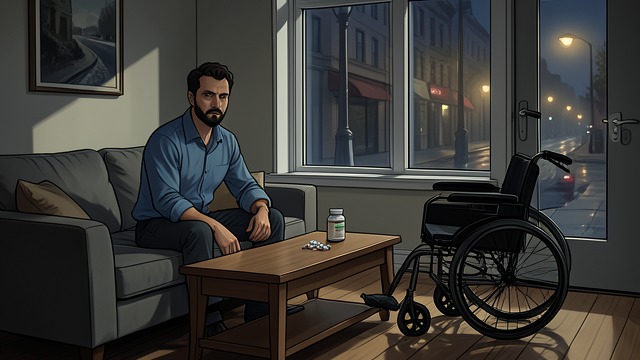
The writer reports that an accident damaged his spine. A neurosurgeon advised against surgery and referred him to a pain-management clinic, where he began using strong medication.
Dependence takes hold
His use grows far beyond the prescribed schedule: a month’s supply lasts only seven to ten days, after which he crashes and begs or borrows medication to make it to the next appointment. He recognizes that the pattern could end in overdose or serious physical damage.
The drugs have become more than a response to pain. He says he depends on them mentally as well as physically, using them to manage financial uncertainty, a troubled marriage, and grief.
The Options That Feel Impossible
The Options That Feel Impossible
A shrinking livelihood
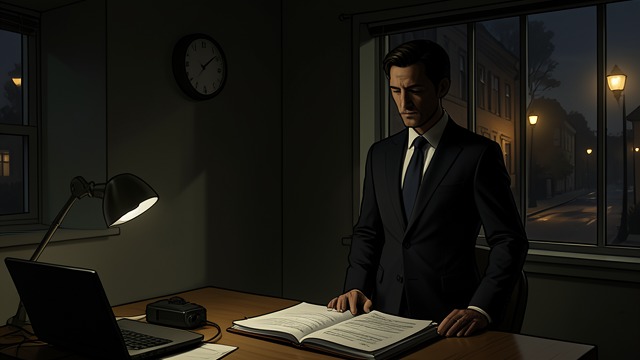
The economic downturn reduces the writer’s business until he has no employees. Without health insurance, he believes that missing work would mean his family could not eat.
Three apparent dead ends
He lists continuing as before, entering rehab and risking the loss of the house and business, or attending local recovery meetings and risking damage to his reputation. Each option appears to require a sacrifice he cannot bear.
The list is shaped by a mind under pressure. The writer understands the danger but sees no path that protects his health, livelihood, and family at once, so the apparent choices reinforce his sense that he is already trapped.
Losses Gather Around Him
Losses Gather Around Him
Grief alongside addiction
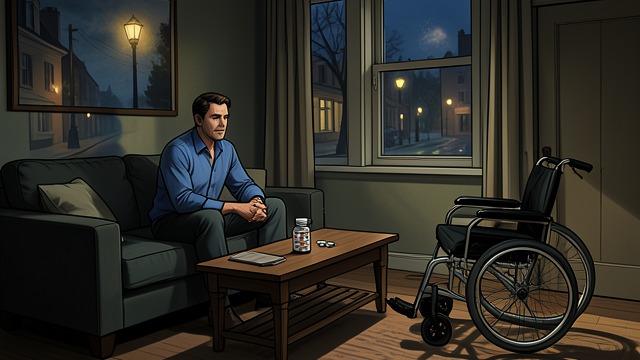
The writer has recently lost his mother and then one of his best friends to cancer. Their deaths accumulate alongside chronic pain and the strain of a marriage he describes as loveless.
A worsening mental state
He reports depression and suicidal thoughts, which he suspects are connected to the medication as well as the economy and his circumstances. He feels isolated, with his children as his main source of connection.
By describing these pressures together, the letter shows how the addiction has become entangled with every vulnerable part of his life. He is not facing a single habit in isolation but a knot of pain, grief, fear, and secrecy.
A Call for Outside Help
A Call for Outside Help
Rejecting solitary recovery
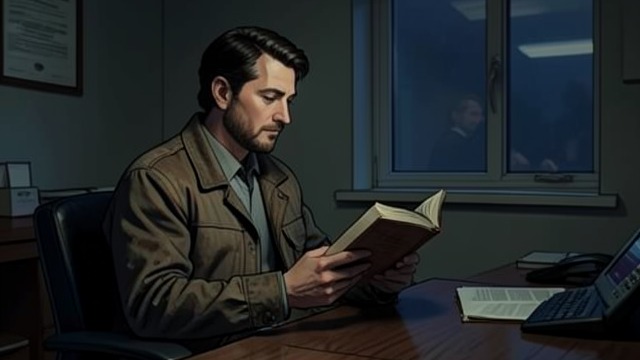
Sugar challenges the writer’s belief that he lacks the discipline to stop. She interprets the problem differently: he cannot do it alone and must reach out for help.
Starting with the physician
Her first recommendation is to tell the pain-clinic doctor everything, including the addiction, depression, and financial distress. A physician may help arrange a safe taper, alternative medication, addiction treatment, or counseling; concealing the problem, Sugar warns, is the instinct most likely to endanger him.
The answer is blunt about the urgency but does not frame help-seeking as disgrace. It presents medical honesty as the first step toward recovering a capacity for choice that addiction and despair have clouded.
Building a Recovery Plan
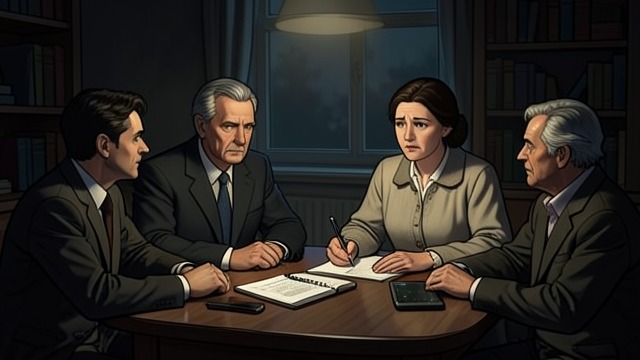
Building a Recovery Plan
A community beyond secrecy
Sugar recommends a no-cost Narcotics Anonymous or Alcoholics Anonymous meeting if treatment cannot be arranged through the doctor. She acknowledges the fear of judgment but argues that people who have struggled with addiction can offer practical support and recognition.
Bringing the household into the plan
She urges a conversation with the writer’s wife, timed according to whether she can support the first steps or is more likely to help once change has begun. She also proposes a financial plan that includes public assistance, possible work for his wife, and help from friends or family.
A story of trapped kittens reinforces the answer’s central image: the animals eventually stepped into the offered hands. The metaphor does not promise an easy recovery or a specific outcome; it marks the possibility of accepting help before the crisis grows still louder.
Several years before writing
As the business contracts during the economic downturn
After the death of his mother and a close friend
When Sugar answers the letter
In the days after Sugar's advice
