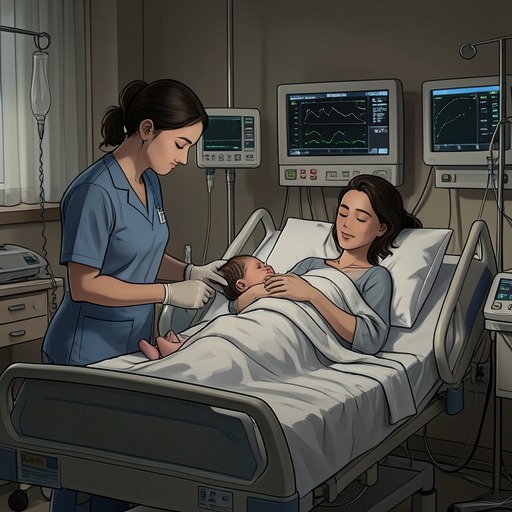
Emma’s brain tumor surgery
Tiny Beautiful Things: Advice on Love and Life from Dear SugarEmma’s brain tumor surgery is the turning point in a mother’s account of fear, relief, and unresolved faith. The operation addresses the tumor discovered when Emma was six months old; its apparently successful outcome gives the family hope without making the diagnosis or its future consequences entirely certain.
Before the operation
Writing from the pediatric intensive care unit at Egleston Children's Hospital in Atlanta, Emma’s mother describes the prospect of surgery the next day. She fears losing her daughter, as well as the possibilities that Emma could be paralyzed, face developmental difficulties, or need chemotherapy if the tumor proved cancerous. The family had not imagined finding itself confronting such a serious medical crisis.
The mother says that other people have offered thoughts and prayers, but that the emergency has intensified her doubts about God. She asks Sugar and the column’s readers to pray for Emma, while acknowledging that she is unsure whether she believes in the God to whom those prayers are directed. Her immediate hope is that her husband and daughter will get through the crisis and that the family can eventually look back on it with relief.
The operation and recovery
In a follow-up letter, the mother reports that the surgery went well and that the doctors think the tumor is benign. They left a very small portion behind because it was attached to a blood vessel; attempting to remove it could have left Emma permanently paralyzed. The decision leaves an unresolved medical detail alongside the encouraging initial assessment.
Emma recovers so well that even the doctors seem surprised, and the family expects to go home the following day. The operation therefore changes the immediate outlook from fear of a life-threatening outcome to guarded relief, while the remaining tumor tissue and the hope that it will not return keep the future open.
Prayer, hope, and uncertainty
After the operation, Emma’s mother hopes that God exists and that prayer helped keep her daughter safe. She says people across the country prayed for the family and asks that they continue praying for Emma’s recovery and for other children facing serious illness. Yet the good news does not settle her belief: she wants to treat the outcome as a sign of God’s existence, but also recognizes that it could be coincidence.
The letters preserve that uncertainty rather than turning recovery into proof. The mother continues to pray while remaining unsure whether God is present or prayer works; her hope rests both on Emma’s immediate improvement and on the possibility that the tumor will not return.