Sugar chooses to have her first child despite ambivalence
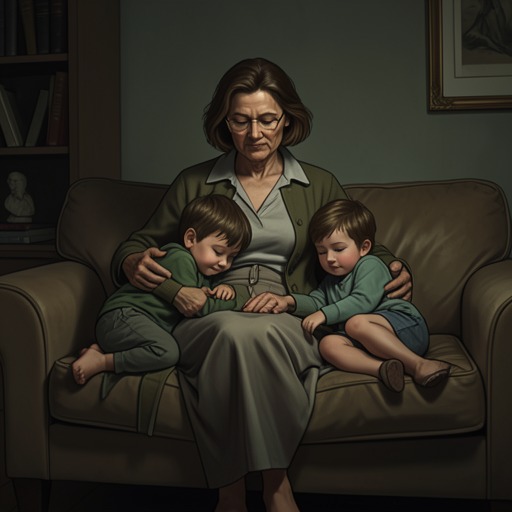
Tiny Beautiful Things: Advice on Love and Life from Dear SugarSugar chooses to have her first child despite ambivalence, making the decision without the certainty she had assumed would arrive. Recalled in retrospect, the choice is shaped by limited time, a desire only slightly stronger than fear, and a life with Mr. Sugar that both partners valued. Her son’s birth brings a bodily, immediate clarity, but it does not erase the imagined life she surrendered; the event becomes an account of choosing without knowing everything that choice will cost or give.
The decision without certainty
In her mid-thirties, after years of assuming she would one day simply know whether she wanted to become a mother, Sugar found no such decisive feeling. She had imagined herself at the end of the spectrum that preferred to be left alone, and could readily picture remaining childless. The practical pressure was that she was nearing the final years of her fertility. Her desire to experience motherhood was only just stronger than her doubts, not a certainty that displaced them.
Sugar presents this imbalance as the actual basis of the choice: she decided to become pregnant while still uncertain. The event is therefore not a conversion from reluctance to confidence before acting. It is a commitment made in the absence of clarity, with the consequences still unknown.
A shared ambivalence
Mr. Sugar was in accord with her lack of certainty. They were generally pleased to be expecting a baby, yet deeply alarmed by what parenthood might change. Their existing life offered pleasures they expected a child to make difficult or nearly impossible: having sex, traveling through foreign countries in ways unsafe for a baby, reading in silence on facing couches, working uninterrupted on their respective art, taking unscheduled naps, and spending weeks backpacking in the wilderness.
During the pregnancy, they did not dwell on how wonderful it would be when the baby arrived. Instead, their conversations returned to the possibility that they had made a dreadful mistake. Sugar wondered whether they might love the baby less than people promised, or find the baby boring, annoying, or unpleasant. Their wish to bicycle across Iceland or hike in Mongolia remained vivid even as they prepared to become parents. The old life was not a straw alternative: it contained real attachments and freedoms that the decision would put at risk.
Birth and belated clarity
Sugar says she did not regret having a baby. Her son’s body against hers became the clarity she had lacked while deciding. During the first weeks of his life, she was rattled by how close she had come to choosing a life without him. Becoming his mother felt both like the end of her previous life and the beginning of another, an irreversible change rather than a simple resolution of uncertainty.
In retrospect, she says she would make the same choice immediately if she could return to the decision. Yet the certainty of that answer does not mean she had possessed it beforehand. The clarity came after the choice, through the reality of her relationship with her son, rather than through a prior feeling that settled the question.
The life not chosen
The decision leaves an imagined sister life: the other possible course, which Sugar cannot know from within the life she chose. She wonders whom she might have nurtured, what creative and practical work might have gathered her love, and what she wrote—or did not write—while raising her children. She sets the work and interruptions of motherhood against the quiet reading, travel, and freedom she and Mr. Sugar once enjoyed, without claiming that either life would have been wholly better.
Sugar describes the unchosen life as important and beautiful, but not hers. Its significance is not canceled by her conviction that she would choose motherhood again. The event ends with both truths held together: a choice can be right for the person who makes it and still contain a real loss. The image of The Ghost Ship That Didn't Carry Us gives that loss a form; there is nothing to do but acknowledge the life that remained beyond reach.