
A Father's Place in the Child's Life
Tiny Beautiful Things: Advice on Love and Life from Dear SugarThis thread follows a new mother’s anger at an absent father and Sugar’s argument that the child’s future warrants careful attempts at contact without making the mother responsible for the father's choices.
increasing Bearing strength in each event
 decreasing
Bearing strength in each eventdecreasingA Mother on Her Own
A Mother on Her Own
The father leaves
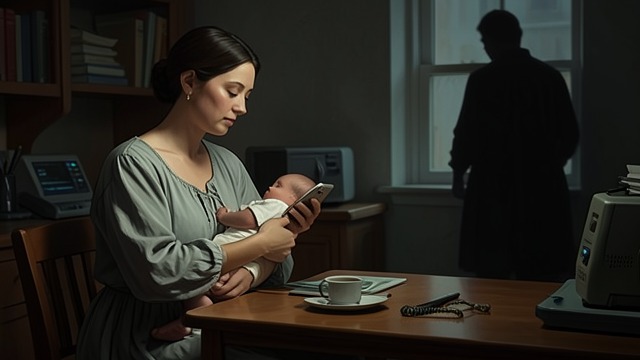
The baby’s father leaves while the writer is pregnant and does not attend the birth. By the time she writes, the child is more than a year old and the father has seen the baby only once, in the first weeks after birth.
A one-sided beginning
He sends occasional emails saying that he cares, but has not paid child support or called to ask how the child is doing. The writer describes herself as the parent who treasures the baby’s daily life while the father remains physically and practically distant.
The imbalance makes her question whether replying to his messages would serve the child or merely reward a man who has failed to show up. Her anger is understandable, but the child’s relationship to the father remains an unresolved part of the family story.
The Steel-Toed Impulse
The Steel-Toed Impulse
Anger looking for an outlet
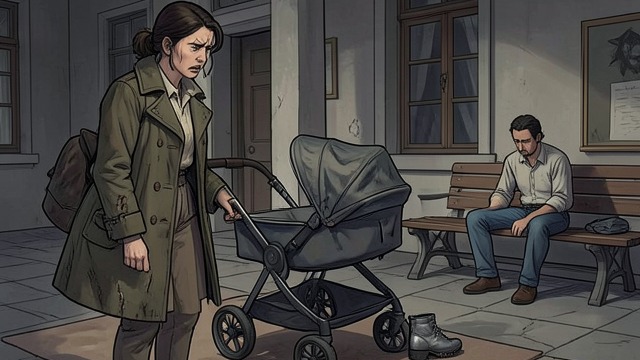
The writer says she would like to kick the baby’s father in the groin with steel-toed boots. The image gives voice to her astonishment that he can claim to care while contributing so little to the child’s life.
The question of updates
She asks whether she must send photographs and news in response to his infrequent emails. She is leaning toward silence but remains open to advice because she wants to do what is best for the baby.
The question places her own justified resentment beside a longer horizon. The issue is not whether the father deserves her generosity; it is whether preserving a possible bond could matter to the child later.
A Child's Future Reckoning
A Child's Future Reckoning
A permanent fact
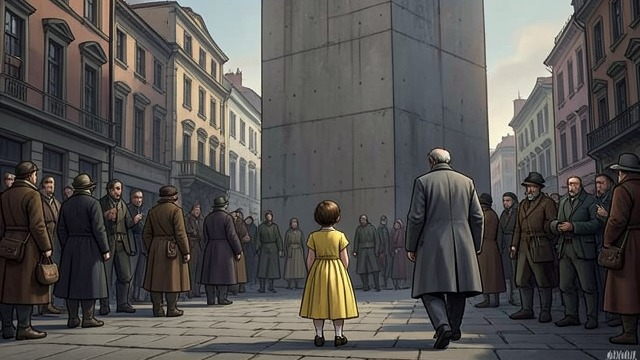
Sugar argues that the father remains a central fact of the child’s life whether or not he becomes an involved parent. One day the child will have to make sense of who the father is and how he succeeded or failed.
Separating anger from conduct
The answer asks the mother to do what she can to avoid obstructing a father-child relationship and to keep from failing the child herself. That does not make the father’s absence her responsibility, but it does make the way she responds part of the child’s experience.
Sugar’s use of her own history gives the advice its emotional weight. Cheryl Strayed describes loving a destructive father as a child and the pain of his later absence, showing how a child’s attachment can persist even when the adult’s conduct gives little reason for trust.
A Practical Opening
A Practical Opening
Formal support
Sugar recommends pursuing child support through formal legal channels rather than relying on an informal promise. She presents financial support as protection for the child and a clear statement that the father owes something to his child.
An invitation to participate
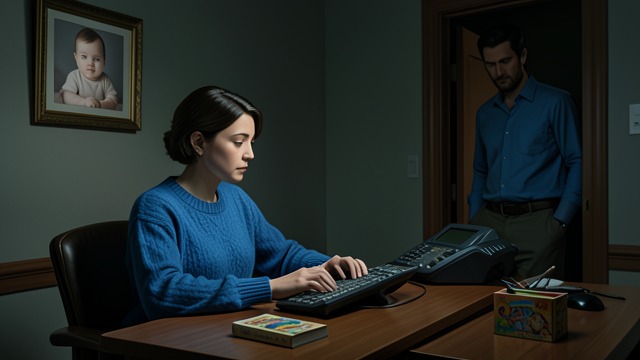
She also suggests a carefully worded email acknowledging his absence without attacking him, asking about a visit, and sharing a few details about the baby’s personality and development. Photographs and stories would make the invitation concrete while leaving room for him to change.
The advice is not a claim that these gestures will succeed. It treats them as responsible attempts whose outcome cannot yet be known, while encouraging the mother to find trusted friends with whom she can express the anger she should not have to place on the child.
Holding the Line Around Anger
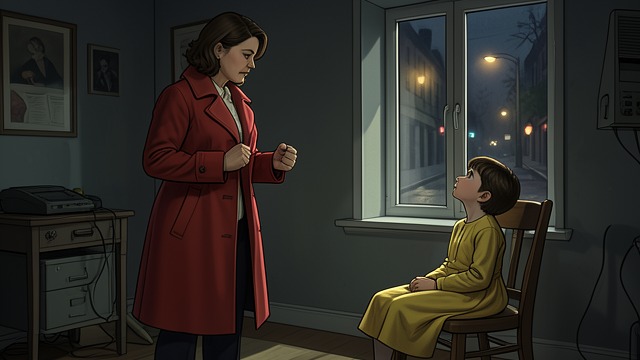
Holding the Line Around Anger
The mother's private burden
Sugar warns that resentment needs somewhere to go. If the mother has no safe place to express her rage, she may eventually put those feelings onto the child or let them shape every interaction about the father.
A model of restraint
Cheryl Strayed recalls how her own mother spoke honestly about painful events without demonizing the father who had harmed and abandoned the family. That distinction allowed the children to retain their complicated love for a parent who was also deeply flawed.
The thread ends with a demanding example rather than a reported outcome for the letter writer. The mother is encouraged to give her child a humane account of the father where possible, while still requiring formal support and protecting her own emotional life.
During the pregnancy and the baby's first year
When the father sends another intermittent email
Years ahead in the child's imagined adulthood
Immediately after Sugar's recommendation
As the child grows and the father's role remains uncertain
