
Learning to Be Their Mother
Tiny Beautiful Things: Advice on Love and Life from Dear SugarThis thread traces Cheryl Strayed / Sugar’s evolving bond with her children from ambivalence about parenthood to a demanding, affectionate practice of care.
increasing Bearing strength in each event
 decreasing
Bearing strength in each eventdecreasingA Dress Before Motherhood
A Dress Before Motherhood
A Future She Does Not Imagine
At eighteen, Cheryl Strayed / Sugar believes she probably will not have children. She finds children cute but thinks they are ultimately annoying, and imagines that she wants other things from life. Parenthood is not yet part of the future she can picture for herself.
A Small Purchase
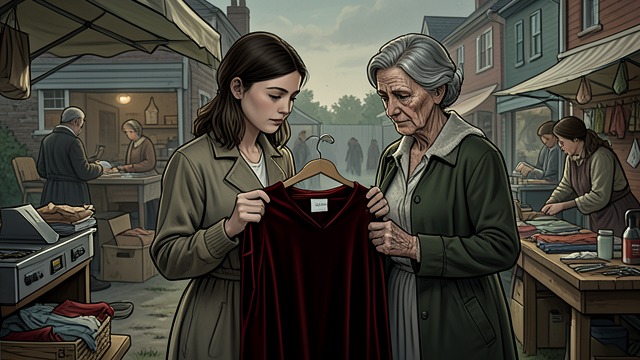
At a yard sale with her mother, she is drawn to a red velvet toddler dress. She cannot explain the desire and resists buying it, but her mother says she can keep it in a box for some future she cannot yet know. Her mother buys it for her.
The dress becomes a quiet thread between Cheryl Strayed / Sugar’s young self and the mother she will become. Its meaning is not available at the moment of purchase; the bond it represents will unfold only after both loss and birth change how she understands it.
Choosing the First Child
Choosing the First Child
Desire Without Certainty
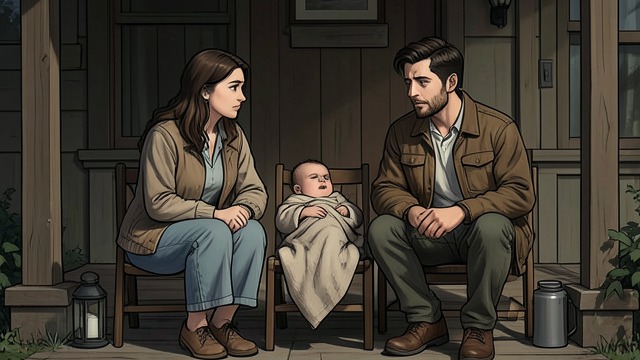
Cheryl Strayed / Sugar and Mr. Sugar consider having a child without the clear, settled feeling they expected to arrive. They love their independent life: reading in silence, working on art, traveling, and sleeping without interruption. The prospect of becoming parents brings genuine alarm as well as hope.
A Choice Against Regret
Cheryl Strayed / Sugar decides to become pregnant because her desire to try is just barely stronger than her doubts, and because she does not want fear to decide the question for her. The choice is not based on certainty that parenthood will be easy or that she will know exactly what it means.
Her son’s arrival later gives the decision a clarity she did not possess beforehand. The relationship begins with a leap into responsibility, not with proof that every worry has disappeared.
A New Center of Love
A New Center of Love
The Change of Scale
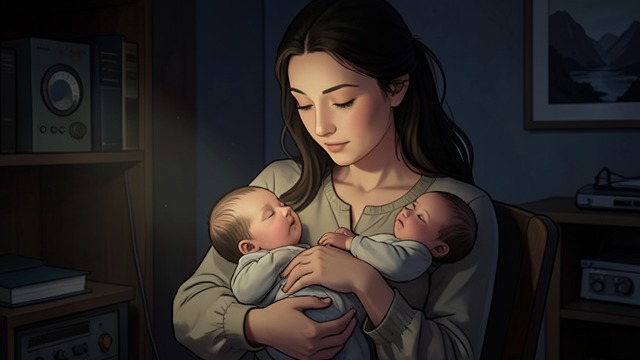
After the birth of her first child, Cheryl Strayed / Sugar feels her life ending and beginning at once. The baby’s body against hers supplies a kind of clarity she had not found while weighing the decision in the abstract.
Becoming a Parent
The new relationship is not simply an addition to her old life. It alters what she notices, how she spends her time, and what she understands herself to be responsible for. She is startled by how close she came to a different life without this child.
That astonishment does not prove that all parents experience the same transformation, but it marks the intensity of her own bond. Love arrives as a lived relationship, not as an argument that could have removed uncertainty in advance.
The Work of Staying Kind
The Work of Staying Kind
Love Under Strain
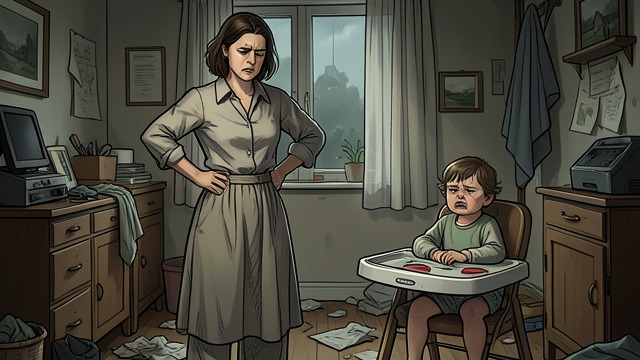
Cheryl Strayed / Sugar describes caring for two young children as exhausting and maddening work. She has also behaved toward them in ways she regrets, recognizing that profound love does not prevent impatience, anger, or failure.
Repair and Responsibility
Rather than treating guilt as proof that she is an unworthy parent, she sees her regrets as a reason to change. Parenting asks her to confront the brightest and darkest parts of herself and to draw on practical support, rest, and honest self-examination.
Her children’s importance does not absolve her of responsibility; it sharpens it. She wants to become the mother they deserve, not through perfection but by acknowledging harm, repairing what she can, and trying again with greater care.
The Dress on Her Daughter
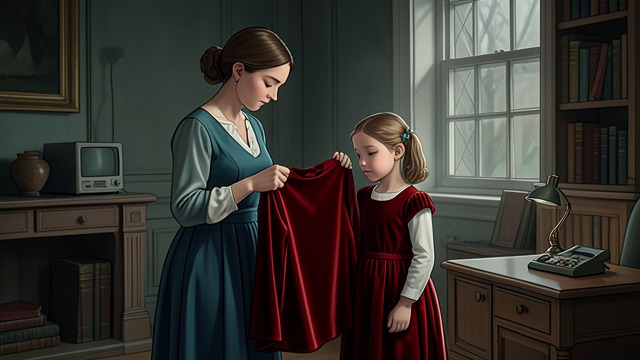
The Dress on Her Daughter
A Keepsake Returns
Years after the yard sale, Cheryl Strayed / Sugar takes the red velvet dress from the cedar chest and sees her daughter wearing it. The dress connects a choice made before motherhood to the child now standing in front of her.
A Three-Generation Bond
Cheryl Strayed / Sugar understands that her mother bought a dress for a granddaughter she would never know. The simple fact carries both pain and sweetness: her mother is absent, yet her care has reached the next generation through the object she chose and saved.
The scene deepens Cheryl Strayed / Sugar’s sense of maternal love as something made of ordinary acts whose significance may emerge much later. Her daughter’s bond with a grandmother she never met is real not because absence disappears, but because love continues to shape the living.
At eighteen, before Cheryl Strayed / Sugar expects to become a parent
In her mid-thirties, as Cheryl Strayed / Sugar approaches the end of her fertility
In the first weeks after the birth of her first child
When her children are young, during a period of sustained caregiving
On her daughter’s second Christmas
