
A Daughter Lost Before Birth
Tiny Beautiful Things: Advice on Love and Life from Dear SugarThis thread follows a bereaved mother from the loss of her late-pregnancy daughter and corrosive self-blame toward seeking support and imagining a life that carries grief without being arrested by it.
increasing Bearing strength in each event
 decreasing
Bearing strength in each eventdecreasingA Wanted Pregnancy
A Wanted Pregnancy
An unexpected decision
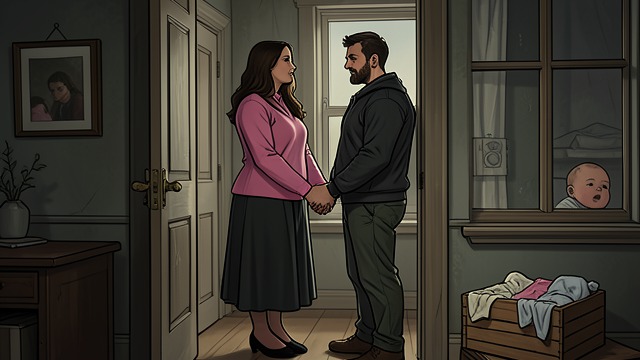
The letter writer recalls becoming pregnant about eighteen months earlier. The pregnancy was unplanned, but she and her boyfriend surprised themselves by deciding to continue it; their daughter was wanted and loved before she was born.
A future imagined
The pregnancy gave the couple a shared future to anticipate. The writer remembers imagining a daughter with a name and picturing the ordinary milestones that might have followed birth.
That imagined life matters because the loss is not experienced as an abstract medical event. It is the death of a particular child whose place in the family had already begun to take shape.
The Late Miscarriage
The Late Miscarriage
The sudden loss
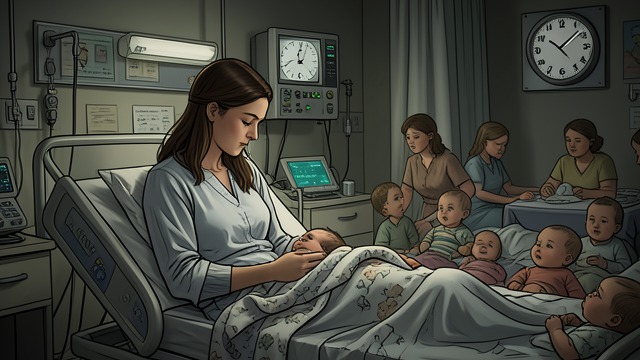
At six and a half months, the writer miscarried. Her daughter died before birth, ending a pregnancy that both parents had chosen and invested with hope.
Grief without recognition
In the months that followed, the writer measured time through the age her daughter would have reached. Babies elsewhere became reminders of the child she had lost, and the repeated thought of “daughter” filled the space where ordinary language failed.
The loss was compounded by the responses around her. People expected her to recover quickly, and one person minimized the death as “only a miscarriage,” leaving her to grieve while also doubting whether she had a right to grieve.
A Doctor's Blame
A Doctor's Blame
A causal explanation
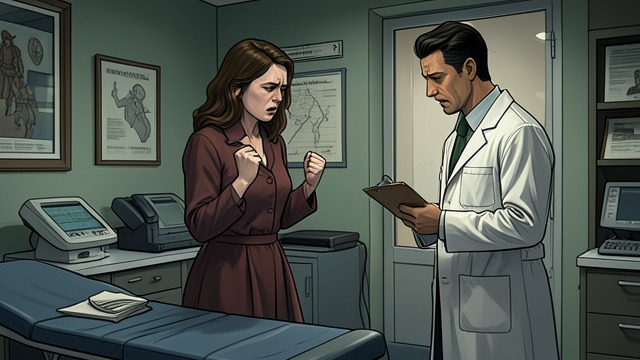
The writer reports that her doctor linked the pregnancy’s risk to her weight and said he was not surprised by the miscarriage. She heard the explanation as a verdict that she had caused her daughter’s death.
Guilt turned inward
The doctor’s words joined her sorrow to a punishing question: whether she had killed her baby. Even as one part of her considered the doctor an asshole, another part believed he might be right.
The uncertainty did not remain a private thought. It became a force organizing her behavior, making grief feel like evidence against herself rather than a response to an unbearable loss.
Punishment Through the Body
Punishment Through the Body
An attempt to regain control
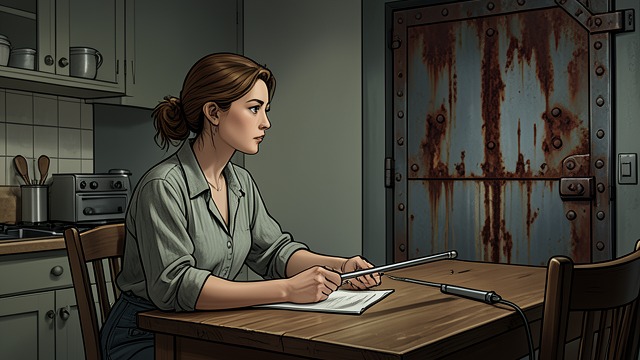
After leaving the hospital, the writer hired a trainer and began dieting. The effort to change her body followed the belief that her weight had caused the miscarriage and that correcting it might answer her guilt.
A dangerous cycle
The effort escalated into not eating for days, bingeing and vomiting, and spending hours on the treadmill until her legs could no longer lift her. She described herself as out of control and recognized that she was doing serious harm to herself.
Her friends and family thought she was doing well because she went to work, socialized, and smiled. The concealed severity of her eating behaviors and depression made the crisis more isolating, even as she understood that she needed help.
Reaching Toward Healing
Reaching Toward Healing
Finding a more useful circle
Sugar rejects the demand that the writer should already be over her daughter’s death. She recommends finding other bereaved parents through hospital or birth-center support groups and online communities, where the writer need not pretend that the loss was small.
Help without erasure
Sugar also urges her to speak honestly with her boyfriend, hear his experience without measuring it against her own, and seek therapy alone and together. These forms of help are presented not as ways to forget the daughter, but as ways to live with the loss without letting it consume the rest of life.
The answer does not claim that recovery will be quick or that the daughter will cease to matter. It frames healing as a demanding possibility: grief can remain part of the writer’s life while the life itself begins moving again.
Eighteen months before writing
At six and a half months of pregnancy
During the hospital stay after the miscarriage
In the months after leaving the hospital
Nearly a year after the miscarriage
