
A Mother’s Love Across Loss
Tiny Beautiful Things: Advice on Love and Life from Dear SugarThis thread traces Cheryl Strayed / Sugar’s bond with her mother from childhood tenderness through bereavement to the inheritance of care passed on to her daughter.
increasing Bearing strength in each event
 decreasing
Bearing strength in each eventdecreasingA Mother’s Hold

A Mother’s Hold
Fear at the Pool
At three, Cheryl Strayed / Sugar clings to the side of the swimming pool, unconvinced by the flotation bubble her mother says will hold her up. The other children paddle around while she remains afraid to let go. Her mother’s reassurances cannot yet overcome the child’s certainty that she will sink.
The First Release
On the class’s final day, her mother enters the water and draws her toward the middle, first holding both hands. Then she suddenly lets go. The surprise gives way to the discovery that Cheryl Strayed / Sugar can move through the water without being held.
She swims back and forth across the pool, calling out to her mother from the far side. The moment becomes an early lesson in trust: her mother’s love is not only shelter, but confidence that her child can find her own way.
A Mother Leaves
A Mother Leaves
The Household of Fear
Cheryl Strayed / Sugar remembers her father as destructive and often violent toward the family. She and her siblings cry, hide, and live with fear, yet her love for him remains enormous. As a child, she cannot separate the parent she loves from the harm he causes.
The Divorce
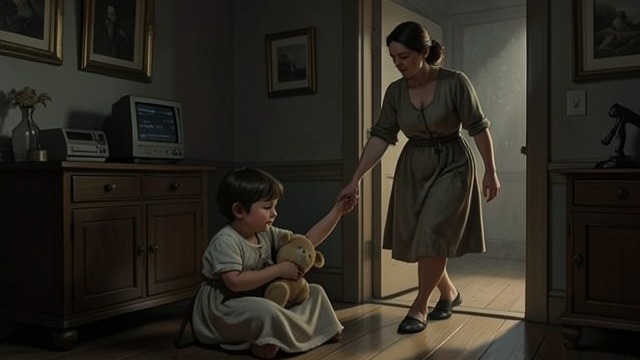
When her mother finally leaves her father, six-year-old Cheryl Strayed / Sugar begs her to go back. The child understands the separation as the loss of her father, and in an important sense she is right: after the divorce, he is largely absent from her life.
Her mother does not turn that absence into a demand that the children stop loving him. The decision to leave protects them, while her restraint preserves room for their complicated attachment. That example will shape how Cheryl Strayed / Sugar later thinks about love, harm, and a child’s bond with a parent.
The Last Word
The Last Word
A Goodbye Without Closure
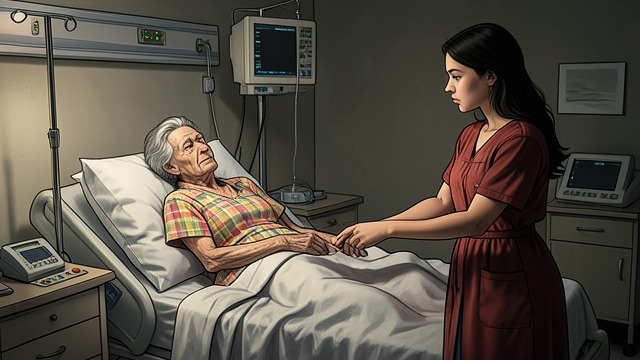
Cheryl Strayed / Sugar is not beside her mother when she dies in a hospital. Before leaving, she bends to kiss her, but her mother is too physically pained to bear the touch and says, “Please, no.” Cheryl Strayed / Sugar says she will return in the morning and tells her mother, “I love you.”
The Word That Remains
Her mother is silent until Cheryl Strayed / Sugar is almost out the door, then calls after her: “love.” She dies before her daughter returns. The fragment becomes the last exchange between them, carrying an intimacy that neither illness nor death can complete or undo.
For years, Cheryl Strayed / Sugar replays the choices that kept her from being present at the end. The memory does not yield a different ending, but her mother’s final word remains a lasting expression of their bond and, later, the origin of Sugar’s understanding of love.
The Stones in the Closet
The Stones in the Closet
A Jar of Keepsakes
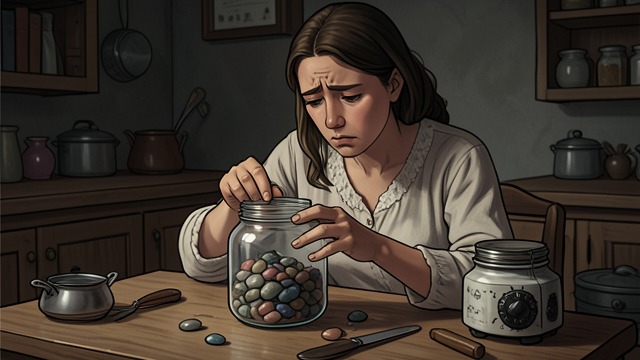
While clearing her mother’s bedroom, Cheryl Strayed / Sugar finds a glass jar tucked far back in the closet. It holds small stones that she and her siblings had given their mother as children, found on beaches, trails, and the edges of parking lots. Her mother had called them worry stones.
Searching for Her Mother
Cheryl Strayed / Sugar empties the jar and runs her fingers over the stones, hoping to find her mother in their familiar weight and texture. She wonders whether to keep them, return them to the yard, or carry them forward. No answer comes, because the work of grief cannot be solved by choosing the right object.
The stones cannot restore her mother, but they preserve the ordinary gestures through which a family loved her. Their meaning changes as Cheryl Strayed / Sugar carries them into adulthood: the bond persists, even as the material reminders scatter and new stones are given to her by her own children.
A Dress for the Future

A Dress for the Future
The Yard Sale
At eighteen, Cheryl Strayed / Sugar accompanies her mother to a yard sale and notices a red velvet toddler dress trimmed with white lace. She does not know why she wants it and insists that she does not plan to have children. Her mother answers that she can put it in a box and keep it, whatever she decides.
Love Outliving Its Giver
Her mother buys the dress, and Cheryl Strayed / Sugar carries it through the years in a cedar chest. After she has a daughter, she retrieves it and sees the object anew: her mother bought a dress for a granddaughter she would never meet.
When her daughter wears it, the dress makes absence and presence inseparable. Her mother’s care reaches beyond her own life, not by supernatural return but through a small act whose significance could only become visible with time.
At age three, during a childhood swimming lesson
When Cheryl Strayed / Sugar is six, after years of family violence
At age twenty-two, in the final hours of her mother’s life
Several months after her mother’s death
At age eighteen, then again when her daughter is a toddler
