Strayed’s mother leaves her abusive father
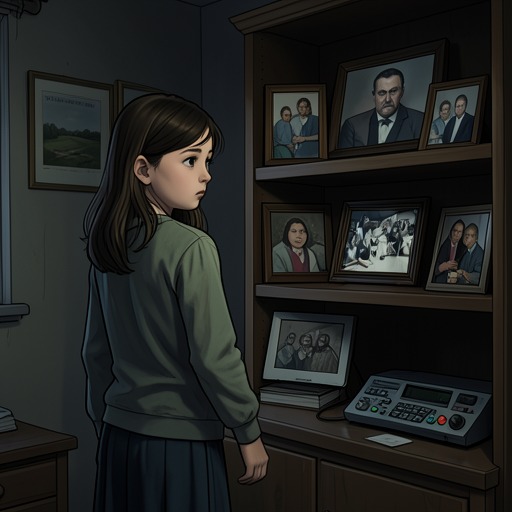
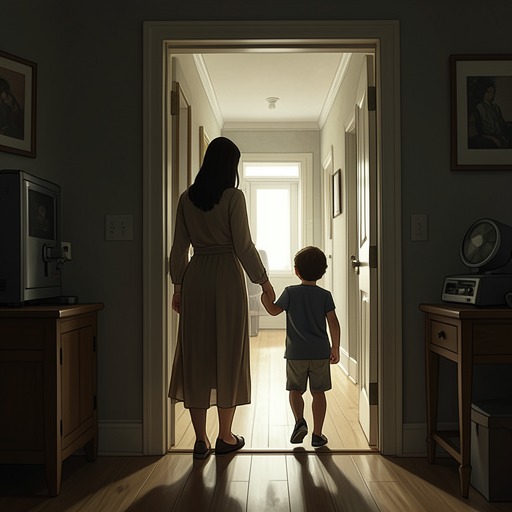
Tiny Beautiful Things: Advice on Love and Life from Dear SugarWhen Cheryl Strayed was six, her mother left her often violent and destructive father, an act Strayed later called probably the single best thing that ever happened to her. Yet the separation did not feel like uncomplicated rescue to the child: she loved her father, begged her mother to return to him, and was right to fear that the marriage’s end would also mean the loss of a father. The episode becomes a defining contradiction in her account of family: leaving an abusive partner protected the children, but it did not spare them grief, longing, or the damage of an absent parent.
Background and Decision
Strayed’s parents were both nineteen when her father got her mother pregnant. Abortion was illegal, and her mother was unwilling to go to a home for wayward girls and give the baby to someone else, so the couple married in a quick wedding. Over the next nine years they had three children. Strayed recalls that very hard things happened during those years and describes her father as often violent and mean; she presents her mother’s decision to leave as the consequential act within that difficult family history, rather than recounting the details of every harmful incident.
In retrospect, Strayed places the departure at the root of many later moves, decisions, and transitions in her life. Her assessment is not that leaving erased what had happened, or that the resulting family arrangement was painless. Rather, the separation was necessary in the face of her father’s destructive presence. That distinction matters to the event’s meaning: the child experienced a rupture, while the adult narrator recognizes the protection and possibility that the rupture made available.
A Child’s Love and Loss
Strayed remembers loving her father with a force that exceeded her terror and sorrow. She hated what he did to her mother, her siblings, and herself, yet could not stop loving him; not loving him had never occurred to her. Her distress showed itself in sobbing, shrieking, hiding, headaches she describes as age-inappropriate, and bed-wetting that continued well beyond the usual age. When her mother finally left, Strayed pleaded for her to go back with a desperation she says she had never felt toward anyone else. At six, she understood the separation as the possibility of no longer having a dad.
Her fear proved accurate in practical terms. After the divorce, Strayed says, she no longer had a father in the everyday sense. She saw him only three times, during short visits when sad and unsettling things happened, and otherwise experienced his absence. She grew up in cheap apartment buildings among other children of single mothers, many of whom also had little contact with their fathers. The divorce therefore meant more than the end of her parents’ marriage: it began a long childhood shaped by fatherlessness and by the unresolved wish for a relationship that might still become real.
The Distance After Divorce
A few times a year, letters addressed in her father’s handwriting to Strayed and her siblings appeared in the mailbox while their mother was at work. The children tore them open with intense excitement. The letters offered a recurring possibility of connection, even though the account does not describe them as leading to a sustained relationship. Their arrival sharply contrasts with the near-total absence that otherwise defined their father’s place in the children’s lives: a small envelope could briefly make him present, without changing the larger fact of his distance.
This remembered longing also informs Strayed’s advice to a mother writing about her baby’s father. She does not claim to know whether that man will become an involved parent. Instead, she urges the mother to keep her own feelings about him separate from decisions about the child’s relationship with him, recognizing that a parent’s words and conduct can affect both how a child sees the other parent and how the child sees themself. Her childhood makes that counsel more than an abstract principle: a child can be harmed by a parent’s conduct and still need room to love that parent.
Her Mother’s Refusal to Demonize
Strayed’s mother never spoke ill of her former husband to the children. This did not mean concealing what they had witnessed or suffered. She spoke honestly about the hard things, but did not turn their father into a monster in her children’s understanding. She presented him as human, complicated, flawed, and capable of redemption. Strayed interprets that restraint as making it possible for her to continue loving an absent man who was half of her.
The mother’s effort appears in small recollections as well as in her broad refusal to condemn. When Strayed asked what had made her fall in love with her father, her mother found things to tell her despite no longer being able to remember them clearly. When Strayed was a teenager and argued with her about the refusal to denounce him, her mother said she was grateful to him because he had helped make it possible for her to have her children. Her position did not erase the harm or require the children to deny it; it preserved a more complicated account of a person they remained connected to by family.
A Legacy of Openness
When Strayed was just beginning to become a woman and her mother knew she was going to die, her mother told her it would be all right to reach out to her father again. She encouraged her daughter to stay open to forgiveness, reconciliation, and change, and assured her that doing so would not betray her mother. The advice extended the same distinction that had shaped the mother’s conduct after the divorce: acknowledging harm did not have to mean foreclosing every possibility of change.
Long after her mother’s death, Strayed understood the mother’s words and actions as a bridge across which she could begin to heal wounds her father had made. She presents that legacy as a form of deliberate love, offered even when it feels unreasonable or when anger might seem more fitting. The departure thus has two lasting consequences in her account: it ended the children’s daily life with their father, and it established an ethic of honest, non-demonizing care that later helped Strayed face that loss without treating reconciliation as disloyalty.