Candy box
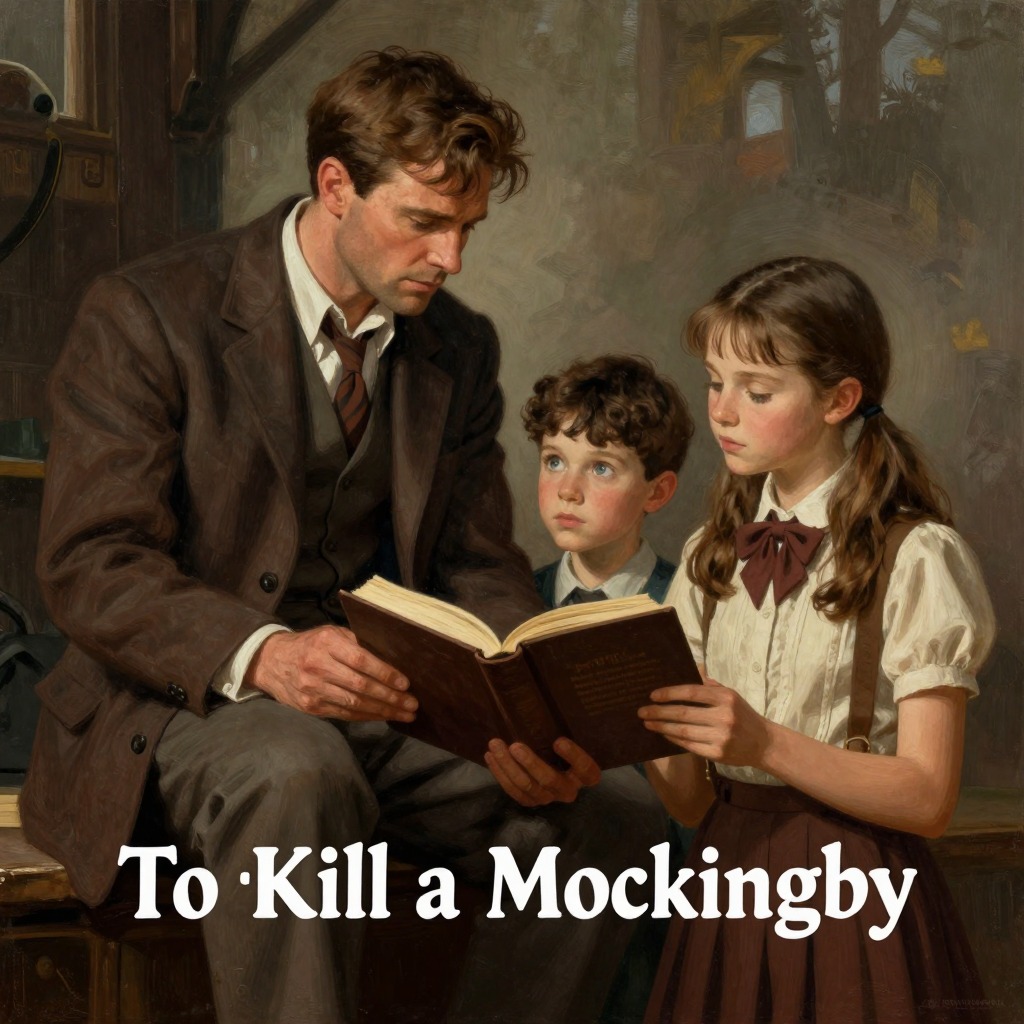
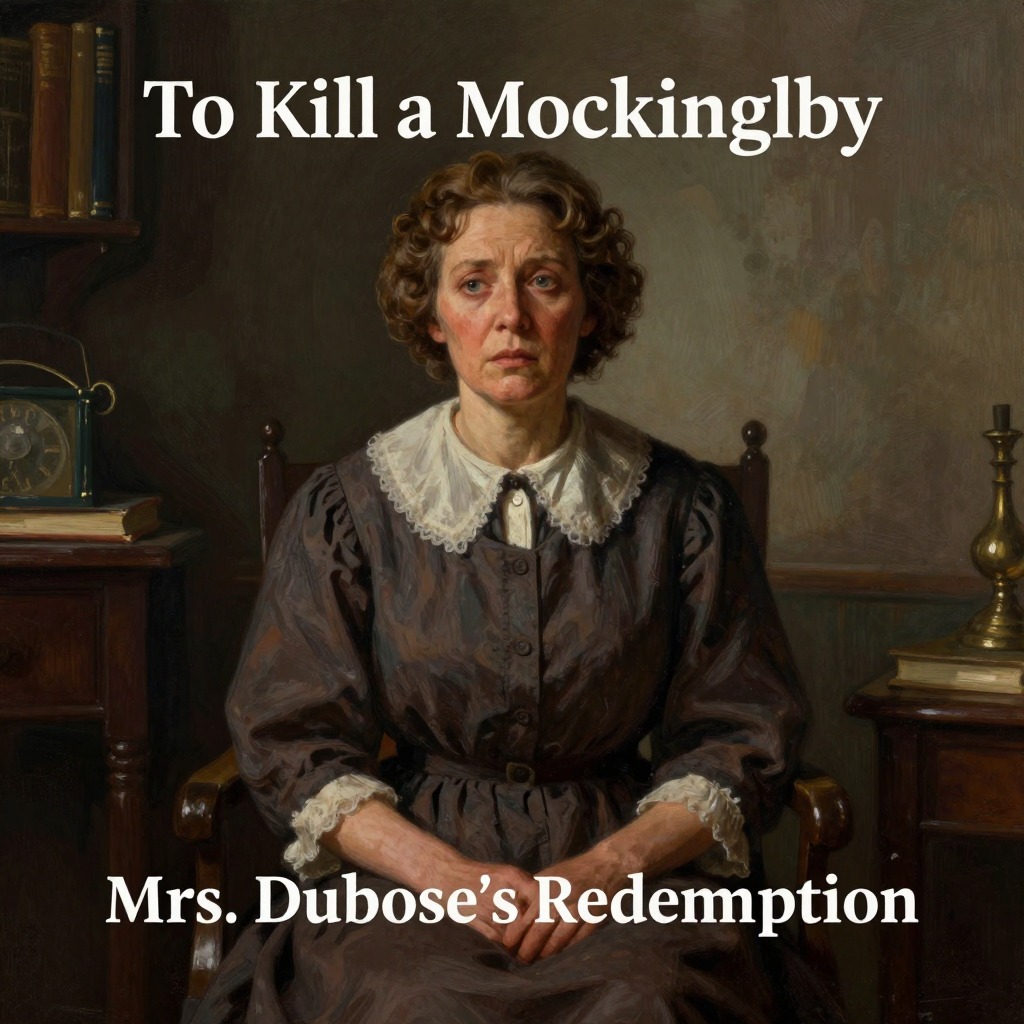
To Kill a MockingbirdThe candy box is a small, seemingly ordinary object that becomes the final, powerful symbol of Mrs. Henry Lafayette Dubose's moral victory and her complex, posthumous relationship with Jem Finch. Delivered by Atticus Finch on the night of her death, the box contains a perfect white Snow-on-the-Mountain camellia, a gift that transforms Jem's understanding of courage and redefines the legacy of a woman he had only known as a vicious neighbor.
Appearance and Delivery
The candy box enters the Finch household on the evening of Mrs. Dubose's death. Atticus, who had been called to her bedside, returns home long past Scout's bedtime carrying the box. He places it on the floor beside his chair in the living room. When Jem asks what she wanted, Atticus reveals that Mrs. Dubose has died just minutes ago. He explains that she had been a morphine addict, that she had resolved to break herself of the addiction before she died, and that Jem's reading sessions had served as a distraction during her painful withdrawal. Atticus then reaches down, picks up the candy box, and hands it to Jem. The box is not wrapped or decorated; it is a simple container, handed over without ceremony, yet it carries the weight of Mrs. Dubose's final, deliberate act.
Contents and Symbolism
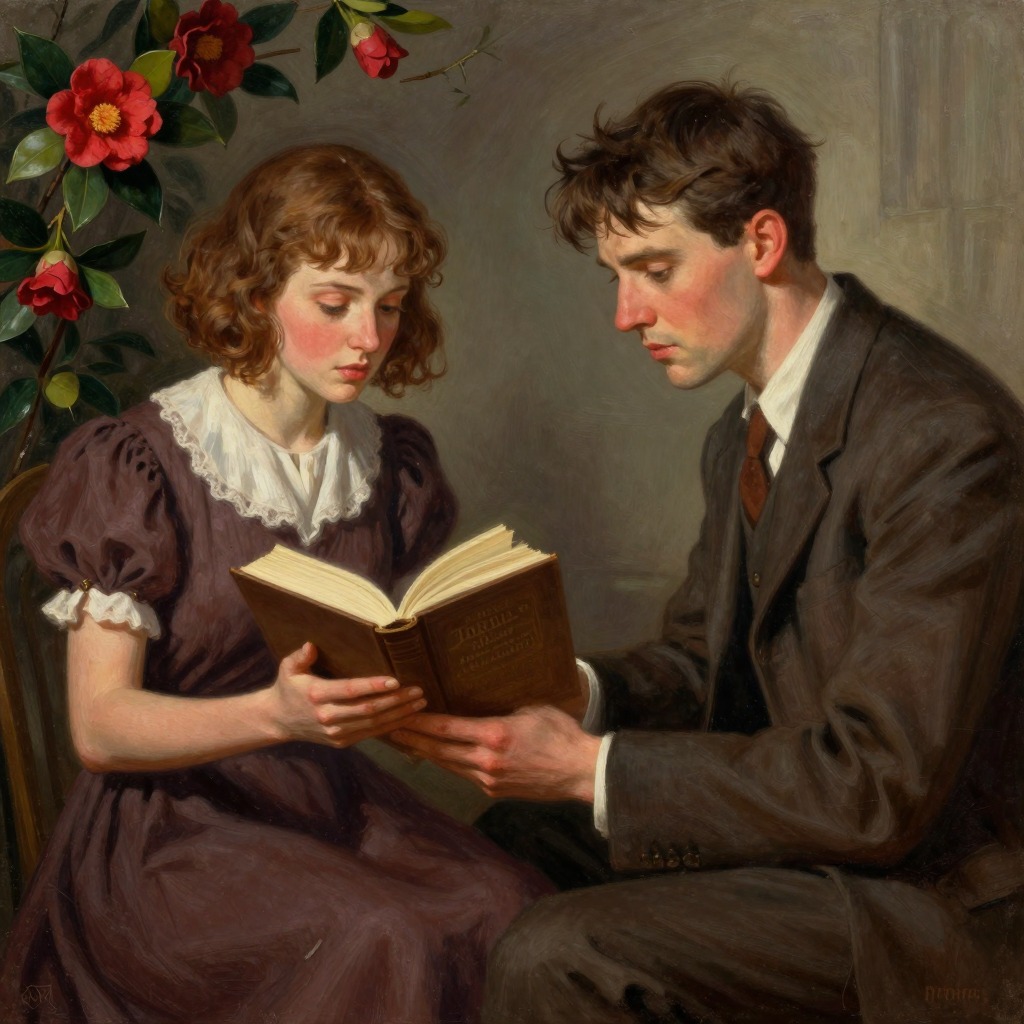
When Jem opens the box, he finds it lined with wads of damp cotton. Nestled inside is a single white, waxy, perfect camellia: a Snow-on-the-Mountain. This is the very variety of camellia that Jem had destroyed months earlier when, in a fit of rage at Mrs. Dubose's insults about Atticus, he had cut the tops off every camellia bush in her yard. The flower is not merely a peace offering; it is a deliberate, ironic, and deeply personal gesture. By giving him a perfect specimen of the flower he had mutilated, Mrs. Dubose signals that she has triumphed over her own weakness—she has died free of her morphine addiction—and that she has, in her own way, forgiven him. The camellia, preserved in its damp cotton nest, is a token of her victory and a testament to the strange, grudging respect she had come to feel for the boy who had read to her through her final, agonizing weeks.
Jem's Reaction and Atticus's Interpretation
Jem's initial reaction is explosive. He screams, "Old hell-devil, old hell-devil!" and flings the box down, unable to comprehend why she would torment him even after death. Atticus immediately rises and stands over him, and Jem buries his face in his father's shirt. Atticus then offers the novel's definitive interpretation of the gift: "I think that was her way of telling you—everything's all right now, Jem, everything's all right. You know, she was a great lady." When Jem protests, recalling the vicious things she had said about Atticus, his father explains that Mrs. Dubose possessed a different kind of courage—the courage to know she was beaten before she began and to begin anyway, to see it through no matter what. "She was the bravest person I ever knew," Atticus concludes. Jem, still processing, picks up the candy box and throws it into the fire, but he retrieves the camellia itself. Later that night, as Scout goes to bed, she sees Jem sitting alone, fingering the wide petals of the flower while Atticus reads the paper. The camellia, saved from the fire, becomes a private relic of a lesson Jem will carry forward.
Narrative Significance
The candy box and its contents serve as the culminating object in a sequence of gifts and exchanges that define the novel's moral landscape. Unlike the anonymous, benevolent gifts from the knot-hole—the soap dolls, the chewing gum, the spelling medal, the pocket watch—or the protective blanket Boo Radley placed around Scout during the fire, Mrs. Dubose's camellia is a gift that demands interpretation. It is not a simple act of kindness; it is a complex, almost confrontational gesture that forces Jem to reconcile his hatred with the reality of her courage. The box itself, a mundane container, becomes a vessel for the novel's central theme: that true courage is not a man with a gun but the quiet, stubborn determination to die beholden to nothing and nobody. The camellia, preserved and cherished, outlasts the box that held it, just as Mrs. Dubose's lesson outlasts her death.