Snow-on-the-Mountain camellia
To Kill a MockingbirdThe Snow-on-the-Mountain camellia is a white, waxy flower that becomes one of the most layered objects in Scout Finch's narrative, moving from a target of Jem's adolescent fury to a final, silent testament from a dying woman about the nature of true courage. It is the specific variety of camellia that Jem Finch destroys in a fit of rage after Mrs. Dubose insults his father, and it is the very same flower she later bequeaths to him, a perfect bloom that carries the weight of her own moral victory over addiction and her peculiar, unyielding form of grace.
Identity and Appearance
The Snow-on-the-Mountain camellia is a white, waxy, perfect flower. When Jem receives it, it is nestled inside a candy box, surrounded by wads of damp cotton to preserve its freshness. Its name, spoken by Mrs. Dubose herself, identifies it as a specific and cherished variety in her garden. The flower is not merely a generic bloom but a named, particular thing that she tended and valued, making its destruction and later its gift all the more pointed.
Jem's Destruction and the Punishment
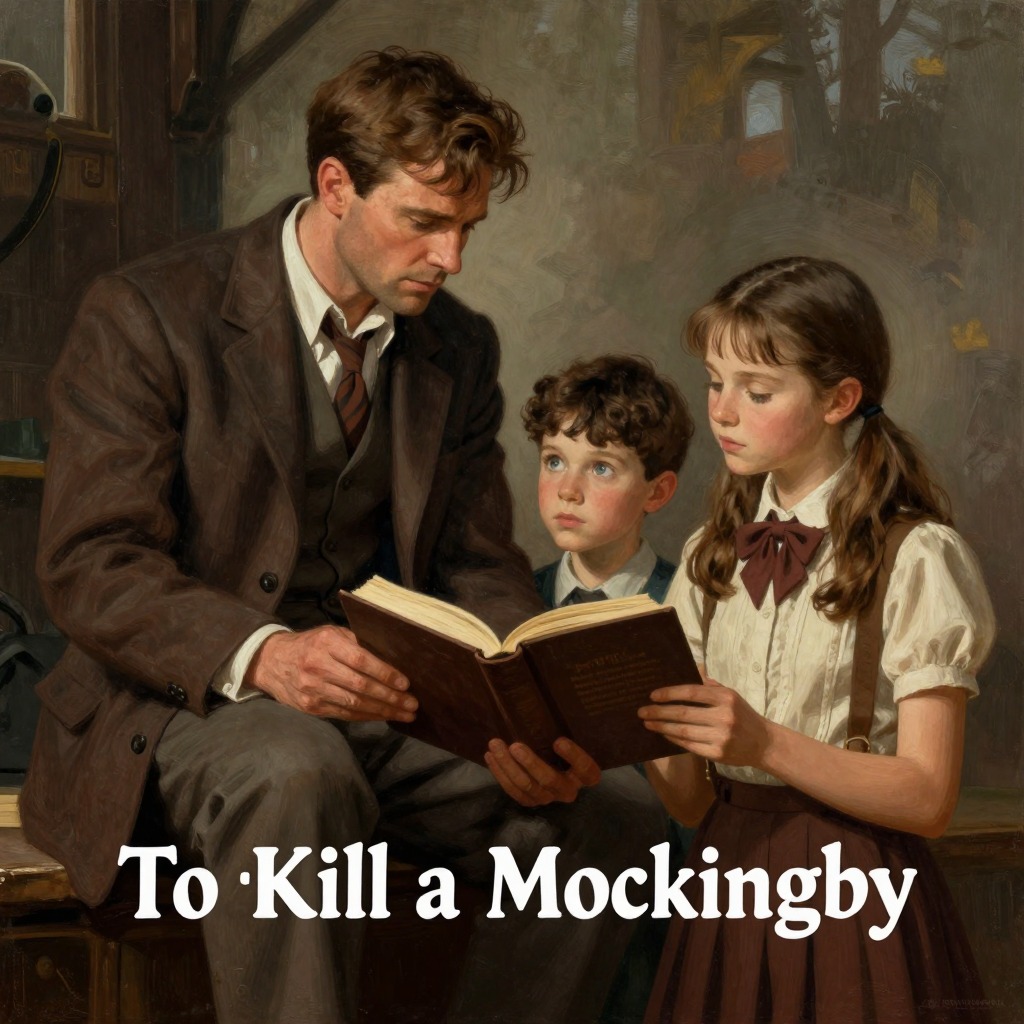
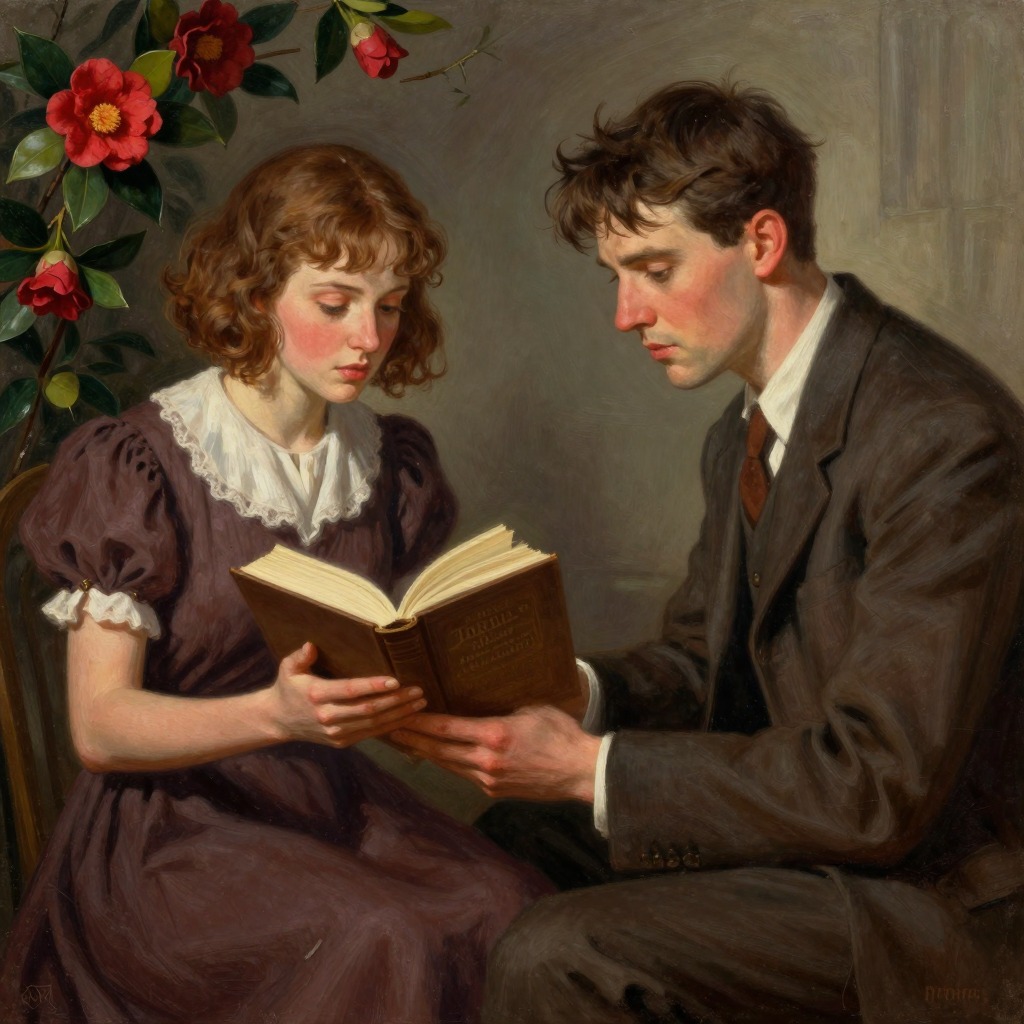
The camellia bushes first appear as the object of Jem's uncontrollable anger. After Mrs. Dubose calls Atticus Finch a man who "lawed for niggers and trash," Jem, forgetting Atticus's injunction to be a gentleman, snatches Scout's new baton and runs into Mrs. Dubose's front yard. He does not stop until he has cut the tops off every camellia bush she owns, leaving the ground littered with green buds and leaves. This act of vandalism is the direct cause of his punishment: he is sentenced to read to Mrs. Dubose aloud for two hours every afternoon after school, including Saturdays, for a full month. The camellias, therefore, are the physical evidence of Jem's transgression and the mechanism that forces him into her sickroom.
The Final Gift and Its Meaning
After Mrs. Dubose dies, Atticus brings home a candy box she had instructed her maid Jessie to prepare. Inside, Jem finds the Snow-on-the-Mountain camellia, a single, perfect bloom. His initial reaction is one of fury and rejection; he screams, "Old hell-devil, old hell-devil!" and flings it down, unable to understand why she would torment him even from the grave. Atticus then explains the deeper meaning: Mrs. Dubose was a morphine addict who had resolved to break her addiction before she died, and Jem's reading sessions, timed by her alarm clock, had helped her endure the withdrawal fits. The camellia, Atticus reveals, was her way of telling Jem that everything was all right. He calls her "the bravest person I ever knew," defining courage not as a man with a gun but as knowing you are licked before you begin and beginning anyway, seeing it through no matter what. The flower, then, is not a taunt but a gift of recognition and a symbol of her own hard-won, 98-pound victory over her body and her dependency.
Jem's Acceptance and Thematic Significance
Jem's relationship with the camellia shifts from violent rejection to a quiet, contemplative acceptance. After Atticus's explanation, Jem picks up the camellia from where he had thrown it. Later that night, as Scout goes off to bed, she sees him fingering the wide petals while Atticus reads the paper. This small, intimate gesture signals that Jem has begun to absorb the lesson of Mrs. Dubose's courage. The camellia, once a symbol of his own shame and her cruelty, becomes a private emblem of a complex moral education. It represents the novel's central theme that true courage is not physical strength or marksmanship but moral endurance in the face of certain defeat, and that grace can come from the most unlikely and cantankerous of sources.