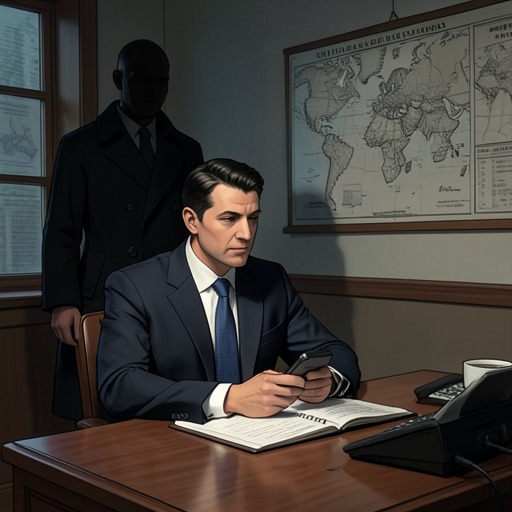
Sometimes you have to pull back to fight back
Tokyo Vice“Sometimes you have to pull back to fight back” is Sekiguchi’s counsel to Jake Adelstein after threats make clear that pursuing the story about Goto’s liver transplant could endanger Jake and his family. The expression does not equate retreat with surrender. It names a difficult strategy: yield ground for now, preserve the purpose of the investigation, and return when knowledge has given the reporter a way to act.
Advice in the Shinjuku Coffee Shop
Sekiguchi gives the advice after walking Jake out of a hotel and taking him by taxi to a coffee shop in Shinjuku. There, over a cigarette Sekiguchi offers and lights, he tells Jake that leaving the newspaper is possible and that doing so would not make him a coward. The danger, he warns, is beyond what Jake can answer with the resources he has. Even the Inagawa-kai and Sumiyoshi-kai seem small by comparison. Goto’s United States liver transplant, Sekiguchi says, must matter greatly to him if he is willing to come after Jake to keep the story from emerging.
But Sekiguchi immediately distinguishes retreat from abandoning the investigation. He taps Jake on the shoulder to make sure he is listening, then insists, “Retreat. But do not give up on that story.” Jake should discover what Goto is afraid people will learn, wait a year or two if necessary, and handle the resulting information carefully. In Sekiguchi’s formulation, reporting is not only Jake’s job but his calling; the knowledge he uncovers may eventually give him a card to play. The advice therefore places patience inside the work rather than outside it: stepping back is meant to preserve the possibility of a more informed return.
Sekiguchi’s Own Experience of Waiting
Sekiguchi grounds his counsel in his own demotion. After someone within the police force set him up, he was knocked from detective work down to traffic duty, where he had to write tickets. He says he wanted to quit every day. The injury was not simply a loss of status: he describes the frustration of being made to do work far from what he was good at because a dishonorable colleague could not advance by other means.
He stayed because his choice affected his family as well as himself. In his account, enduring the demotion meant accepting an unwanted situation day after day until time and changed circumstances let him make his case. He eventually returned to work he considered himself good at. That history makes the expression more than a tactical slogan. Sekiguchi has lived through a retreat imposed on him, and his story makes waiting sound painful rather than easy; its value lies in the chance to act again, not in pretending the setback did not matter.
The Advice Returns Under Threat
The phrase returns later as Jake faces danger again. He knows he has put his family in jeopardy, while Helena remains missing. Recalling Sekiguchi’s smile, which looked to him as if Sekiguchi were pretending to sleep, Jake imagines hearing the old counsel and its question: “Jake, sometimes you have to pull back to fight back. Ask yourself, what time is it now?” The remembered voice offers no automatic answer. Instead, it makes the timing of action the problem Jake must confront.
By then, Jake is sick of being beaten down, and pulling back no longer seems like a viable choice. The expression’s earlier promise of patience collides with his sense that continued retreat may leave him trapped in the same danger. He considers the alternative and decides that fighting back seems better. The advice has not changed its words, but its force depends on the moment: what once meant waiting for a stronger position can later prompt the question of whether waiting has gone on too long.
Reconsidering the Retreat
Jake later revisits his decision to back down in 2005. He wonders whether, had he not retreated, Goto might have been ousted from power and the present danger might never have arisen. At the time, the decision seemed right; in retrospect, he cannot settle whether it was strategic retreat, cowardice, or laziness. The expression thus remains a test rather than a comforting rule. It cannot, by itself, prove that stepping back was wise; the consequences leave Jake repeatedly examining what his choice made possible and what it may have allowed to continue.
His answer is a decision to do anything to bring Goto down. Jake recognizes the imbalance: he has neither nine hundred people working for him nor a couple of million hidden in the bank. What he does have is a few good friends, information, contacts, and raw anger. Before acting, he makes phone calls and sends emails; some people dislike what he tells them, and some are never his friends again. He acknowledges the cost, while recognizing that friendship does not necessarily include agreeing to become a human target. He writes the piece. Across these turns, the expression holds together two competing necessities: survival may require withdrawal, but withdrawal cannot be allowed to become an excuse for giving up the story.