
Treves, the Lift, and the Hidden Murder
Towards ZeroMr. Treves’s death and his tale of an old child murder become an indirect warning that shapes the investigation.
increasing Bearing strength in each event
 decreasing
Bearing strength in each eventdecreasingThe Child with the Bow
A Crime Without a Verdict
A suspicious accident
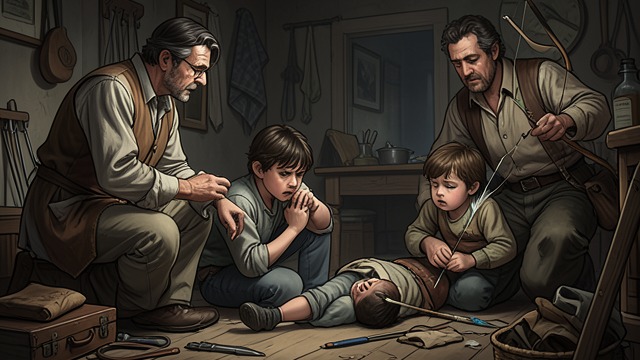
Mr. Treves describes a child killed by an arrow while another child appears distraught. A farmer had previously seen one child practising with a bow, making deliberate intent possible.
No one can prove whether the death was an accident or a planned murder. The child receives the benefit of doubt and later grows into an adult somewhere in the world.
A warning disguised as a story
Treves says he would recognize the child by a physical peculiarity. His tale raises the possibility that a concealed childhood crime may foreshadow a later one.
A Night at Gull’s Point
The Story Is Heard
A room of listeners
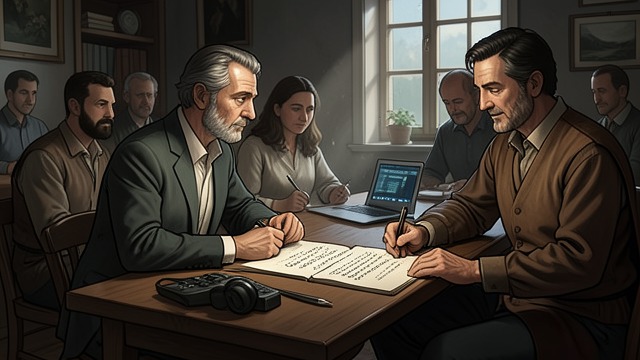
At Gull’s Point, Treves recounts the arrow death to the assembled guests. He stresses the planning and performance that could hide a child’s intention behind apparent grief.
The account unsettles the company, but no one can identify the person to whom it might apply. Its details become important only after a second planned killing.
Recognition withheld
Treves claims that a physical trait would let him recognize the adult former child. The story is ambiguous enough to sound like an unsettling anecdote rather than an accusation.
The Lift Notice
A Manufactured Delay
A false obstruction
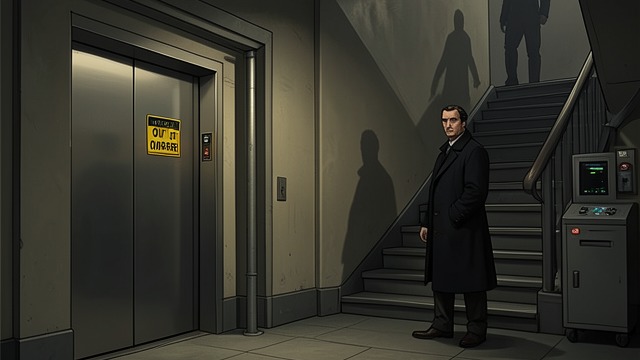
After Treves leaves Gull’s Point, someone places an out-of-order notice on the Balmoral Court lift. Treves, who has a weak heart, believes he must climb the stairs to his rooms.
The notice is removed or concealed by morning, and the hotel staff insist that the lift was working. What seemed a minor inconvenience becomes suspicious after Treves dies.
Silence purchased by death
Treves’s death deprives the household and police of a perceptive witness. Battle later concludes that the notice was a deliberate act designed to prevent him from directing suspicion toward a particular person.
Battle Sees the Pattern
The Bell and the Stairway
A false call for Barrett
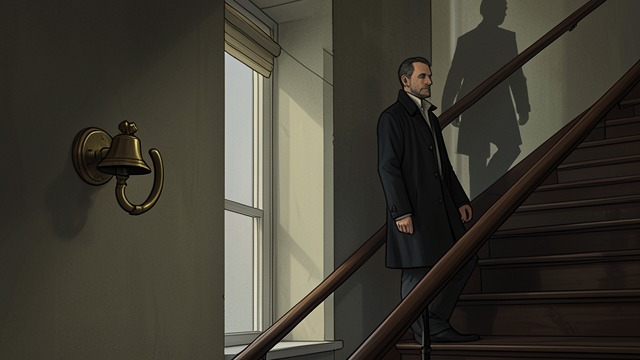
Battle realizes that Lady Tressilian may not have rung her bell at all. The bell-pull’s position and a long window pole suggest that someone could have sounded it from the passage.
That trick would bring Barrett downstairs and make Nevile’s departure appear to occur after Lady Tressilian had summoned help. The murder could then happen later, after the maid had been drugged.
Two crimes connected
The false lift notice and false bell are both acts of careful preparation. Each protects the murderer’s timing, while Treves’s death removes a person who might have understood the larger design.
The Warning Understood
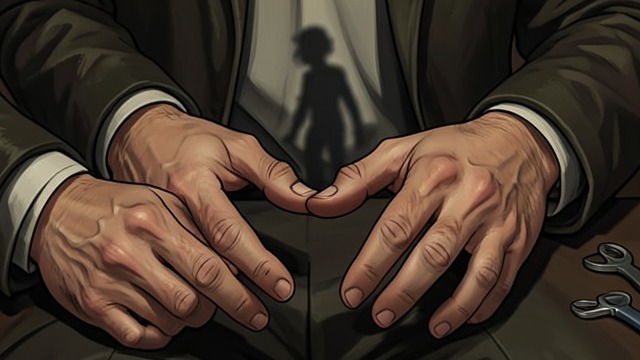
The Childhood Link
A physical peculiarity
Battle identifies Nevile’s unequal little fingers as the trait that could connect him to Treves’s childhood story. The adult murder reflects the old tale’s combination of planning, performance, and concealed intent.
The story does not prove what happened in childhood, but it helps explain the pattern of a mind that treats punishment as a personal right.
A witness lost
Treves had noticed a potentially significant connection but could not deliver it directly to the police. His engineered death becomes another part of Nevile’s attempt to control who might recognize him.
Years before the main events, recalled at dinner in September
September 11, at dinner before the murder
September 11, late at night
September 13, during the reconstruction of the crime
After the final confession
