
The Family Money Question
Towards ZeroInheritance appears to supply several motives, but the terms of the wills reveal that the apparent financial story is misleading.
increasing Bearing strength in each event
 decreasing
Bearing strength in each eventdecreasingA Trust from Sir Matthew

The Inheritance Framework
A future provision
Sir Matthew leaves the bulk of his estate in trust for Lady Tressilian during her lifetime, with the remainder intended for Nevile and his wife.
The wording later proves that “his wife” means Audrey, the person named when the will was made, not Kay, whom Nevile marries afterward.
A hidden misunderstanding
Nevile and Kay do not clearly discuss the distinction. Kay assumes that the money will come to her, a mistaken belief that later makes the inheritance seem like a motive.
The Household’s Assumptions
A Convenient Expectation
Money and obligation
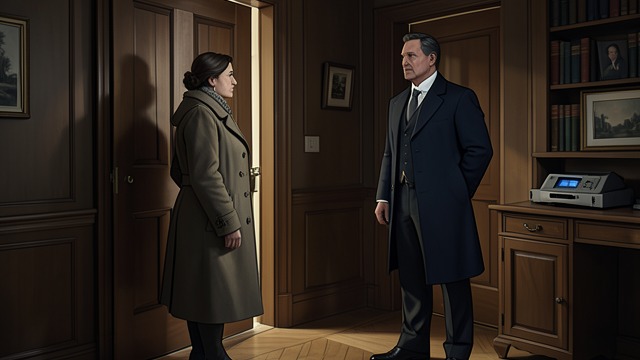
Kay resents visiting Lady Tressilian but says she and Nevile will receive money when the old woman dies. Nevile corrects her only about Lady Tressilian’s control of the trust, not about which wife inherits.
His concern is that visiting is a matter of affection and loyalty, not an effort to secure money. Kay understands the visit as an obligation attached to an expected benefit.
Motives multiply
The unexamined assumption spreads through the household. It gives investigators and suspects a ready-made financial explanation for the murder.
The Will Read Correctly
The Beneficiary Identified
A name in the document
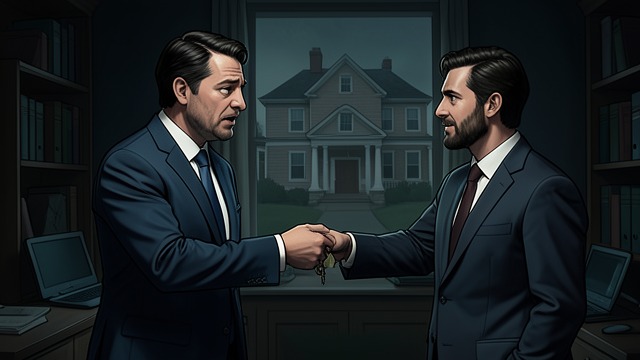
Mr. Trelawny confirms that Sir Matthew’s will names Audrey Elizabeth Strange. The divorce does not change the bequest, and Audrey remains entitled to her share.
Nevile is pleased that the money will help Audrey, who has refused his separate allowance. His reaction weakens the idea that he killed for his own financial need.
Kay’s false expectation
Kay admits that she thought the inheritance would be shared with her. The discrepancy supplies a possible emotional grievance but not proof that she committed murder.
Lady Tressilian’s Own Bequests

Smaller Legacies
Additional beneficiaries
Lady Tressilian’s own will leaves money to Barrett and Hurstall and the remainder to Mary Aldin. Each beneficiary could, in theory, gain from her death.
Battle refuses to let the larger family inheritance monopolize his attention. He considers whether even modest sums could matter greatly to someone in need.
Opportunity is not motive
No beneficiary’s possible gain establishes guilt. The inquiry has to consider access, knowledge, and the unusual construction of the murder alongside the financial details.
Money as a Distraction

A Motive That Does Not Explain the Crime
Many possible heirs
The wills provide money-related possibilities for Nevile, Audrey, Mary, Barrett, and Hurstall; Kay also believes she stands to inherit. The breadth of the list makes it difficult to treat inheritance alone as an answer.
Battle concludes that the central motive is hatred, not financial gain. The murdered woman is a means to a different intended death.
The financial trail loses force
Nevile’s healthy finances and his willingness to let Audrey benefit undermine the simple greed theory. The true design targets Audrey’s life and the law’s power to punish her.
Before Sir Matthew’s death
April, when Kay and Nevile discuss Gull’s Point
September 13, during the police investigation
September 13, after the solicitor arrives
Near the end of the investigation
