
Appearances, Performance, and Truth
Towards ZeroThe novel repeatedly shows how polished conduct, false confessions, and staged evidence make outward appearance a poor guide to inner reality.
increasing Bearing strength in each event
 decreasing
Bearing strength in each eventdecreasingThe Lawyer’s Opening Image
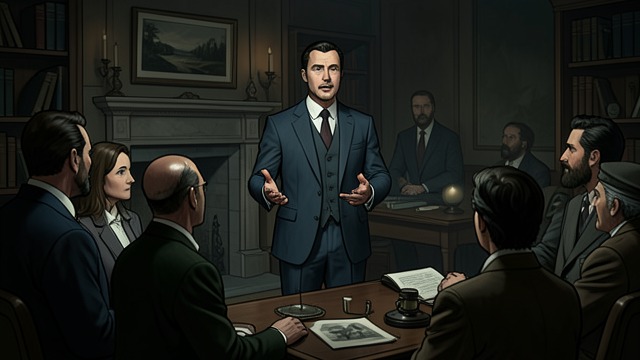
A Story Begins Elsewhere
Beyond the visible crime
Mr. Treves tells his legal companions that detective stories begin in the wrong place when they start with the murder. A crime, he argues, is the result of earlier lives and choices converging.
His way of seeing people emphasizes hidden causes rather than courtroom roles. Witnesses and suspects are more than the functions assigned to them by a case.
A theme announced
The novel adopts Treves’s approach by introducing the cast through separate histories before the central death. What looks like coincidence may be part of a pattern that only later becomes legible.
Nevile’s Good-Sportsman Role

Manners as a Performance
A reassuring image
Nevile is known as a courteous sportsman who loses gracefully and rarely shows temper. His reputation makes it difficult for acquaintances to imagine him committing a brutal murder.
Battle later interprets this control as performance rather than proof of kindness. Nevile’s identity depends on being seen as the man who never loses his composure.
The concealed person
The contrast between reputation and private hatred shows how a convincing public role can conceal violence. His apparent normality is part of what lets the plan develop unnoticed.
Audrey’s Composure Misread
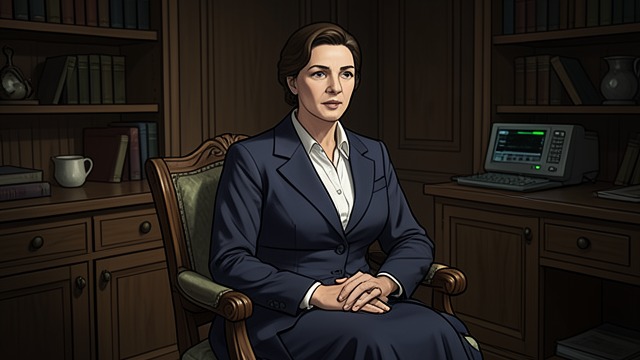
Silence as False Evidence
A restrained response
Audrey answers questions calmly and later receives her arrest with relief. Others treat her lack of protest as evidence that she is guilty or emotionally unnatural.
Battle recognizes that her composure hides fear, not indifference. The same behaviour that appears suspicious is a survival response to prolonged psychological pressure.
Reading beneath the surface
The novel asks investigators and readers to distinguish performance from inner state. Audrey’s silence has meaning, but not the meaning that the visible scene initially suggests.
Clues as Theatre
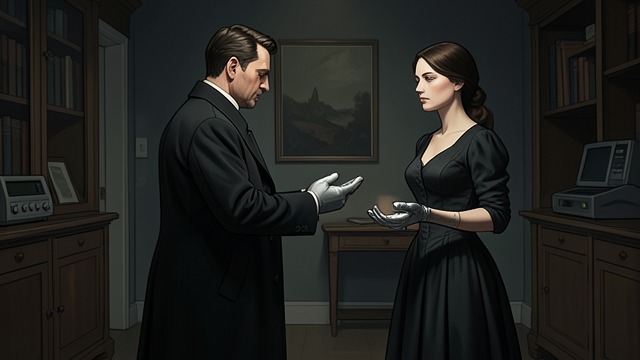
Evidence Arranged for an Audience
Two accusations staged
The club points toward Nevile, while the glove, modified racket, and powder point toward Audrey. The trails appear to contradict one another, but each is designed to shape how the police interpret the next discovery.
The apparent mistakes are part of a performance meant to make the investigators feel clever for seeing through the first frame and confident in the second.
The audience must reconsider
Battle understands that physical clues can be authentic objects placed to tell a false story. The crime scene is a stage on which the murderer directs attention.
The Final Performance Breaks
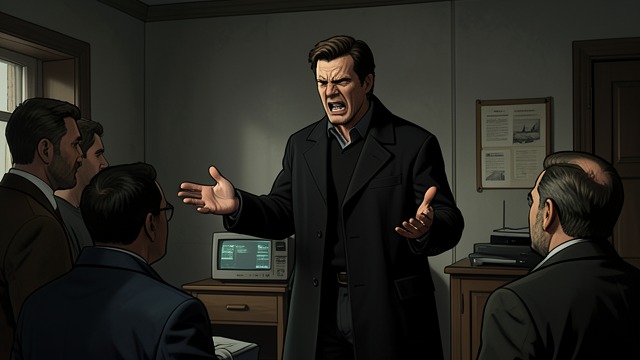
The Actor Confesses
The mask fails
Battle taunts Nevile’s vanity and describes the plan as childish. Nevile’s controlled sportsman image collapses into a furious declaration of hatred.
His confession reveals a motive hidden beneath the socially acceptable story that he had left Audrey. The public version of his past was another performance.
Truth through contradiction
The case becomes clear not because appearances were reliable, but because Battle tested them until they failed. The novel’s truth emerges from comparing actions, motives, and physical possibility.
November 19, at the beginning of the novel
Before the murder, during his public life as an athlete
September 13, after Battle presents the accusation
September 13, during the changing accusations
Near the ending, aboard the launch
