
The Two False Trails
Towards ZeroNevile’s scheme depends on creating one suspicious story, then a second more persuasive one after the first is exposed.
increasing Bearing strength in each event
 decreasing
Bearing strength in each eventdecreasingA Convenient First Suspect
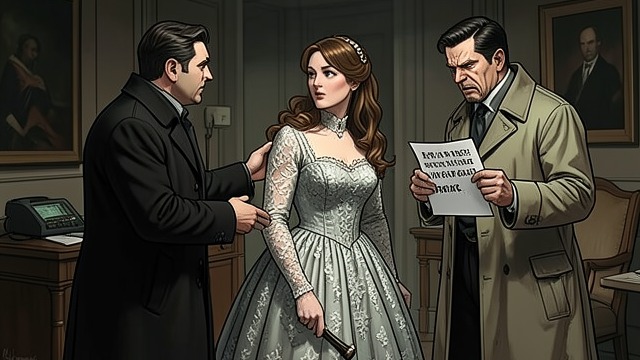
The First Story Prepared
A real argument
Nevile’s quarrel with Lady Tressilian is genuine, and Kay’s threat against him and Audrey is also real. These events give investigators believable motives before anyone knows the murder has occurred.
A truthful fragment can be more persuasive than a wholly invented account. The murderer relies on observers treating the argument as explanation.
Evidence placed in view
The apparent club and Nevile’s prints make the first accusation seem obvious. The trail is designed to be seen and then partially dismissed.
The First Frame Collapses
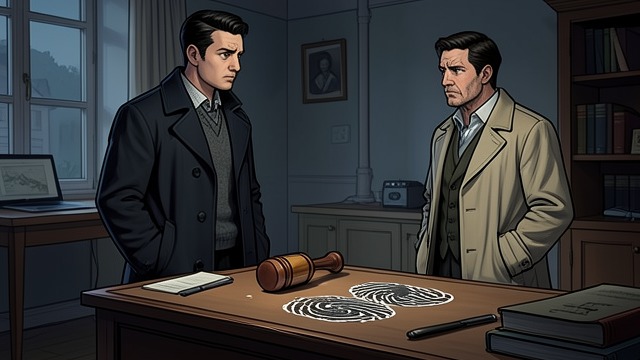
Suspicion Becomes Reassurance
A trail that looks too crude
Battle doubts that the club was the real weapon and sees the mixture of impulsive and premeditated evidence as contradictory. Investigators begin to think the obvious case against Nevile may be a frame.
The apparent exposure of one false trail makes the police feel more discerning. That confidence is exactly what the planner needs for the next stage.
A trap in the reversal
The murderer expects the investigators to treat the first frame as proof that they have already seen through his methods. Their skepticism becomes part of the design.
A Second Suspect Prepared
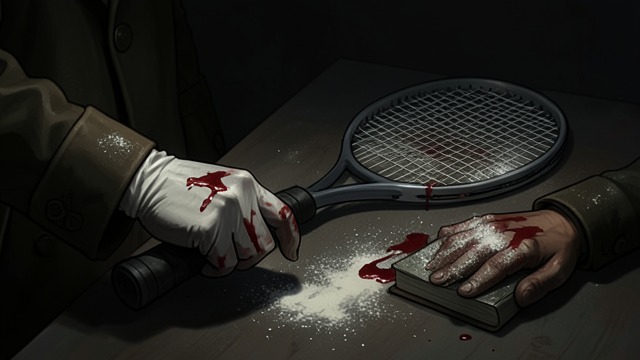
The More Convincing Trail
A coherent accusation
Blood on a glove, a modified racket, Audrey’s left-handedness, and powder on Nevile’s coat form a second narrative. The clues seem to explain the earlier uncertainty and supply a new culprit.
Audrey’s fear-driven silence makes the accusation feel complete. The second story is emotionally powerful because it appears to account for both the evidence and the characters’ strained relationships.
The frame deepens
The clues are not independent confirmation; they are parts of the same construction. Their coherence reflects the planner’s control, not necessarily Audrey’s guilt.
The Motive That Does Not Fit
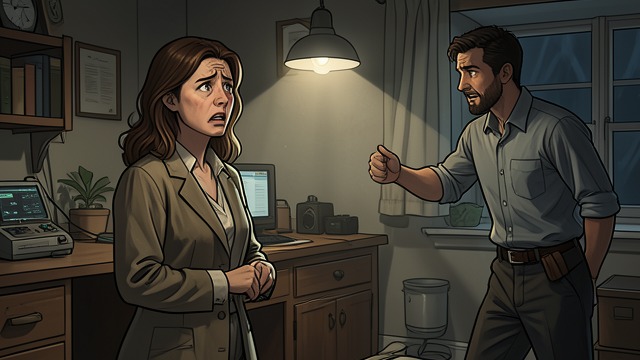
A False Explanation Examined
A missing motive
Thomas reveals that Audrey left Nevile for Adrian, reversing the public story. The proposed revenge motive against Nevile now appears to have no foundation.
Battle cannot dismiss the physical clues merely because Audrey’s history does not fit his first theory. He must ask who benefits from making her look guilty.
Hatred rather than money
The inheritance also fails to explain the whole design. The crime’s intended result is not simply financial gain but Audrey’s execution.
The Planner Exposed
Two Trails Become One Plan
The experiment defeats the story
Battle tests the possibility of swimming and eliminates Latimer. He confronts Nevile with the route that joins the planted clues to the actual murder.
Nevile’s confession reveals that both trails were designed to create and then exploit suspicion. He intended Audrey to appear guilty even after he himself had been cleared.
A final reversal
The apparent victim of the first frame is the architect of the second. The novel’s most elaborate deception depends on making investigators believe they have already recognized deception.
September 12, after the quarrel with Lady Tressilian
September 13, after Battle questions the weapon
September 13, after the evidence against Audrey is found
September 13, after Thomas corrects the marriage history
Near the ending, aboard the launch
