
Fear, Trauma, and Recovery
Towards ZeroAudrey’s recovery depends on recognizing that her long-standing fear was a response to a real threat, not proof that she was irrational.
increasing Bearing strength in each event
 decreasing
Bearing strength in each eventdecreasingFear Without a Name

Doubting Her Own Mind
An invisible threat
Audrey senses something disturbing beneath Nevile’s pleasant manners but cannot explain what she perceives. The lack of visible violence makes her question whether she is unbalanced.
Fear without a clear cause isolates her from people who might help. She is left trying to interpret fragments rather than a plainly named danger.
The cost of concealment
The marriage’s public appearance conflicts with Audrey’s private experience. That contradiction will later make her composed behaviour easy to misread.
Adrian’s Promise
A Possible Escape
Love and departure
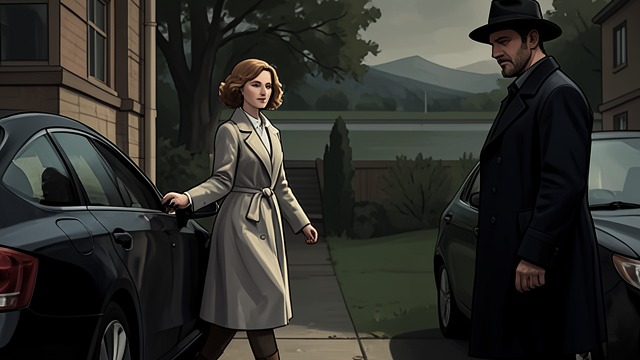
Adrian Royde tells Audrey that he loves her, and she imagines leaving her fearful marriage for a different life. She goes to meet him, believing that escape may finally be possible.
Adrian is killed in a car accident before their future begins. Audrey returns to the Rectory overwhelmed by grief and still unsure whether Nevile may somehow be responsible.
Relief mixed with suspicion
Nevile behaves kindly and arranges a divorce without exposing her relationship with Adrian. His apparent generosity makes Audrey grateful even as her fear of him remains.
Fear Renewed at Gull’s Point

The Old Terror Returns
Gratitude becomes a trap
Audrey feels unable to refuse Nevile’s proposal that she visit Gull’s Point with Kay. The invitation is framed as friendly, but it returns her to the person she has feared.
She senses that something terrible is approaching, yet cannot plan a response. Her inward paralysis is mistaken by others for coolness or indifference.
Waiting for an unnamed event
The household’s tension worsens her inability to act. Audrey experiences the gathering almost like a nightmare in which she knows danger is coming but cannot move.
The False Relief of Arrest

Safety in Custody
The feared outcome arrives
When Battle accuses Audrey, she says that it is almost a relief and that the ordeal is over. Her response reflects exhaustion from long fear rather than acceptance of guilt.
Being taken away by the police feels safer than remaining in Nevile’s reach. The apparent confession is therefore a sign of terror’s power, not proof of the crime.
A dangerous misunderstanding
Others see guilt in the very response that Battle recognizes as the familiar surrender of an innocent person under pressure. His earlier experience prevents the mistake from becoming final.
The Story Told at Last

Recovery Through Recognition
Naming the source
Audrey tells Battle she feared Nevile soon after their marriage and thought she might be going mad. Battle confirms that her fear was not an imagined defect in her character.
She speaks at length for the first time in years, connecting the invitation, the murder, and her earlier dread. Being believed begins to restore her confidence in her own experience.
The work of healing
Battle encourages her to recognize that the danger has passed and that she must learn not to remain afraid. The ending offers hope rather than instant recovery, acknowledging how deeply prolonged fear can affect a life.
During the years of Audrey’s first marriage
Before Adrian’s fatal car accident
September, after Audrey accepts Nevile’s invitation
September 13, as Battle arrests Audrey
After Nevile’s confession, on the terrace
