
The Lawful and Unlawful Alibis
Towards ZeroThree forms of apparent proof—a bell call, a fabricated eyewitness claim, and a confession—show how the truth is established and distorted.
increasing Bearing strength in each event
 decreasing
Bearing strength in each eventdecreasingThe Bell’s Honest Witness
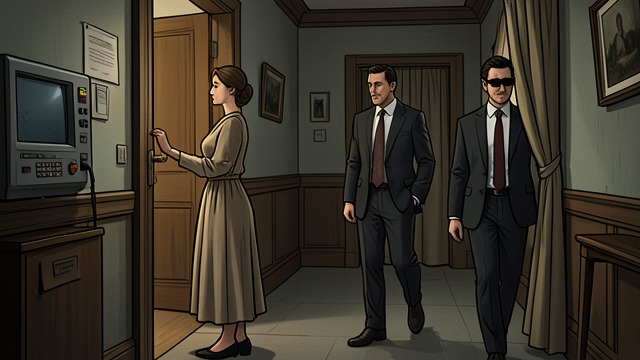
Barrett Reports What She Saw
A truthful observation
Barrett hears the bell, comes downstairs, and sees Nevile leaving Gull’s Point. She enters Lady Tressilian’s room and finds her alive, then returns to sleep.
Nothing in Barrett’s account is knowingly false. The timing and the signal, however, have been arranged to make her observation support an alibi.
Context changes meaning
The case shows that truthful evidence can mislead when the event producing it has been manipulated. A witness can accurately describe a scene without understanding its cause.
The False Eyewitness
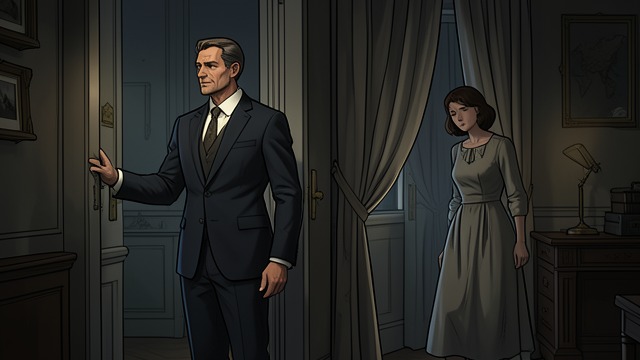
A Useful Lie
A claim not directly witnessed
MacWhirter tells Battle that he saw a man climb a rope from Gull’s Point. In reality, he has inferred the route from the stained suit and the other details.
He gives the account because a deduction may not persuade the police in time to save Audrey. His false certainty is intended to create a testable lead.
Ethical danger
The lie risks turning an investigation into a prosecution based on fabricated testimony. Its usefulness does not remove the moral and legal danger of what MacWhirter has done.
A Confession Under Pressure

Battle Tests a Story
The suspect provoked
Battle tells the assembled party that the crime was planned to kill Audrey. He then tests Latimer’s supposed inability to swim and directs attention to Nevile.
The experiment and confrontation put Nevile under psychological pressure. Battle wants a response that will expose the plan’s author, not simply a convenient admission.
The truth comes out
Nevile confesses in anger, revealing his desire for Audrey’s death. The admission supplies a decisive account of motive and intent that the planted objects could not provide alone.
Battle’s Earlier False Confession

Sylvia Admits to Theft
A child yields to pressure
Miss Amphrey’s psychological test and attention make Sylvia believe that everyone sees her as guilty. She confesses to thefts she did not commit because admission brings relief from suspicion.
The schoolmistress reads confession as proof of truth, but Battle recognizes that Sylvia is unusually likely to accept blame.
A lesson about evidence
Police investigation finds the real thief through material traces. Battle’s experience teaches him not to equate spoken guilt with actual guilt.
Truth Beyond the Statement
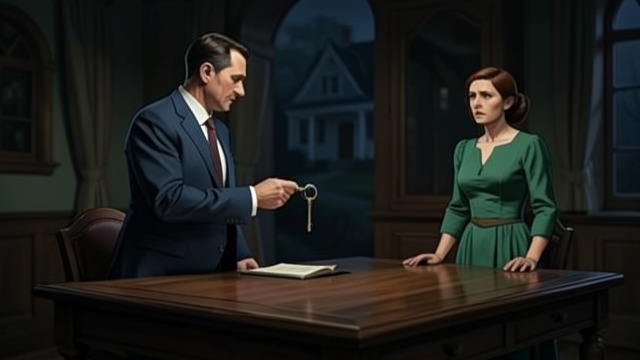
Evidence and Speech Reconciled
Different meanings of admission
Nevile’s confession matches the physical reconstruction and reveals the motive behind it. Audrey’s apparent acceptance of guilt, by contrast, arose from fear and did not match the facts.
MacWhirter’s false claim helps expose the truth, even though it would be dangerous if treated as literal testimony.
A qualified faith in justice
The novel offers neither unquestioning trust in evidence nor permission to disregard it. Truth emerges through corroboration, context, and the willingness to revise an initial conclusion.
September 12, shortly after 10:20 p.m.
September 13, when MacWhirter speaks to Battle
Near the ending, aboard the launch
March, at Meadway School
After Nevile’s confession
