
The Criminality of Trying to Die
Towards ZeroMacWhirter’s resentment at being rescued contrasts with the nurse’s belief that an unplanned future can give survival meaning.
increasing Bearing strength in each event
 decreasing
Bearing strength in each eventdecreasingThe Cliff and the Tree

An Attempt Interrupted
A deliberate leap
MacWhirter jumps from Stark Head intending to end a life he considers unproductive. A tree growing from the cliff catches him, turning the planned death into a broken shoulder and rescue.
Coastguards bring him to hospital, where he is treated as a patient and risks facing a police court for attempted suicide.
Chance over intention
The tree’s accidental presence frustrates his decision. MacWhirter experiences the survival as absurd interference rather than a meaningful second chance.
The Nurse’s Moral Claim
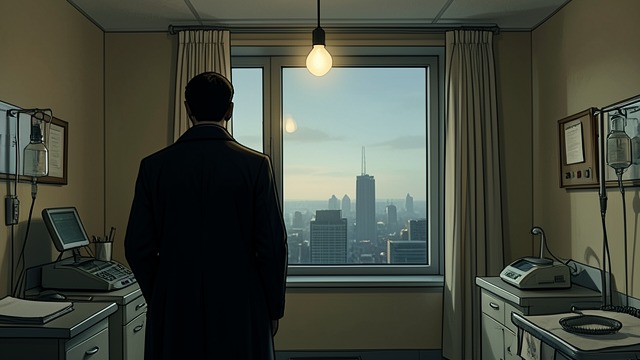
A Right Challenged
MacWhirter claims ownership
He insists that his life is his own and that nobody else has the right to prevent him from ending it. His argument is sharpened by the accumulated losses that make continued life seem unreasonable.
The nurse answers that suicide is wrong but struggles to explain the belief beyond faith and concern for others.
An uncertain possibility
She suggests that God may need him or that he may matter simply by being in the right place. MacWhirter does not accept the explanation, but it remains one possible response to his despair.
Living Without Conviction
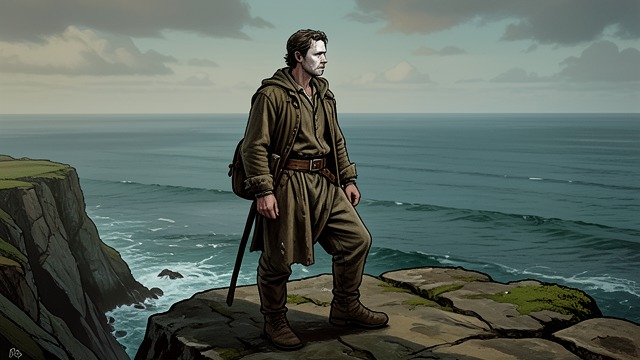
A Life Continued
No sudden gratitude
MacWhirter takes an interesting job and no longer feels an immediate wish to die, but he does not celebrate his rescue. He expects to proceed through ordinary days in a methodical way.
He can recognize that despair has passed without deciding that life is wonderful. Survival remains an unfinished question rather than a moral victory.
A return to the scene
He chooses to revisit Stark Head, testing the difference between his earlier state and his present one. The choice carries him toward the encounter that will give survival a more concrete meaning.
An Intervention Returned

The Rescued Becomes Rescuer
MacWhirter recognizes despair
When Audrey runs toward the cliff, MacWhirter catches her and speaks from the memory of his own attempt. His intervention repeats, in a new form, the interruption that kept him alive.
Audrey is not simply trying to die; she is afraid of being hanged. MacWhirter accepts that her crisis has its own meaning and promises help.
The nurse’s idea takes shape
He is at the right place at the right time, as the nurse imagined. His survival has made him capable of recognizing another person’s danger and acting decisively.
Life Given a New Meaning
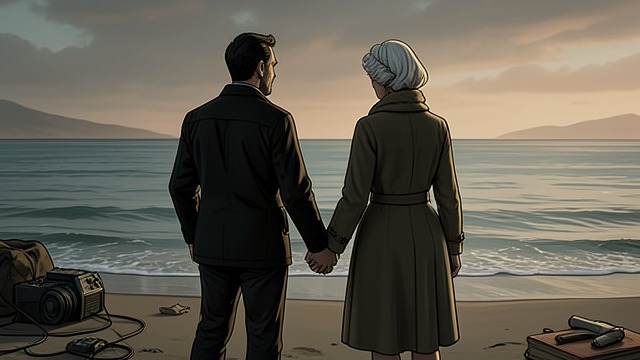
A Future Freely Chosen
No simple moral lesson
MacWhirter’s life does not become meaningful merely because he was rescued. Meaning develops through work, choice, and his connection with Audrey.
Audrey chooses him after the immediate danger has ended, and he agrees to build a future with her. Their decision makes survival relational without making either person responsible for saving the other forever.
The question remains human
The novel does not reduce suicide to a lecture or deny suffering. It suggests that the value of a life may be invisible to the person living it until an unforeseen connection changes what seems possible.
January, at Stark Head
January, while MacWhirter recovers in hospital
August, after his employment improves
September, at the cliffside rescue of Audrey
After Audrey chooses to leave with MacWhirter
