
The Meaning of the Inquest
Towards ZeroLegal process offers a framework for truth but repeatedly confronts the limits of evidence, witness memory, and certainty.
increasing Bearing strength in each event
 decreasing
Bearing strength in each eventdecreasingThe Childhood Inquest
An Accident Recorded
Public facts, private doubt
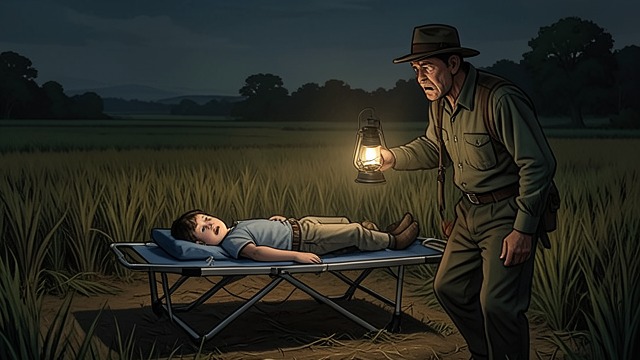
An inquest records the death of a child struck by an arrow and hears that the surviving child was distressed. The farmer’s earlier observation of practice could suggest intent, but does not settle it.
The official account treats the event as an accident, while Treves privately suspects a deliberate act.
A verdict’s limits
The process can establish what happened physically without establishing what the child intended. The unresolved distinction shadows the later murder inquiry.
The Hotel Death Called Natural
A Plausible Medical Explanation
Weak heart and exertion
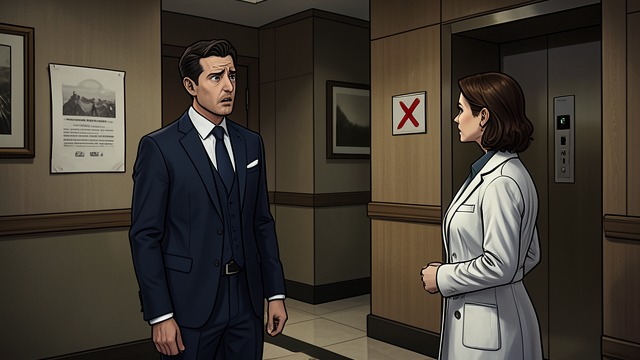
Dr. Lazenby believes Treves died from a sudden heart failure after climbing several flights of stairs. Treves had a known weak heart, and the hotel initially appears to have offered ordinary care.
The out-of-order lift notice supplies a straightforward explanation for the exertion.
Evidence reopens the conclusion
The lift was functioning, and the notice had been stored unused. A familiar medical explanation becomes suspect once the false notice is discovered.
A Case Against the Wrong Person
Evidence Without Explanation
Strong apparent proof
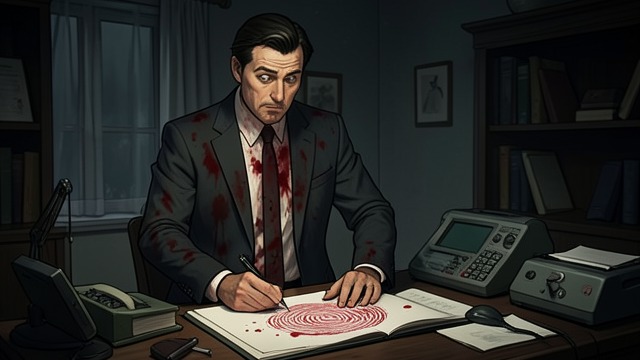
Nevile’s fingerprints, bloodstained suit, quarrel, and inheritance seem sufficient to establish his guilt. Investigators could pursue a warrant even though they do not understand every detail.
The strength of the case creates pressure to stop asking questions.
The need to test assumptions
Battle asks whether the club was used, whether Nevile needed the money, and how he could have committed the act. The investigation must distinguish a persuasive story from a verified sequence.
A Case Against the Wrong Woman
Evidence Without Motive
A second strong appearance
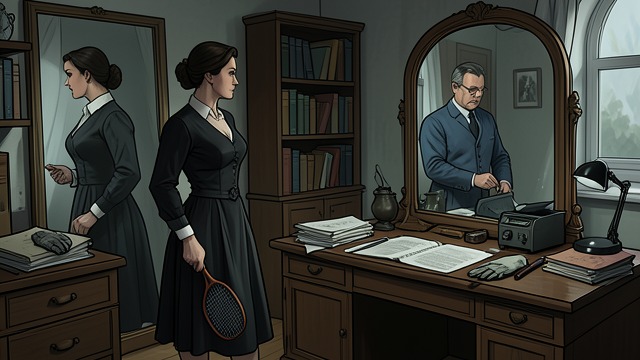
The glove, modified racket, hair, powder, and left-handed angle appear to connect Audrey to the murder. Her apparent acceptance of arrest adds emotional force to the evidence.
Thomas’s disclosure undermines the proposed motive, but legal responsibility cannot be determined by motive alone.
Uncertainty preserved
Battle continues to search because facts against Audrey may have been staged. The procedure is not a simple choice between evidence and intuition; it requires testing how the evidence was produced.
Justice Requires Revision
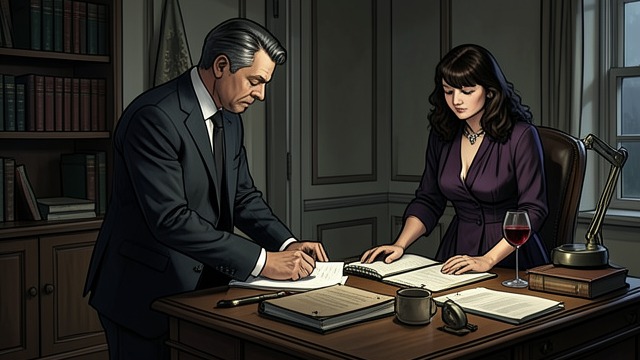
The Inquiry Corrects Itself
The truth is reconstructed
MacWhirter’s information, Battle’s experiment, and Nevile’s confession establish the adult crime. The earlier accusations against both Nevile and Audrey are revealed as stages in a plan.
The police must revise their conclusions as new facts alter the meaning of old ones.
A cautious resolution
The novel does not make legal investigation infallible. It presents justice as a process that depends on doubt, correction, and the willingness to resist a satisfying but incomplete answer.
Years before, after the arrow killing
September 12, after Mr. Treves climbs the stairs
September 13, before Battle’s reconstruction
September 13, after the second set of clues appears
After Nevile confesses
