
The Strains of a False Confession
Towards ZeroAudrey’s apparent confession and Sylvia Battle’s earlier false admission reveal how fear and pressure can make innocence look like guilt.
increasing Bearing strength in each event
 decreasing
Bearing strength in each eventdecreasingA Schoolroom Accusation
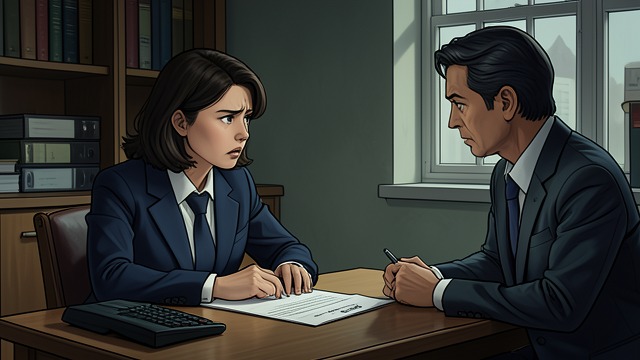
Suspicion at Meadway
A psychological test
Miss Amphrey suspects Sylvia Battle of stealing after reading guilt into her expression and using a word-association test. Sylvia finally admits to thefts she did not commit.
The headmistress thinks she has uncovered the child’s inner truth, but has instead used authority to make her yield.
Battle seeks proof
Superintendent Battle recognizes his daughter’s unusual tendency to accept blame under pressure. He asks for fingerprints and material evidence, which identify another pupil as the thief.
The First Apparent Case
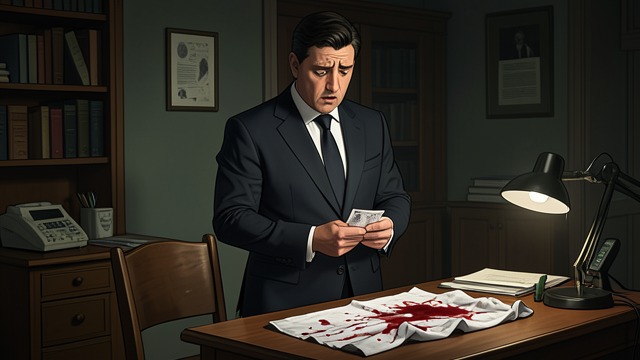
Nevile’s Bewilderment
Evidence overwhelms explanation
Battle and Leach tell Nevile that his fingerprints and blood appear to connect him to the murder. He is horrified and cannot explain facts he believes impossible.
His confusion is genuine, but it does not immediately clear him. He is asked to prove a negative against evidence deliberately arranged to look conclusive.
A trap made visible
Nevile says he feels caught in a trap. Battle recognizes the phrase as a clue to the larger design, in which the appearance of guilt is more important than actual guilt.
Audrey’s Apparent Acceptance
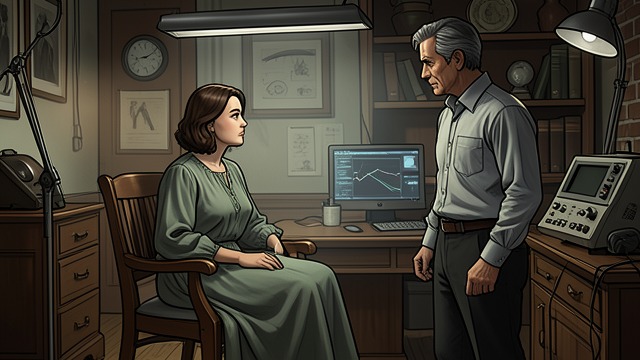
A Second False Confession
Exhaustion mistaken for guilt
When Battle arrests Audrey, she says the accusation is almost a relief and that the ordeal is over. The household reads her composed surrender as confirmation.
Audrey is not confessing because she killed Lady Tressilian. She is relieved that the feared event has finally arrived and that she is being removed from Nevile’s reach.
Battle remembers Sylvia
His experience with Sylvia keeps Battle from relying on behaviour alone. A person may admit guilt because fear has made resistance feel impossible.
The Evidence Behind the Behaviour
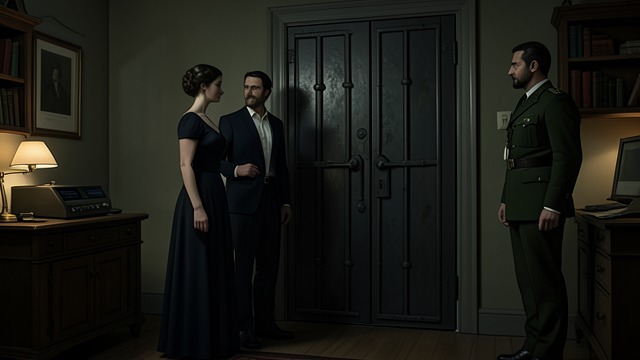
Motive Falls Away
A history revised
Thomas reveals that Audrey left Nevile for Adrian, rather than being abandoned by Nevile. The facts reverse the household’s accepted account of the marriage.
The revelation makes revenge against Nevile an unlikely motive for Audrey. It does not erase the physical evidence, but it forces Battle to examine the accusation anew.
Confession is not proof
Battle’s task is to respect evidence without mistaking appearance for certainty. Audrey’s words, like Sylvia’s, must be judged alongside what happened and why.
The Real Confession
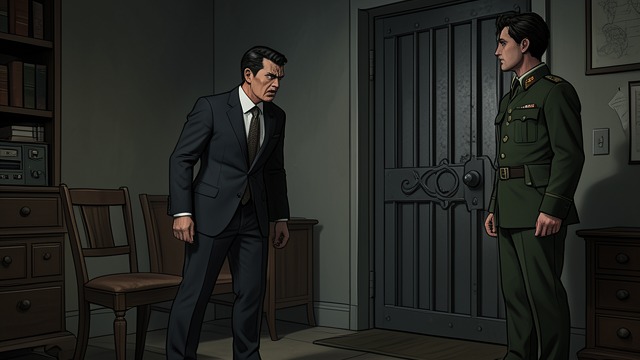
A Guilty Man Speaks
Pressure exposes motive
Battle’s physical test eliminates Latimer and turns suspicion toward Nevile. The accusation reaches the pride he has tried to protect through a sportsman’s persona.
Nevile responds with a furious confession, admitting his intention to have Audrey executed. His words finally connect the clues to the person who created them.
Behaviour set in context
Unlike Audrey’s resignation, Nevile’s admission follows the collapse of his plan and expresses its purpose. The novel distinguishes a confession that reveals guilt from an appearance of confession produced by terror.
March, before the summer gatherings
September 13, during questioning of Nevile
September 13, when Battle serves the warrant
September 13, after Thomas reveals Audrey’s past
Near the ending, aboard the launch
