
Death as Daily Labor
Train DreamsThis flow traces the book’s recurring transformation of death from shock into work, memory, and imperfect ceremony.
increasing Bearing strength in each event
 decreasing
Bearing strength in each eventdecreasingDead Hank
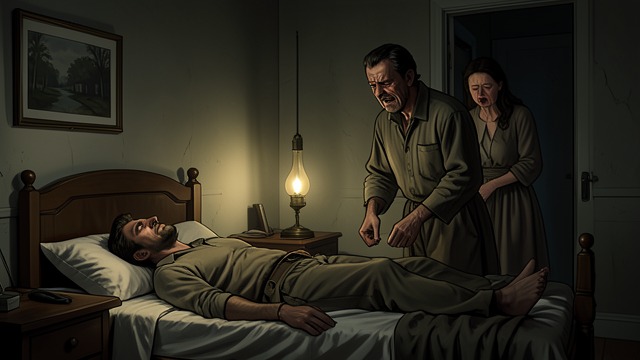
Dead Hank
Unprepared Witness
Grainier watches Hank Pinkham die without warning. The family’s disbelief resembles the stunned reactions that surround other deaths in the book.
No explanation makes the death acceptable. Practical questions emerge before emotional understanding can settle.
Transport Duty
Grainier moves the body by wagon to the cemetery. Death becomes something the living must physically carry.
Corpse Road
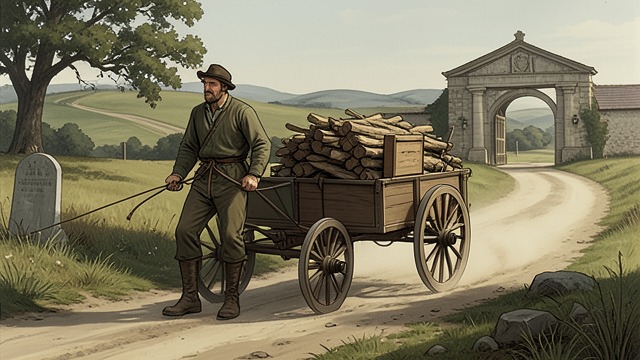
Corpse Road
Undertaker’s Exchange
Helmer pays Grainier to deliver a coffin and haul lumber. The transaction places mourning inside a system of rates, mileage, and profit.
Grainier negotiates because economic survival does not pause for death. The dead body and the freight load become adjacent forms of cargo.
Frontier Necessity
The arrangement is not presented as cruelty alone. In remote communities, care depends on whoever has a wagon and is willing to drive.
Unmarked Grave
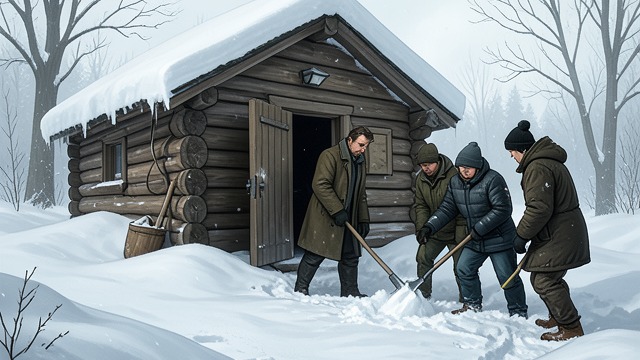
Unmarked Grave
Delayed Discovery
Grainier dies in his cabin and remains there through fall and winter. Hikers, rather than friends or relatives, discover him in spring.
The delay fulfills the logic of a life spent outside ordinary social visibility. His death is neither witnessed nor ceremonially anticipated.
Improvised Burial
A doctor and two hikers dig a grave in the yard with a found shovel. The modest burial echoes the book’s insistence that dignity can arise from practical action.
April 1925
late 1925
spring 1969
