
Seasonal Exile
Train DreamsThis flow traces Grainier’s movement between Washington logging camps, Bonners Ferry winters, and the Moyea cabin.
increasing Bearing strength in each event
 decreasing
Bearing strength in each eventdecreasingSummer Away
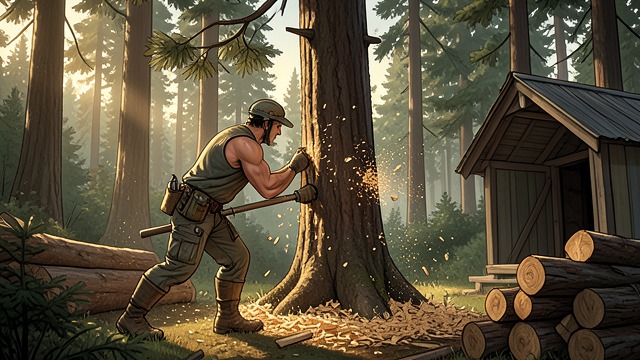
Summer Away
Logging Season
Grainier spends summers in Washington with Simpson Company and returns toward Idaho when work ends. The schedule gives his life a recurring rhythm.
Distance from the cabin protects him from immediate grief while also keeping him apart from the place he values. Work and home exist as separate emotional climates.
Seasonal Economy
His wages must support the entire year. The arrangement is sustainable only while his body can endure it.
Winter Boarding
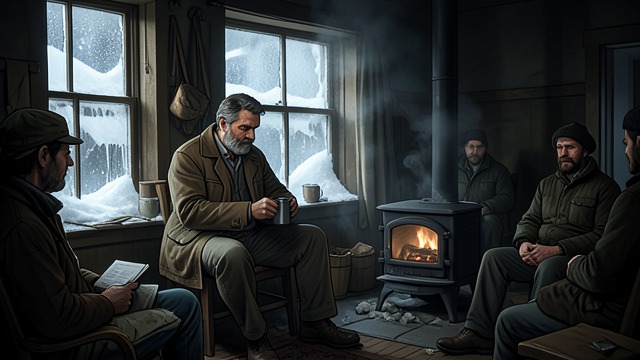
Winter Boarding
Town Shelter
Grainier boards in Bonners Ferry during winter, where he can rest and find occasional work. The town provides services his isolated cabin cannot.
He remains socially peripheral even there. Seasonal residence keeps him connected without making him part of a household.
Economic Necessity
The town is not a retreat from labor but its necessary complement. Rest, food, and wages depend on each other.
Permanent Return
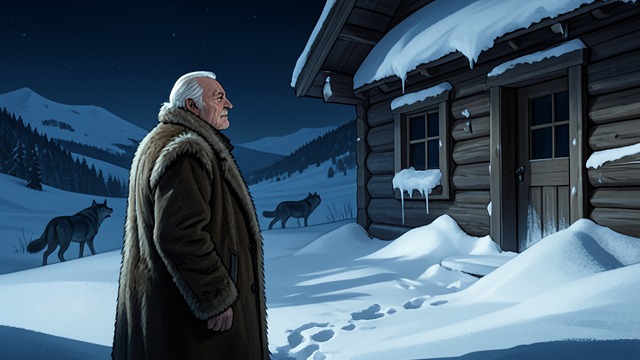
Permanent Return
Cabin Commitment
When his body fails, Grainier chooses to live in the cabin through winter. The seasonal pattern ends because the place has become more important than economic convenience.
The choice increases physical danger, especially during deep snow. It also gives his life a stable center at last.
Solitary Season
The cabin’s silence contains trains, wolves, coyotes, and his own howls. Exile becomes a form of belonging to the valley.
1920-1924
winters before 1925
after the final logging summer
