
The Human Animal Boundary
Train DreamsThis flow traces the book’s repeated crossings between human behavior and animal behavior, culminating in Kate’s altered identity.
increasing Bearing strength in each event
 decreasing
Bearing strength in each eventdecreasingAnimal Comparisons
Animal Comparisons
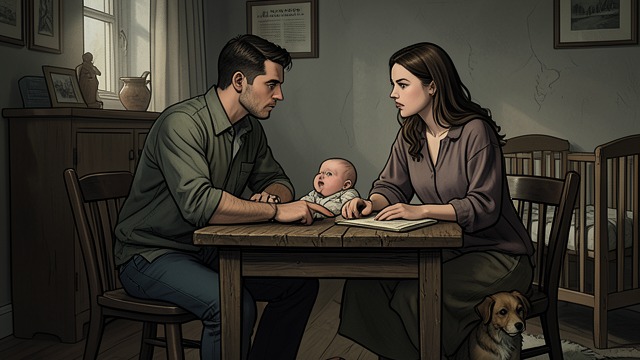
Baby and Dog
Grainier asks whether Kate Grainier knows as much as a dog pup. Gladys Grainier answers by comparing language, instinct, and independence.
The conversation treats animal intelligence as a serious measure of human development. It also foreshadows the instability of the boundary between child and animal.
Uneasy Recognition
Grainier imagines Kate’s eyes as those of a cornered brute. His own thought introduces the animal image before the child can speak.
Dog Knowledge
Dog Knowledge
Strange Agency
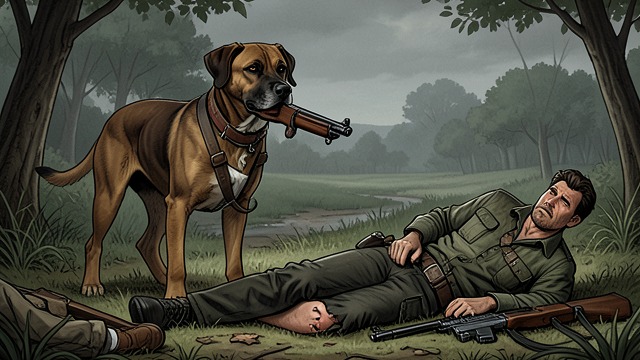
Peterson’s dog understands restraint, intention, and danger well enough to evade its master and fire a rifle. Human language cannot make the event less disturbing.
The dog’s actions imply a knowledge that exceeds training. Peterson responds by attempting to destroy what he cannot classify.
Reversed Mastery
The weapon meant to kill the dog wounds the man instead. The animal becomes an agent rather than a possession.
Kate’s Animal Form
Kate’s Animal Form
Human Recognition
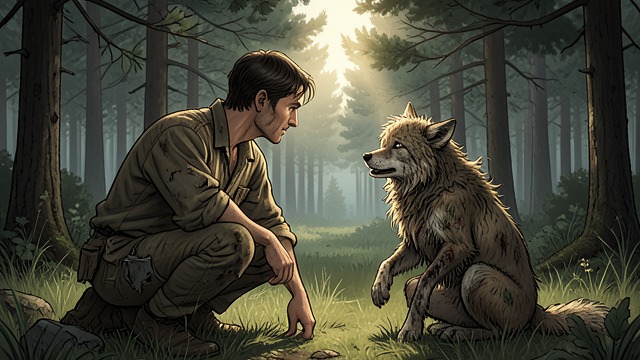
Grainier sees a wolf-faced child with a broken leg and instantly knows she is Kate Grainier. The recognition comes from paternal certainty rather than visible resemblance.
Her animal behavior does not cancel her identity. It makes the identity harder and more painful to sustain.
Boundary Failure
Kate survives outside human language, family, and society. The encounter suggests that personhood can endure without remaining legible to civilization.
summer 1917
1925-1926
about 1930
