
Memory’s Unreliable Order
Train DreamsThis flow traces how Grainier’s memories rearrange chronology while preserving emotional connections among distant events.
increasing Bearing strength in each event
 decreasing
Bearing strength in each eventdecreasingFirst Memory
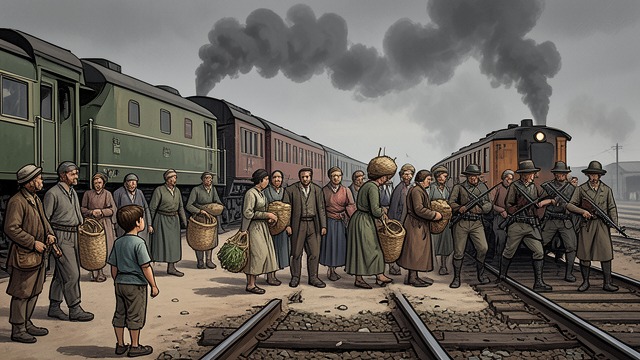
First Memory
Deportation Scene
Grainier remembers Chinese families being forced onto flatcars in Fry. The memory is vivid in images but uncertain in personal explanation.
He does not understand the event until decades later, when he nearly kills a Chinese railroad worker himself. Childhood observation becomes adult repetition.
Delayed Meaning
The past gains significance only after new violence reactivates it. Memory works retrospectively, not chronologically.
Merged Wonders
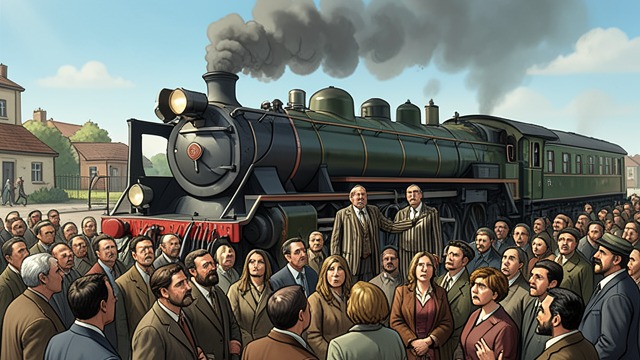
Merged Wonders
Spectacle Compression
Grainier blends the World’s Fattest Man with the Elvis Presley train. Separate encounters become one emotional scene of public wonder.
His chronology fails because the experiences share scale, crowds, and railway atmosphere. The error reveals an associative rather than documentary mind.
Preserved Astonishment
Even inaccurate memory preserves what mattered: the feeling that the world contained figures too strange and remote to understand.
Dreamed Childhood
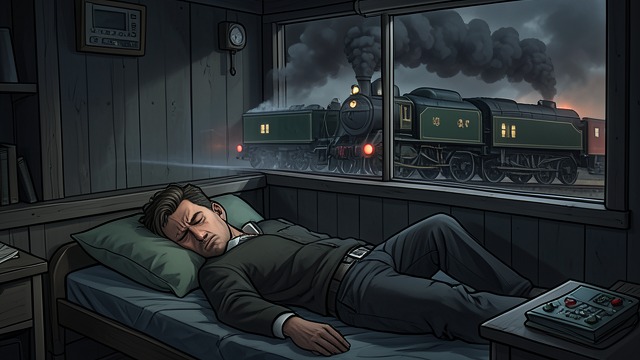
Dreamed Childhood
Train Dreams
Grainier dreams of trains, coal smoke, and a world he may have occupied as a child. Familiarity appears without a reliable scene or origin.
The dream terrifies him because it approaches the unknown beginning he has avoided. The train is both memory carrier and threat.
Awakening Sound
The Spokane International’s passing locomotive enters the dream and wakes him. External history and internal memory become indistinguishable.
childhood in Fry
mid-1950s to late life
the second winter in the new cabin
