
Gina and Cushla’s Unequal Care
TrespassesCushla’s devotion to her mother binds them together while resentment, alcohol and loss repeatedly strain their relationship.
increasing Bearing strength in each event
 decreasing
Bearing strength in each eventdecreasingA Daughter as Caregiver
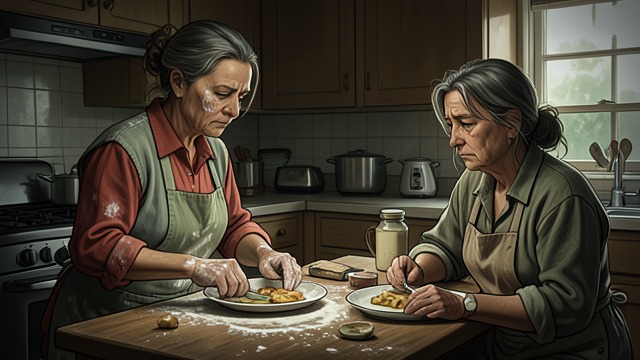
A Daughter as Caregiver
Daily responsibility
Cushla brings breakfast to Gina, manages the household and worries that her mother will fall or start a fire while drunk. Her routine leaves little room for her own life.
Affection under strain
She speaks sharply but continues to care. The relationship is neither simple devotion nor rejection; it is a long negotiation between love and exhaustion.
A Fall Reveals the Bottles
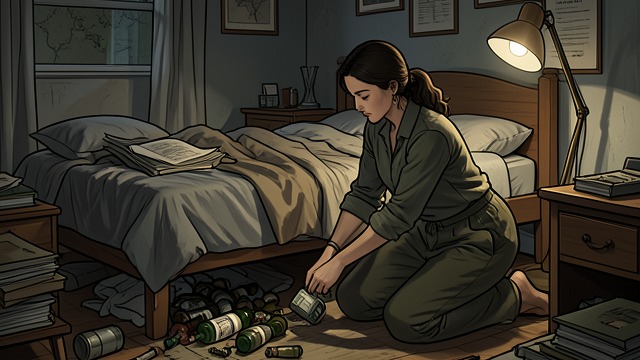
A Fall Reveals the Bottles
Evidence in every room
Cushla discovers hidden gin bottles beneath beds, in drawers and even in the toilet cistern. Gina’s attempt to conceal her drinking has become part of the house’s architecture.
A daughter overwhelmed
Cushla calls Eamonn for help but he is too busy to respond. Her search for support exposes how responsibility has settled disproportionately on her.
Easter Makes the Rift Visible
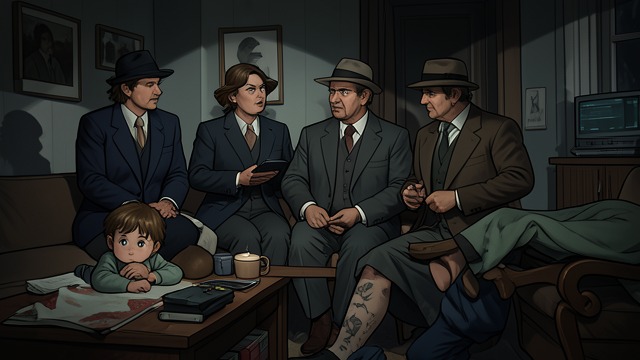
Easter Makes the Rift Visible
A gathering goes wrong
Gina resents Marian’s pregnancy and the family’s failure to tell her earlier. She humiliates Cushla about staying out, and Cushla answers with anger.
Old grief underneath
Their argument grows from more than one lunch: Gina’s drinking, Oliver’s absence and the family’s inability to speak honestly. Cushla’s attempt to make a warm family occasion exposes its fragility.
A Daughter Learns Her Mother Knew
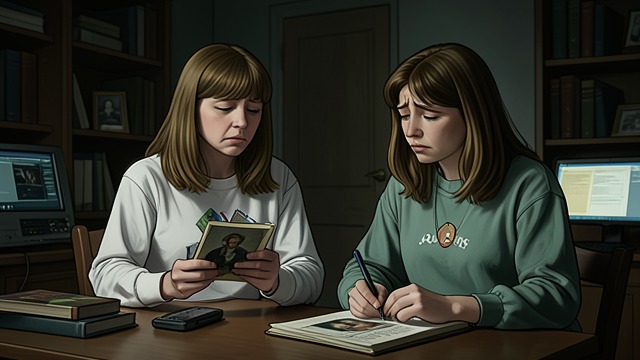
A Daughter Learns Her Mother Knew
A withheld truth
Gina admits that she saw Cushla getting into Michael’s car. She stayed silent because she hoped the affair would end without a public disaster.
A change in tenderness
Cushla learns that her mother’s silence was not ignorance. Gina’s confession lets the two women meet one another more honestly, even as neither can undo what has happened.
A Fragile Household Continues
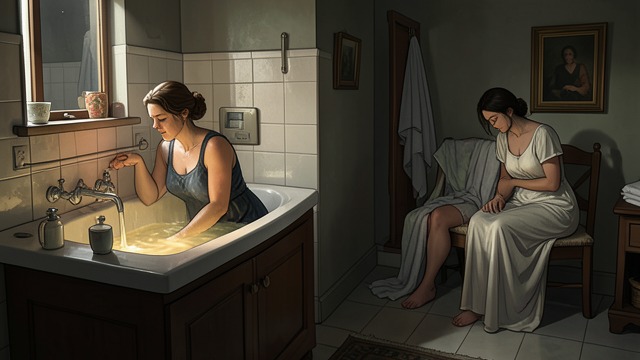
A Fragile Household Continues
Care becomes reciprocal
Gina runs a bath, cooks food and insists that Cushla leave the bed. Cushla begins to accept care rather than only provide it.
Survival, not resolution
They describe themselves as taking turns to fall apart. The line recognizes both women’s weakness and their persistence without suggesting that love cures addiction or grief.
February 1975, on an ordinary school morning
Spring 1975, after Cushla finds Gina unconscious
Easter Sunday 1975, during lunch with Eamonn’s family
Late summer 1975, during Cushla’s withdrawal
Late summer 1975, as Cushla leaves her bedroom
