
The Sculpture and the Dead Body
TrespassesThe sculpture frames the novel’s inquiry into how violence rearranges a body and how those who loved the dead try to recognize him afterward.
increasing Bearing strength in each event
 decreasing
Bearing strength in each eventdecreasingA Figure Made from Doors
A Figure Made from Doors
A body in resin
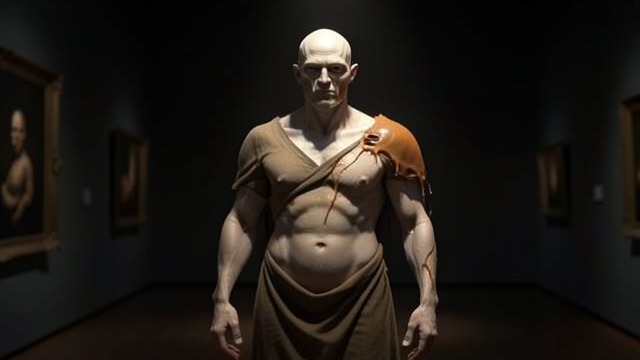
Cushla encounters a pale male figure cast in fabric and resin. The guide calls its disorder a general representation of violent death, but Cushla sees a particular person.
Recognition against explanation
She recognizes the body’s proportions and details before she meets Davy. The sculpture makes memory a form of knowledge that cannot be reduced to a museum label.
The Disorder of Death
The Disorder of Death
An artistic account
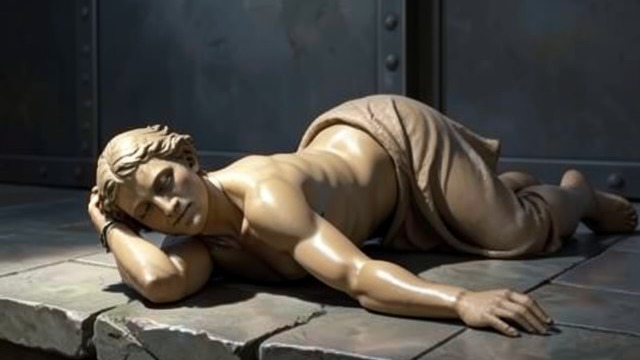
The guide says the sculpture contrasts classical serenity with the disordered body of someone murdered. Cushla rejects the suggestion that it represents an interchangeable Everyman.
An intimate portrait
She recognizes Michael’s shoulder, belly and jaw. The apparent generality of the figure is therefore challenged by the specificity of love and bodily memory.
The News Stretcher
The News Stretcher
The televised body
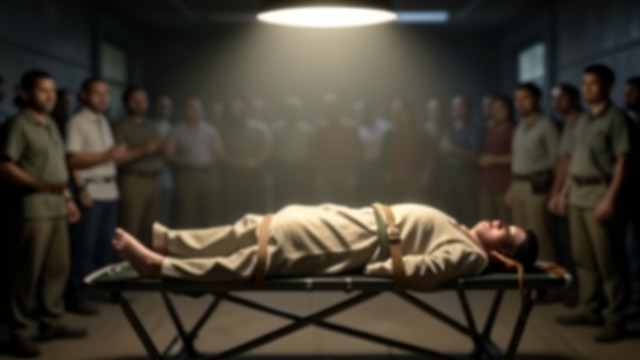
News footage shows Michael’s body under a sheet, limbs awkwardly arranged on a stretcher. Cushla notices his injured shoulder has not been handled carefully.
Public image, private knowledge
The broadcast presents an identified victim, while Cushla sees the body she knew. Her small observation is a private protest against the distance imposed by news and official procedure.
Evidence and the Human Form
Evidence and the Human Form
Photographs as evidence
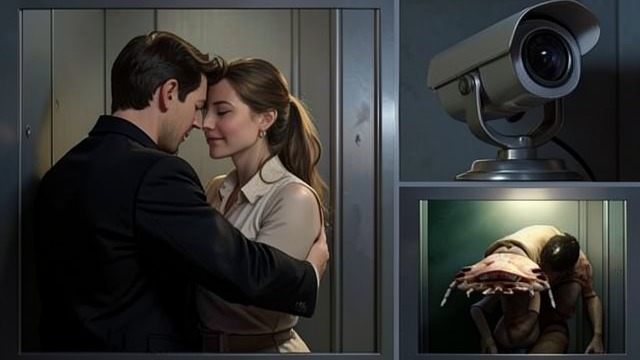
The police show Cushla surveillance images of her intimacy with Michael. Elsewhere, Michael’s files preserve photographs of bodies allegedly tortured in custody.
Two uses of the image
Images can expose abuse, but they can also invade and coerce. The novel places the body between testimony, surveillance and personal memory.
The Hollow Cast
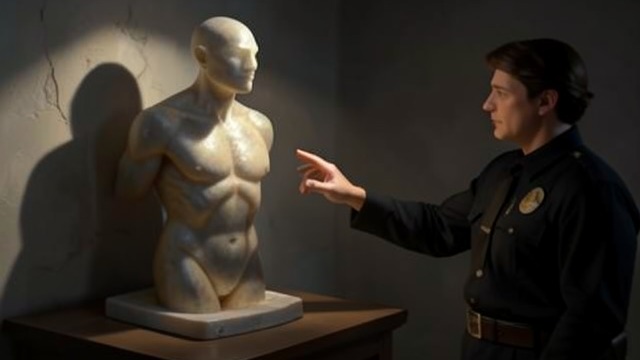
The Hollow Cast
A body absent within
Cushla expects the sculpture to yield and finds it hard, cold and hollow. She reaches for Michael’s shoulder but cannot find the injury she remembers.
Memory’s limit
The artwork can hold the outline of violence but not restore the person. Cushla leaves the gallery with Davy, carrying grief alongside the possibility of ordinary conversation.
2015, at the gallery’s first display
2015, while the guide explains the artwork
The morning after Michael’s assassination
After Tommy’s arrest, during Cushla’s interrogation
2015, after Cushla touches the sculpture
