
The Body as Evidence
TrespassesThe novel contrasts the body’s vulnerability in political violence with the ways institutions, art and memory turn bodies into proof.
increasing Bearing strength in each event
 decreasing
Bearing strength in each eventdecreasingA Grope in the Bar
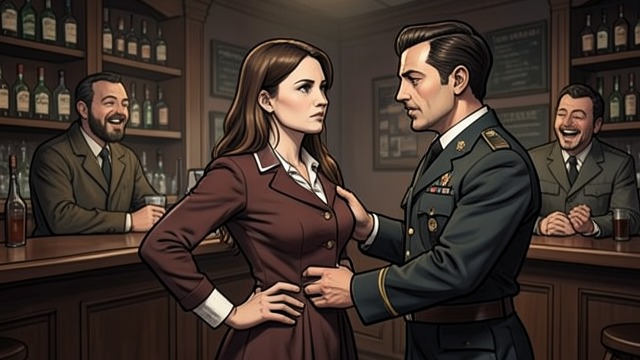
A Grope in the Bar
An unwanted touch
A soldier places his hands on Cushla’s hips while she collects glasses. The assault is treated by him and his companions as a joke.
The body policed
Michael’s intervention interrupts the scene, but Cushla remains exposed to military power and male entitlement. Her body becomes a contested space before the affair begins.
Seamie’s Wounded Hands
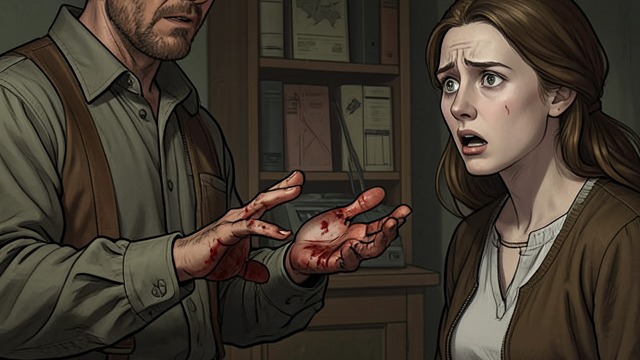
Seamie’s Wounded Hands
Injury made visible
Cushla sees Seamie’s open, scarred hands and nearly faints. Betty washes clothing stained by the bodily consequences of the assault.
Care as witness
The injuries make the violence impossible to keep abstract. Cushla’s revulsion is followed by shame, as she recognizes the family’s daily work of living with the damage.
Photographs of Torture
Photographs of Torture
Images in the case files
Cushla sees photographs of the three accused boys’ bruises and injuries. One image is so disturbing she turns it away before she understands what it shows.
Evidence and responsibility
Michael’s files insist that the accused are bodies with histories, not just names in court. The images make the stakes of his legal work impossible for Cushla to ignore.
Michael’s Shoulder

Michael’s Shoulder
A detail on television
Cushla watches the stretcher carrying Michael’s body and notices that his injured shoulder has been left awkwardly. She speaks before she can stop herself.
Love as bodily knowledge
Her recognition is intensely personal: she remembers the shoulder from touch, not from public accounts. The detail confirms how intimate knowledge survives even when the person is gone.
The Cast and the Empty Space
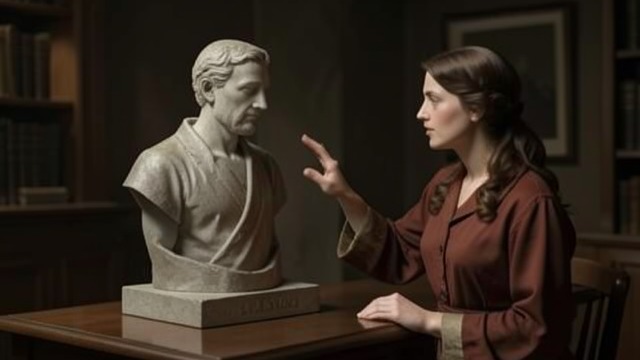
The Cast and the Empty Space
A hollow sculpture
Cushla touches the figure and finds no warmth, weight or injured shoulder. The cast preserves the outline of a murdered man but contains no body.
Representation cannot restore
Davy and Cushla can share recognition, but the artwork cannot resolve their losses. Its emptiness makes visible the distance between an image of violence and the living person remembered.
February 1975, during Cushla’s first night shift
Spring 1975, when Cushla visits Seamie at home
Late spring 1975, when Cushla sees Michael’s files
The morning after Michael’s assassination
2015, at the end of the novel
