
From Blue River Frontier to Presidency
TrumanThis flow traces Harry S. Truman’s passage from a Missouri farm household through war, politics, and the presidency.
increasing Bearing strength in each event
 decreasing
Bearing strength in each eventdecreasingFrontier Family Roots
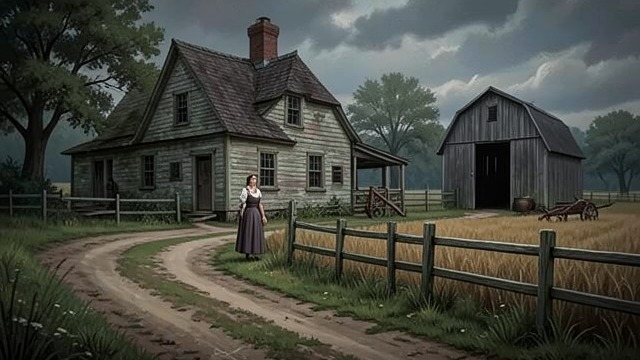
Frontier Family Roots
Inheritance
Solomon Young and Harriet Louisa Young built a large farm in Jackson County, Missouri. Their daughter Martha Ellen Truman grew up amid its land, work, and family stories.
Significance
That inheritance gave Harry S. Truman a durable sense of place and a model of strenuous self-reliance.
Farm-Born Childhood

Farm-Born Childhood
Formation
Raised first on the Young farm and later in Independence, Harry S. Truman absorbed family discipline, local history, books, music, and democratic politics.
Significance
His childhood combined rural labor with intellectual ambition, shaping a public man who valued both people and history.
War and Self-Discovery
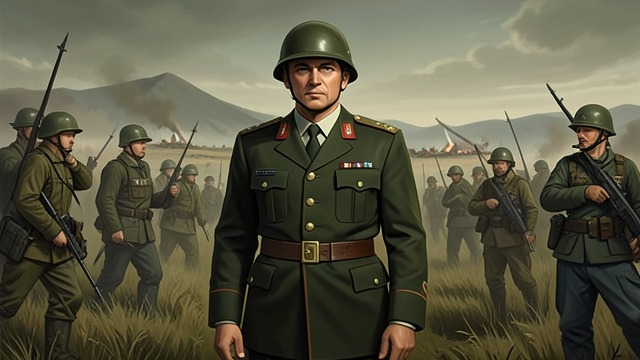
War and Self-Discovery
Command
In France, Truman became a battery commander and earned the confidence of soldiers who initially doubted him. Combat tested his nerve and judgment.
Significance
Returning with leadership experience, he was no longer simply a farmer uncertain of his direction.
County Power and Public Work
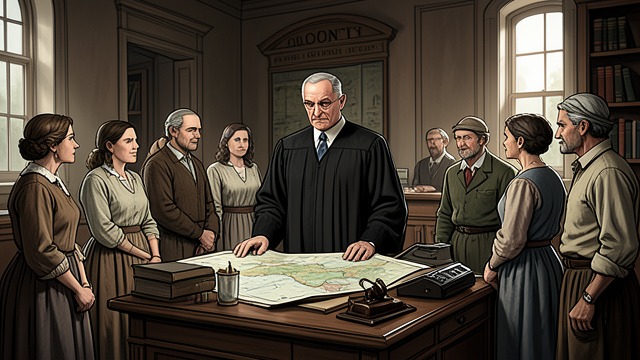
County Power and Public Work
Entry
After business failure, Truman entered Jackson County politics with backing from the Pendergast organization. As judge, he emphasized roads, budgets, and competent administration.
Significance
His county record established practical executive experience, even as his political ties later became a lasting liability.
Presidential Responsibility

Presidential Responsibility
Succession
Franklin Roosevelt’s death abruptly made Truman President amid the final stages of World War II. He confronted the atomic bomb, postwar diplomacy, and domestic conflict.
Significance
His decisions helped shape the nuclear age, the Cold War, and the limits of presidential power.
1841–1884
1884–1901
1917–1919
1922–1934
1945–1953
