
A Farmer’s Values Meet Industrial America
TrumanThis flow traces Truman’s agrarian ideals as they confronted corporate power, wartime production, and postwar labor conflict.
increasing Bearing strength in each event
 decreasing
Bearing strength in each eventdecreasingFarmers’ Independence
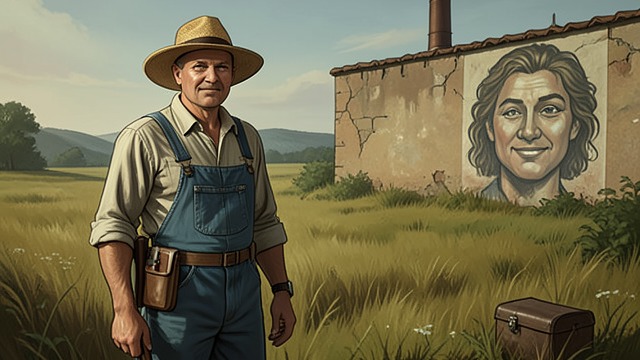
Farmers’ Independence
Belief
Truman inherited the conviction that farmers were independent citizens whose work sustained the nation. His own years behind a plow made the idea personal.
Later Lens
He carried that perspective into debates over markets, labor, and economic power.
Distrust of Concentrated Power
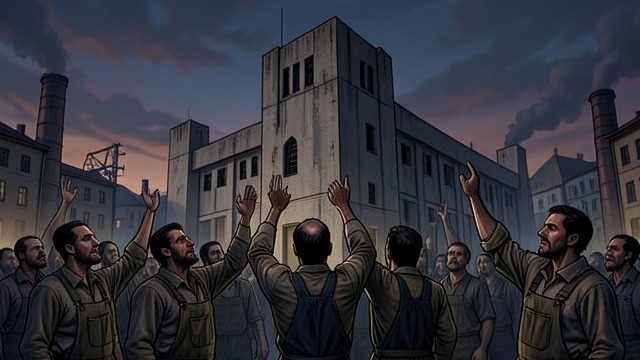
Distrust of Concentrated Power
Senate Critique
Truman attacked concentrated corporate power and financial practices that burdened ordinary workers and farmers. The argument reflected both his populist inheritance and firsthand experience.
Stakes
He sought government that could protect the public without becoming a tool of private interests.
Wartime Waste Investigation
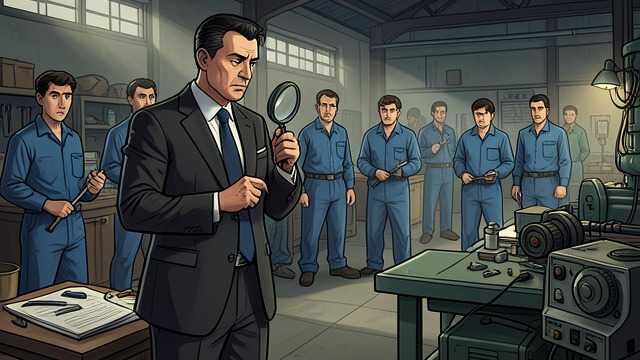
Wartime Waste Investigation
Oversight
The Truman Committee exposed cost-plus abuses, production delays, and defective materials in the defense effort. Truman insisted that scrutiny could strengthen, not obstruct, mobilization.
Balance
He tried to protect production while holding contractors and agencies accountable.
Postwar Labor Unrest
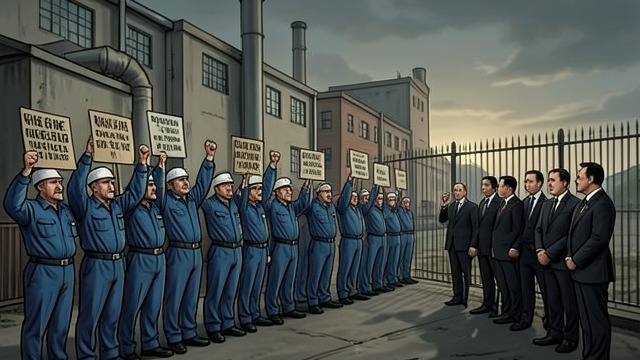
Postwar Labor Unrest
Competing Demands
After demobilization, workers sought wage increases while employers resisted costs. Strikes spread through transportation, mining, and industry.
Presidential Burden
Truman struggled to balance labor rights, economic stability, and the public’s need for essential services.
Confrontation with the Unions
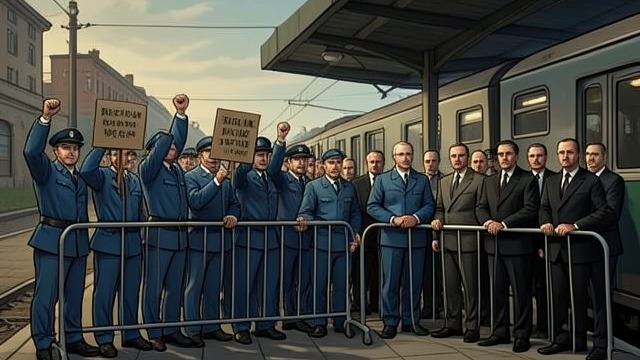
Confrontation with the Unions
Strike Crisis
A national railroad shutdown threatened transport and food distribution. Truman proposed drafting strikers, prompting immediate opposition in Congress.
Resolution
The strike settled before the draft measure passed, but the episode showed how far Truman would go to maintain public order.
Childhood–1917
1935–1939
1941–1943
1945–1946
May 1946
