
Civil Rights and Political Principle
TrumanThis flow traces Truman’s movement from inherited racial assumptions toward federal action against discrimination.
increasing Bearing strength in each event
 decreasing
Bearing strength in each eventdecreasingInherited Prejudice
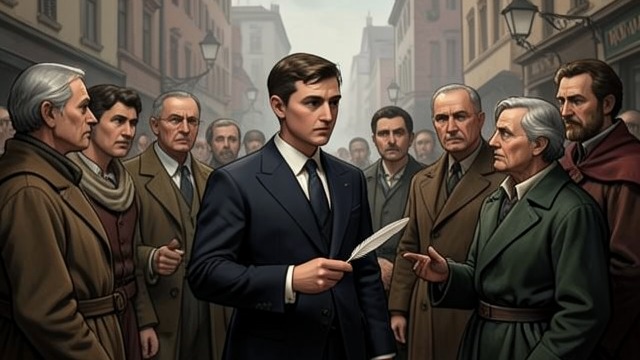
Inherited Prejudice
Local Norms
Truman grew up in a racially segregated society where discriminatory language and assumptions were commonplace. His early letters reflected those inherited attitudes.
Tension
The record also shows that his public views would later move beyond the norms of his upbringing.
Equal Protection in Politics
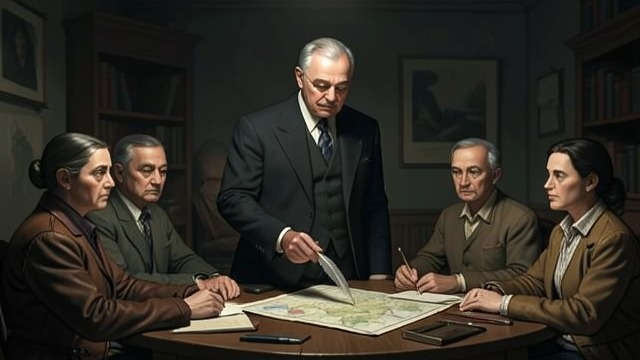
Equal Protection in Politics
Political Choice
During his Senate campaign, Truman supported equality before the law and spoke against lynching and the poll tax, while not advocating social integration.
Significance
His position was limited by modern standards but unusually direct in the political climate of Missouri.
Civil Rights Commission
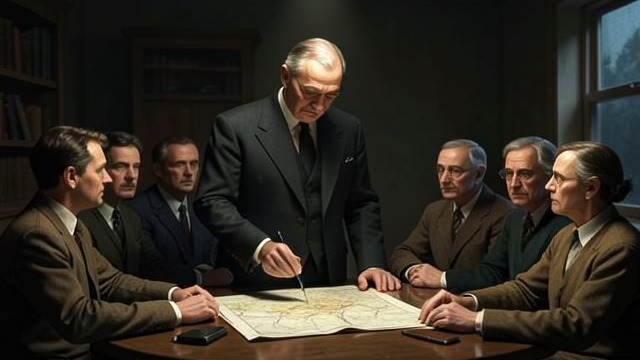
Civil Rights Commission
Investigation
Truman created a presidential commission to examine discrimination and recommend federal action. The inquiry documented violence, unequal access, and failures of law enforcement.
Decision
The findings challenged the political caution that had constrained earlier presidents.
Federal Civil Rights Program
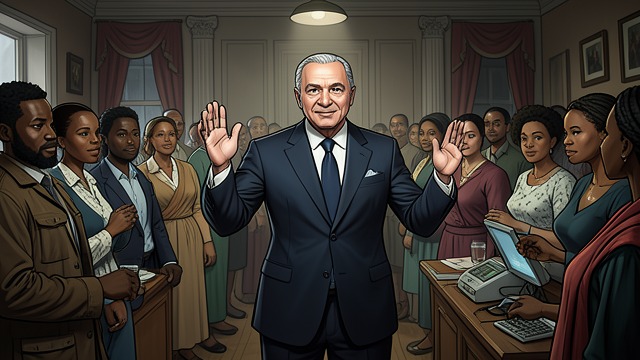
Federal Civil Rights Program
Public Commitment
Truman called for anti-lynching and voting protections and an end to discrimination in federal employment and interstate travel. He knew the proposal could cost southern support.
Consequence
His actions made civil rights an explicit presidential responsibility rather than a distant campaign promise.
Desegregating the Military
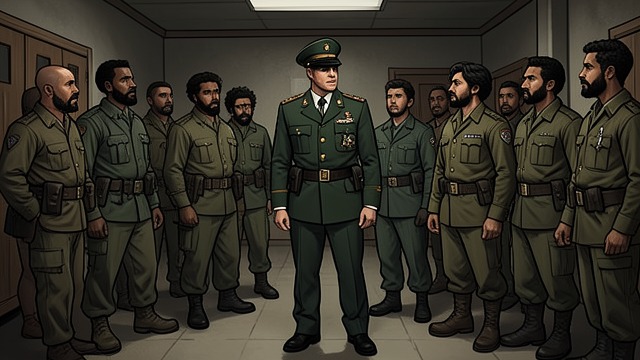
Desegregating the Military
Executive Action
Truman ordered equal treatment in the armed forces and federal service. The change began despite opposition from segregationists and uncertainty about implementation.
Legacy
His use of executive authority established a precedent for later civil rights action.
Childhood–1910s
1930s–1940
1946
1948
1948–1950
