
The Cold War Takes Shape
TrumanThis flow traces Truman’s gradual shift from hopes for wartime cooperation to a policy of containment and alliance.
increasing Bearing strength in each event
 decreasing
Bearing strength in each eventdecreasingWartime Commitments
Wartime Commitments
Continuity
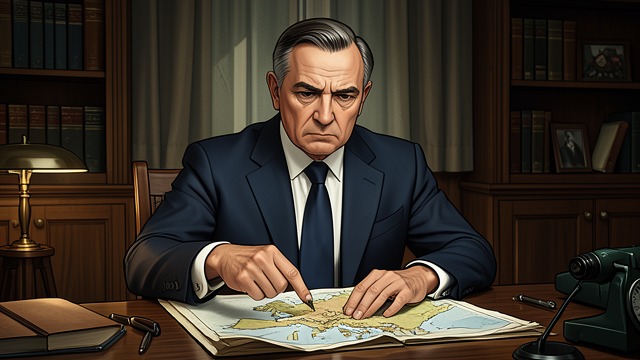
Truman entered office pledging to honor agreements made by Franklin D. Roosevelt. He hoped that frank personal diplomacy could preserve cooperation with Joseph Stalin.
Emerging Friction
Disputes over Poland and Soviet conduct quickly put those hopes under pressure.
The Molotov Confrontation
The Molotov Confrontation
A Direct Warning
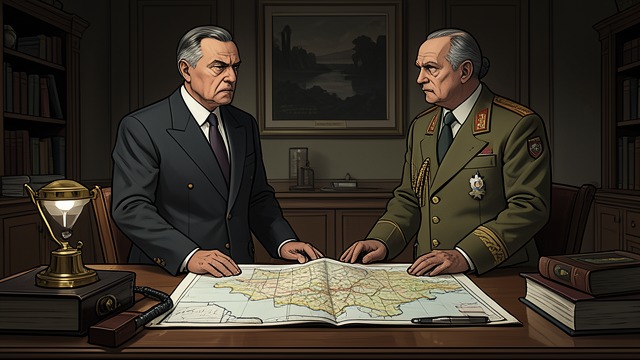
Truman told Vyacheslav Molotov that the Soviet Union must honor its agreements on Poland. His direct language startled officials but reflected a decision to speak plainly.
Consequence
The episode marked a tougher tone, though Truman continued to seek cooperation.
Berlin and the Airlift
Berlin and the Airlift
Blockade
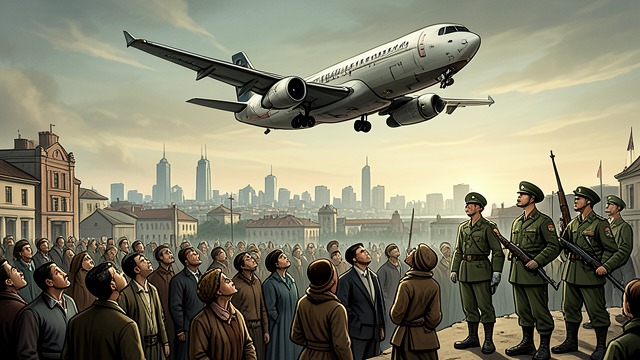
The Soviet blockade threatened the Western sectors of Berlin. Truman rejected armed confrontation and chose to supply the city by air.
Outcome
The airlift sustained the population and demonstrated that the United States would remain in Berlin without starting a war.
A Global Doctrine
A Global Doctrine
Public Commitment
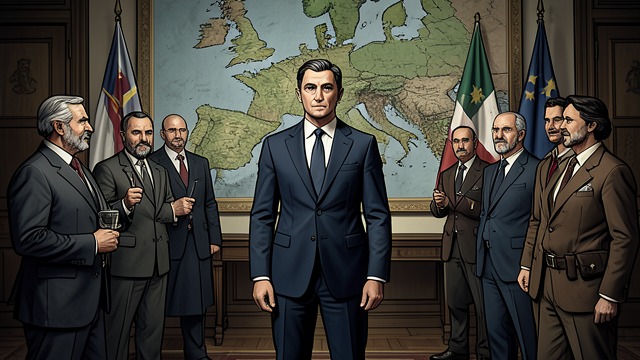
Truman asked Congress to help Greece and Turkey resist armed pressure, framing support for free peoples as American policy. Later alliances extended that commitment.
Debate
The policy helped contain Soviet influence but raised questions about its reach and the risk of confrontation.
Nuclear Anxiety
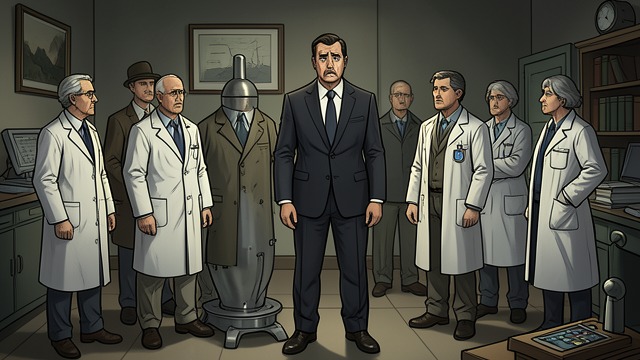
Nuclear Anxiety
New Balance
The Soviet atomic test ended the American monopoly and intensified fears of a nuclear arms race. Truman authorized development of the hydrogen bomb.
Cost
The new weapons strengthened deterrence while making the consequences of political failure more catastrophic.
1945
April 1945
June 1948–May 1949
March 1947–1949
1949–1952
