
From Campaign Hope to Electoral Upset
TrumanThis flow traces how Truman’s 1948 campaign converted apparent defeat into a personal victory.
increasing Bearing strength in each event
 decreasing
Bearing strength in each eventdecreasingA Party in Pieces
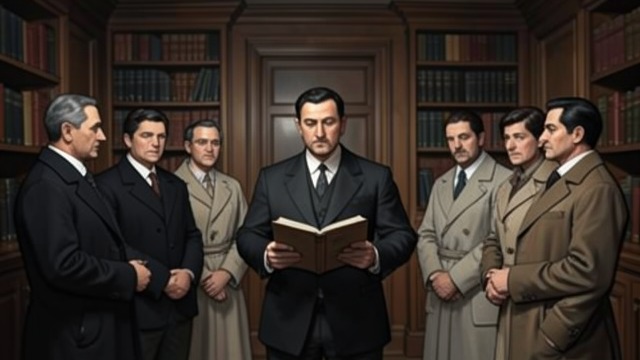
A Party in Pieces
Fracture
Southern segregationists and Henry Wallace’s progressives threatened to split the Democratic coalition. Truman’s popularity was weak and the party’s prospects looked poor.
Response
He committed to the campaign and defended the administration’s record rather than withdrawing from the contest.
A Blunt Campaign
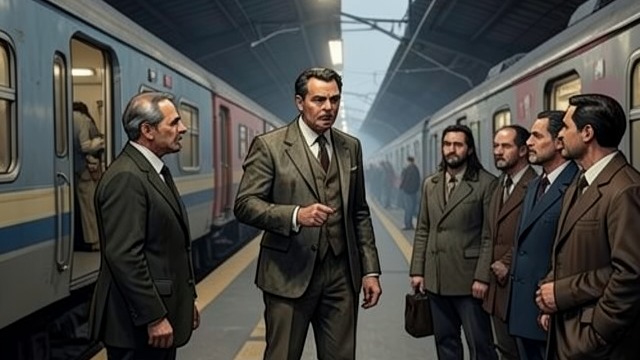
A Blunt Campaign
Taking the Case to Voters
Truman began his railroad tour with direct attacks on the Republican Congress and appeals to farmers, workers, and local audiences.
Contrast
His informal style seemed old-fashioned to many commentators but allowed voters to encounter him directly.
Crowds and Momentum

Crowds and Momentum
Growing Response
Large crowds greeted Truman across the West and Midwest. His speeches connected national issues to local memories of hardship and recovery.
Significance
Although press reports often dismissed the audiences as curious spectators, the campaign was building support among voters.
The Final Push
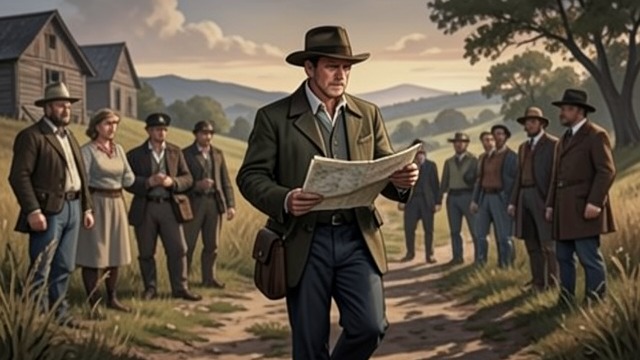
The Final Push
A Long Campaign
Truman traveled through industrial and rural states, emphasizing housing, prices, labor, civil rights, and the Republican Congress. He rejected advice to retreat.
Personal Investment
His stamina and optimism became a central part of the campaign’s meaning.
The Upset Victory
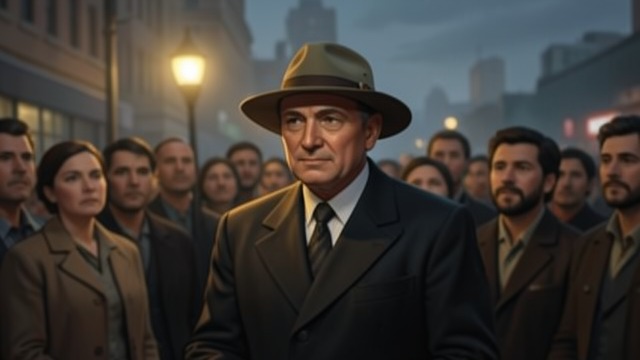
The Upset Victory
Returns
Despite early projections and Dewey’s lead in the headlines, Truman won key states and secured reelection. His victory overturned nearly unanimous expert forecasts.
Meaning
The result restored his authority and became a landmark in political campaigning and public opinion.
Spring–July 1948
September 1948
September–October 1948
October 1948
November 2–5, 1948
