
The Atomic Bomb and Presidential Responsibility
TrumanThis flow traces Truman’s path from learning of the secret weapon to accepting its consequences and restraining further use.
increasing Bearing strength in each event
 decreasing
Bearing strength in each eventdecreasingA Secret Inherited
A Secret Inherited
Disclosure
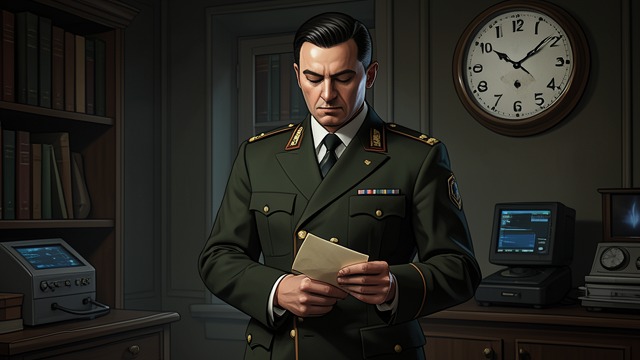
Henry L. Stimson informed Truman that the United States was developing a weapon capable of destroying a city. Truman had not known the project’s full purpose as a senator.
Burden
The secret became one more responsibility left by Franklin Roosevelt.
The First Test
The First Test
Alamogordo
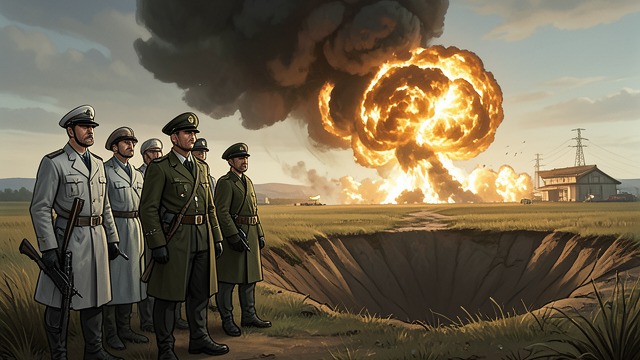
The successful Trinity test demonstrated destructive power far beyond earlier expectations. News reached Truman during the Potsdam Conference.
Strategic Effect
The test strengthened his confidence that the weapon could end the war, while also confronting him with its historic danger.
Choosing the Target
Choosing the Target
Advice
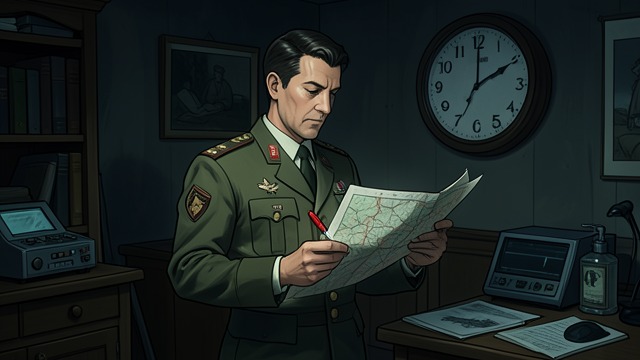
Truman heard recommendations to use the bomb against Japan without a prior warning. He approved the removal of Kyoto from the target list but did not order a demonstration.
Decision
He accepted direct military use, believing surrender could be secured sooner and an invasion avoided.
Hiroshima and Nagasaki
Hiroshima and Nagasaki
Explosions
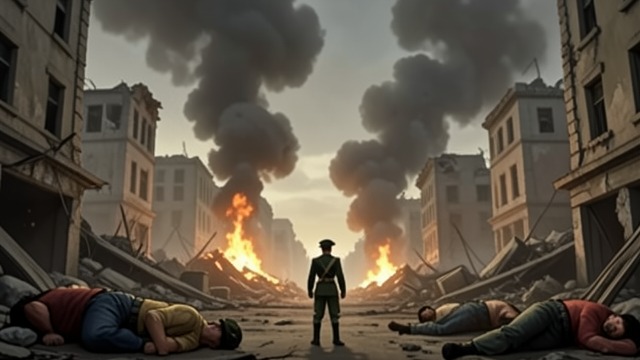
Atomic bombs destroyed Hiroshima and Nagasaki, causing mass death and suffering. Truman announced the first attack before full reports of its effects were known.
Human Cost
Later estimates made clear that casualties vastly exceeded earlier expectations and that the weapon changed world politics.
Stopping Further Use
Stopping Further Use
Surrender Terms
After Japan indicated willingness to surrender if the Emperor remained, Truman and advisers debated the response. The Allies accepted a constrained role for the Emperor.
Restraint
Truman ordered no further atomic attacks without his express permission, recoiling from the prospect of another city’s destruction.
April 1945
July 16–21, 1945
July 1945
August 6–9, 1945
August 10, 1945
