
Truman and Acheson
TrumanThis flow traces how a relationship grounded in mutual trust developed into a partnership at the center of American foreign policy.
increasing Bearing strength in each event
 decreasing
Bearing strength in each eventdecreasingA Helpful Stranger
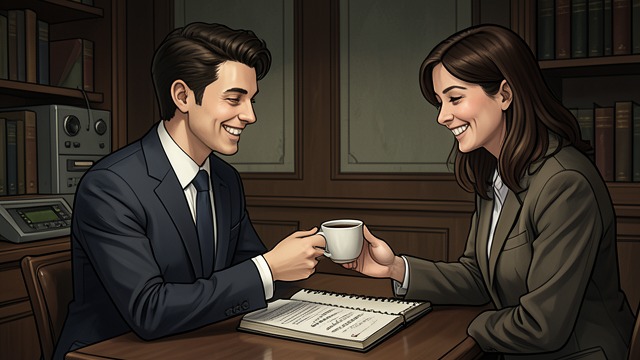
A Helpful Stranger
Early Kindness
When Truman arrived in Washington as a new senator, Harry Hopkins and other experienced figures helped orient him. These gestures shaped his enduring gratitude toward people who treated him well.
Foundation
He remembered kindness and repaid it through lasting professional loyalties.
Shared Policy Work
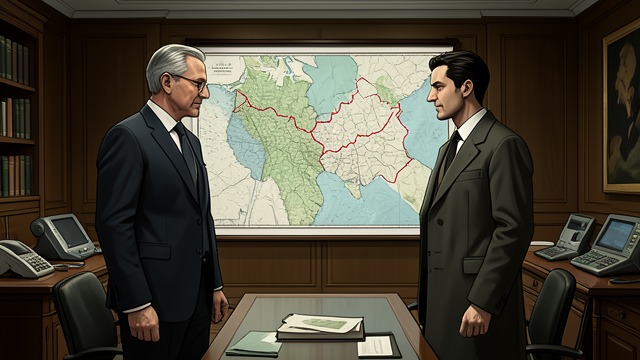
Shared Policy Work
Partnership
As President, Truman relied on Acheson’s judgment in diplomacy and on his ability to explain complex issues. Acheson valued Truman’s directness and willingness to decide.
Trust
Their working relationship strengthened as they faced worsening relations with the Soviet Union.
Acheson’s Leadership
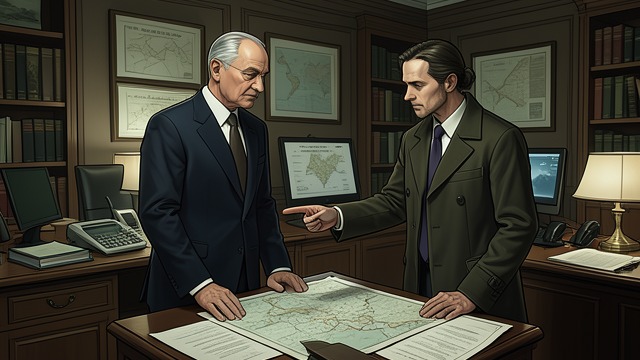
Acheson’s Leadership
Foreign Policy
Acheson became Truman’s Secretary of State and helped lead the Marshall Plan, NATO, and the response to Soviet pressure. Truman gave him room to act while retaining final authority.
Mutual Regard
Each trusted the other’s integrity and recognized the other’s distinct role.
Private Counsel
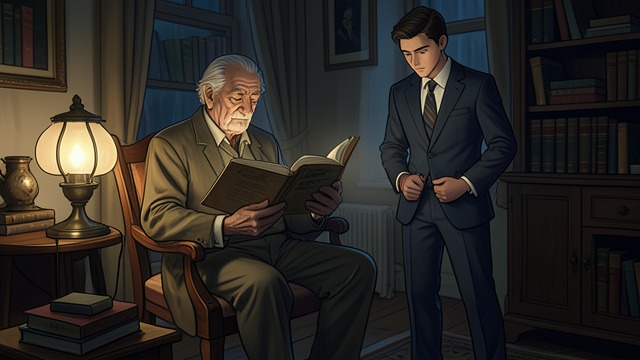
Private Counsel
Friendship After Office
After leaving the White House, Truman and Acheson exchanged candid letters and stayed close. Truman sought Acheson’s thoughts and valued his encouragement.
Significance
Their friendship gave Truman an intellectual companion and a trusted witness to his public life.
Acheson’s Farewell
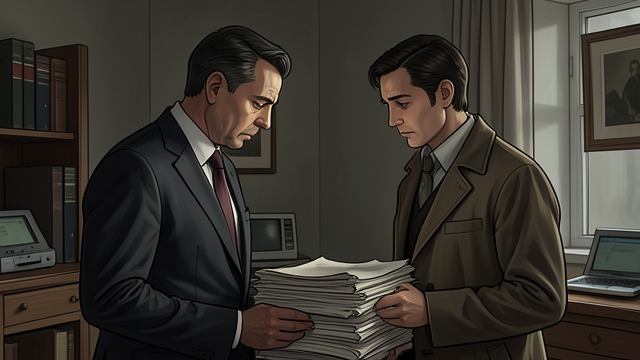
Acheson’s Farewell
Loss
Acheson died in 1971, after decades of friendship and service. Truman, already old and increasingly frail, felt the loss deeply.
Legacy
Their correspondence preserved a candid record of mutual affection and political judgment.
1935
1945–1947
1949–1952
1953–1960s
1971
