
The War-Time Bond with Jacobson
TrumanThis flow traces Truman and Jacobson’s friendship from a canteen partnership to a decisive intervention on Israel.
increasing Bearing strength in each event
 decreasing
Bearing strength in each eventdecreasingCanteen Partnership
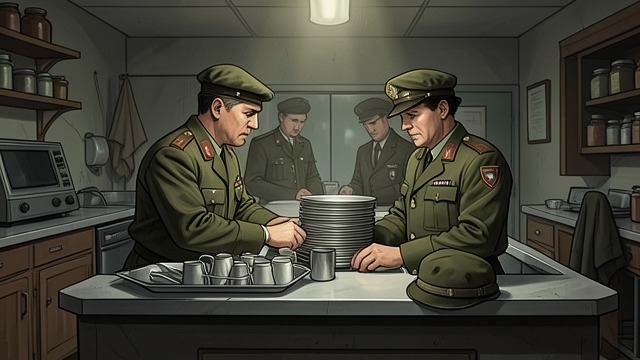
Canteen Partnership
Shared Work
During military service, Truman and Edward Jacobson ran a successful canteen. Their partnership depended on trust and complementary abilities.
Lasting Friendship
The experience created a bond that outlasted their later business failure.
A Failed Store
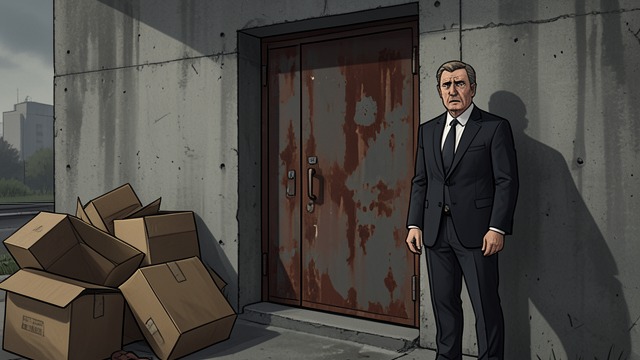
A Failed Store
Business Venture
Truman and Jacobson opened a men’s furnishing store in Kansas City. The postwar downturn brought the business down and left both men in debt.
Loyalty
Truman continued to treat Jacobson as a friend rather than a failed business partner.
A Friend’s Appeal
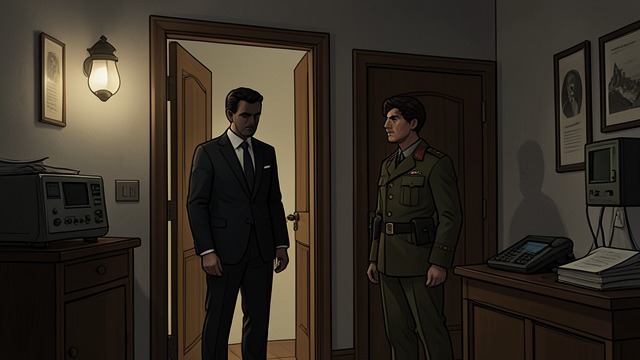
A Friend’s Appeal
A Closed Door
Truman’s frustration with Zionist pressure led him to refuse a meeting with Chaim Weizmann. Jacobson was alarmed that his friend’s policy might abandon Jewish survivors.
Moral Argument
He compared Weizmann’s devotion to his cause with Truman’s own lifelong admiration of heroes.
The Meeting Agreed
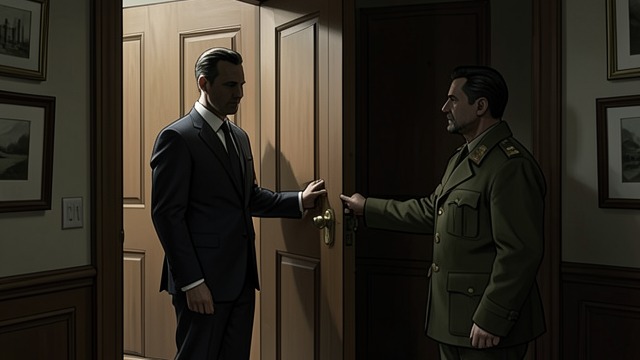
The Meeting Agreed
Persuasion
Jacobson pressed Truman personally, despite his reluctance to impose on a friend. Truman finally agreed to see Weizmann.
Outcome
The conversation reaffirmed Truman’s support for partition and helped preserve Jacobson’s trust in his old partner.
A Private Legacy
A Private Legacy
Friendship Remembered
The two men remained close after Truman left office. Their decades-long loyalty mattered more to Truman than the store’s failure.
Significance
Jacobson’s intervention became a rare instance where friendship directly affected a consequential presidential decision.
1917–1919
1919–1922
1948
March 1948
1953–1972
