
The Loss of Truman’s Political Friends
TrumanThis flow traces how friendship, political loyalty, and scandal repeatedly tested Truman’s judgment.
increasing Bearing strength in each event
 decreasing
Bearing strength in each eventdecreasingA Mentor’s Support
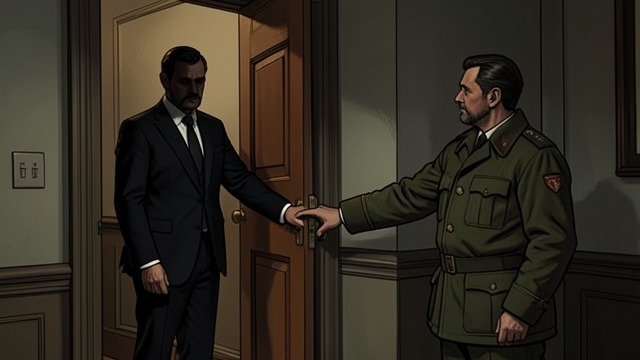
A Mentor’s Support
Political Opening
Michael Pendergast and James Pendergast helped bring Truman into politics. Truman felt deep gratitude, especially toward Michael, whom he later compared to his father.
Complication
The organization’s methods and criminal associations made the friendship politically dangerous.
Loyalty to Tom
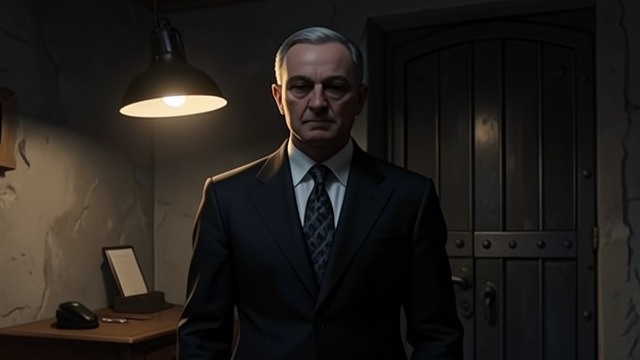
Loyalty to Tom
Difficult Allegiance
Truman stayed loyal to Thomas Joseph Pendergast even as investigations exposed corruption. He distinguished friendship from direct criminal conduct.
Cost
His loyalty shaped his reputation and later left him vulnerable to accusations of machine politics.
A Public Farewell
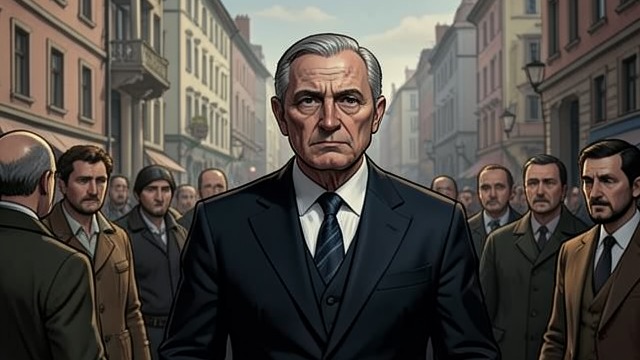
A Public Farewell
Funeral
As Vice President, Truman attended Pendergast’s funeral despite the expected criticism. He considered it an act of loyalty to an old friend.
Consequence
The gesture reinforced both his personal code and the political stigma he carried into national office.
Friends in the White House
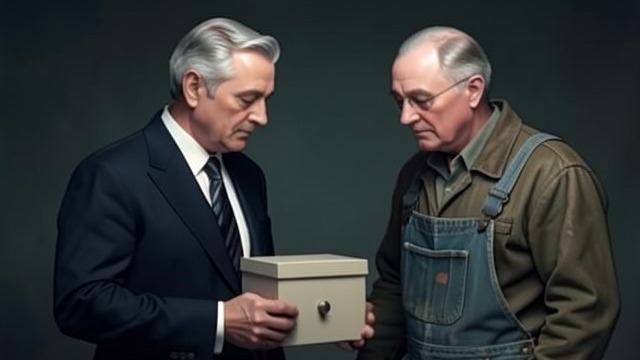
Friends in the White House
Trust
Truman kept old associates such as Harry Vaughan near him. He valued their loyalty and ordinary speech, even when others doubted their judgment.
Vulnerability
The same loyalty could leave him reluctant to act when friends behaved poorly or embarrassed the administration.
Taking the Blame
Taking the Blame
Scandals
Investigations into tax offices and patronage damaged the administration’s reputation. Truman ordered dismissals and reforms but resisted treating every accusation as proof.
Responsibility
He accepted that the President would be judged by the conduct of those around him.
1922–1934
1934–1939
1945
1945–1951
1951–1953
