
Slavery, War, and the Family’s Moral Inheritance
TrumanThis flow traces how slavery and the Civil War shaped the families around Truman and left a complicated legacy.
increasing Bearing strength in each event
 decreasing
Bearing strength in each eventdecreasingSlaveholding Migration
Slaveholding Migration
Context
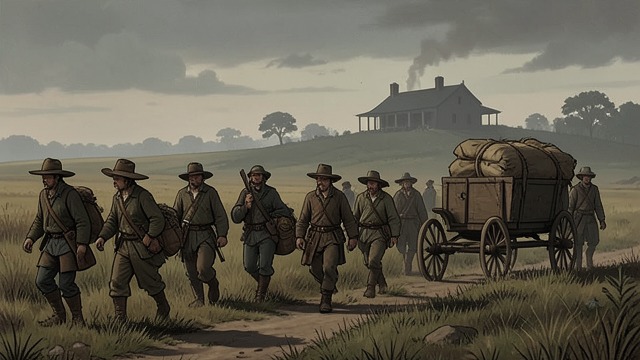
Some Kentucky migrants to Missouri, including members of the Holmes and Young families, owned enslaved people. Slavery formed part of the region’s economy and social order.
Contradiction
The family story of frontier independence was inseparable from coerced labor.
Border War
Border War
Escalation
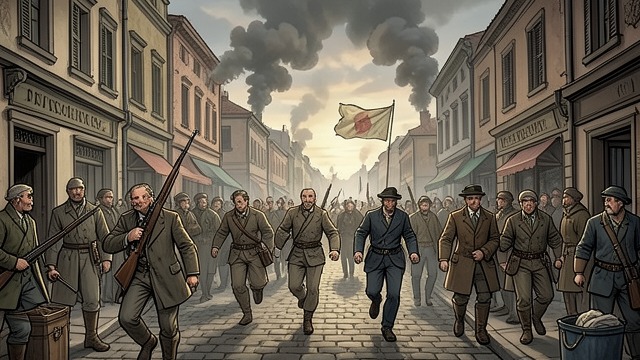
The Kansas-Nebraska Act intensified conflict over slavery. Raids and reprisals made western Missouri a violent borderland.
Consequence
Civilians endured destruction from both pro-slavery and anti-slavery forces, complicating later memories of loyalty and blame.
Forced Exile
Forced Exile
Order
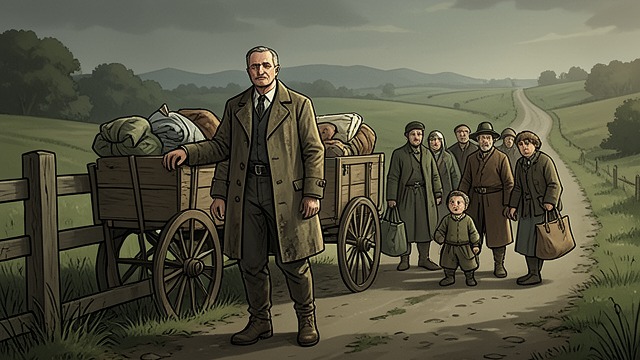
General Order No. 11 required residents of several counties to leave their homes. The Young family was allowed only one wagonload of possessions.
Memory
The forced removal became one of the deepest sources of bitterness in the family’s account of the war.
Freedom After the War
Freedom After the War
Emancipation
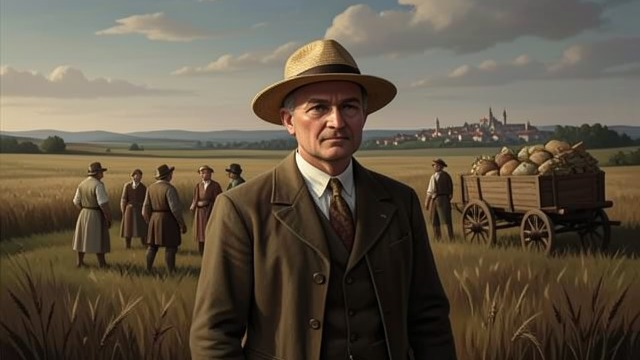
Anderson Shipp Truman took the people he enslaved to Kansas after the war, where they began life as free people. Their later fate was unknown to his family.
Unresolved Memory
Family members defended their ancestors while acknowledging that enslaved people had endured a system built on coercion.
A Segregated Childhood
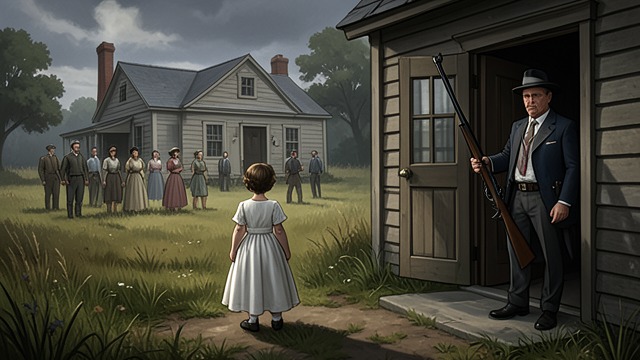
A Segregated Childhood
Inherited Norms
Truman grew up where Black residents faced separate schools, exclusion, and threats of violence. His early language reflected the racial assumptions of his community.
Challenge
As President, he moved toward federal action against discrimination without erasing the contradictions of his earlier views.
1841–1846
1854–1863
August 1863
1865
1890s–1940s
