
The Presidential Home as Public Symbol
TrumanThis flow traces the White House from inherited workplace to fragile building, family residence, and restored national symbol.
increasing Bearing strength in each event
 decreasing
Bearing strength in each eventdecreasingA Sudden New Home
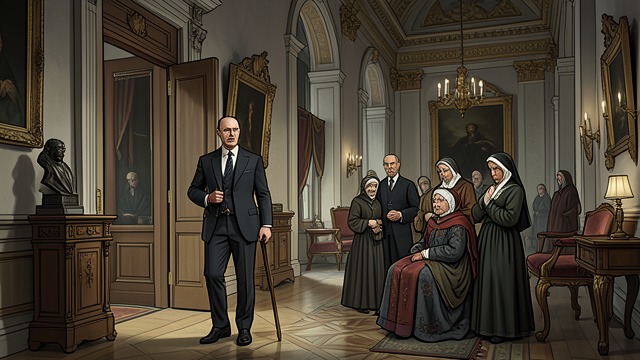
A Sudden New Home
Arrival
Truman entered the White House immediately after Roosevelt’s death, surrounded by a staff and family in mourning. The building’s private rooms still belonged to Roosevelt’s world.
Adjustment
Truman learned the house while trying to assume the office it represented.
Restoring the Rooms
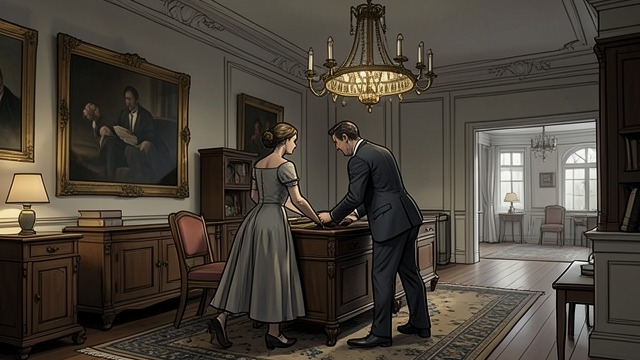
Restoring the Rooms
Domestic Life
Bess and Truman sought to make the residence comfortable and orderly. They replaced neglected furnishings and reestablished family routines.
Contrast
Their private, Midwestern habits differed from the public ceremony and symbolic importance of the house.
Structural Danger
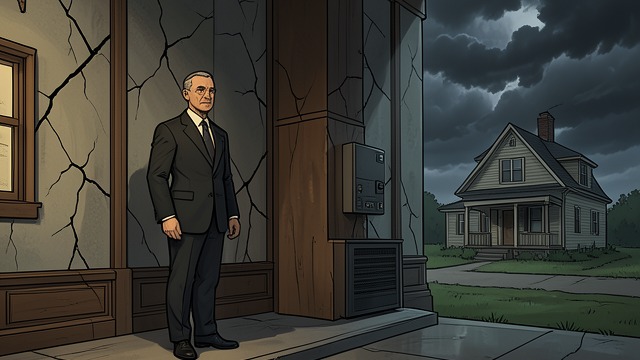
Structural Danger
Discovery
Engineers found severe weaknesses in the building’s frame, wiring, plumbing, and floors. The President’s residence was at risk of collapse.
Decision
Truman insisted on a lasting reconstruction rather than cosmetic repairs, temporarily moving his family to Blair House.
Rebuilding the Interior
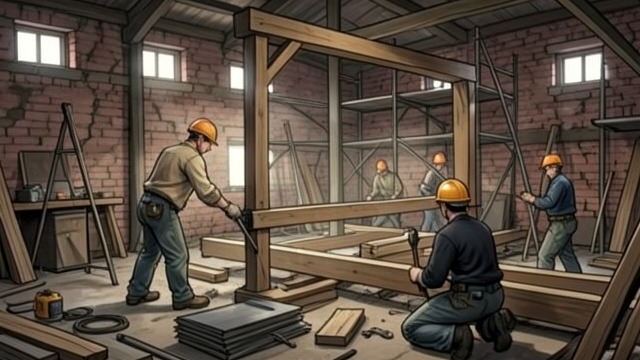
Rebuilding the Interior
Project
The interior was dismantled and rebuilt around the preserved exterior walls. Truman followed details closely and insisted on structural plans and durable work.
Symbol
The work reflected his desire to protect an institution that belonged to generations beyond his own.
The Restored Mansion
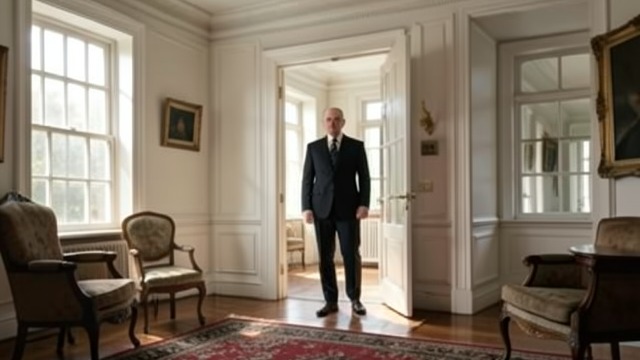
The Restored Mansion
Return
After three years away, Truman and Bess moved back into the completed White House. The restored rooms brought him pride and relief.
Legacy
The renovation secured the building’s future while reinforcing his belief in the dignity and continuity of the presidency.
April 1945
1945–1949
1948–1949
1949–1952
March 1952
