
A Presidency Tested by Public Judgment
TrumanThis flow traces Truman’s changing standing with the public through approval, criticism, crisis, defeat forecasts, and renewed confidence.
increasing Bearing strength in each event
 decreasing
Bearing strength in each eventdecreasingInitial Sympathy
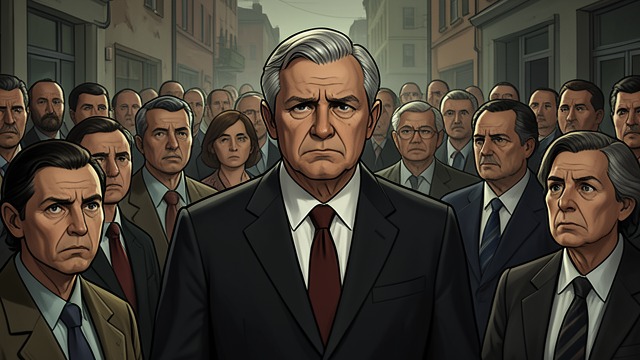
Initial Sympathy
Public Reaction
Many Americans were shaken by Roosevelt’s death and uncertain about his successor. Truman’s humility and promise of continuity gave the country some reassurance.
First Impression
His early directness contrasted with the elaborate expectations attached to Roosevelt’s presidency.
Presidential Honeymoon
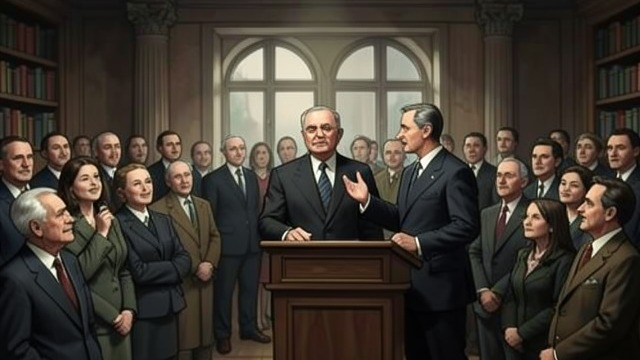
Presidential Honeymoon
Confidence
Truman’s first address and accessible manner won broad approval. For a time, voters saw him as a sincere, ordinary man thrust into extraordinary circumstances.
Pressure
Postwar strikes and shortages quickly challenged that goodwill.
The Polls Turn Against Him
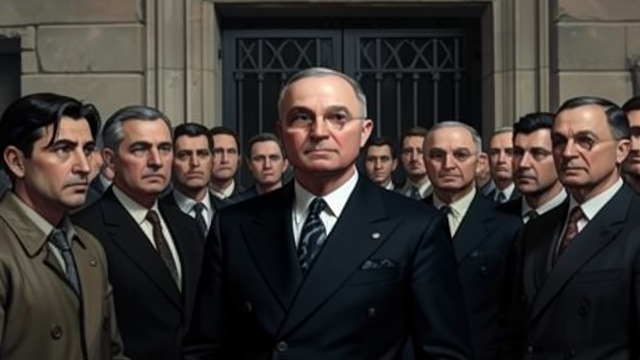
The Polls Turn Against Him
Decline
Strikes, political mistakes, the Wallace affair, and conflict with Congress drove approval downward. Newspapers and polls increasingly treated his defeat as certain.
Response
Truman resisted retreat and chose direct campaigning over a carefully managed image.
A Public Comeback
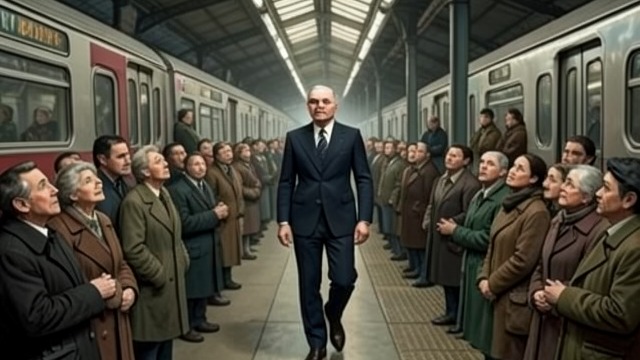
A Public Comeback
Contact
Large crowds greeted Truman as he traveled by rail. The personal encounters contradicted the impression of a public that had abandoned him.
Victory
His election upset the forecasts and demonstrated the limits of polling and elite judgment.
A Different Kind of Legacy
A Different Kind of Legacy
Reassessment
After leaving office, Truman’s reputation rose as observers reconsidered his wartime decisions and his conduct in office.
Memory
His popularity among people who knew him personally contrasted with his poor ratings during difficult periods of his presidency.
April 1945
1945–1946
1946–1948
September–November 1948
1953–1972
