
The Road to Presidential Succession
TrumanThis flow traces the political choices that placed Truman in the vice presidency and then unexpectedly in the White House.
increasing Bearing strength in each event
 decreasing
Bearing strength in each eventdecreasingA War Record
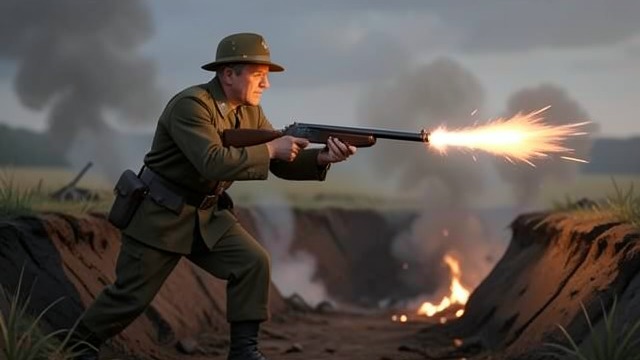
A War Record
Service
Truman volunteered for military service despite age and eyesight concerns. In France he became a respected artillery commander.
Political Asset
His command record later offered political credibility that his business career alone could not provide.
Senator in the Shadows
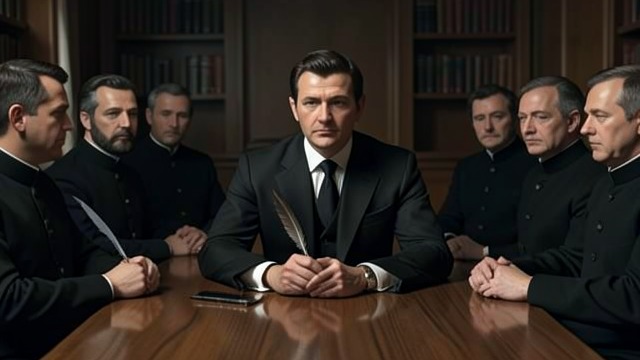
Senator in the Shadows
Apprenticeship
Truman entered the Senate under suspicion because of his Pendergast association. He learned procedure and built expertise through committee work.
Emerging Reputation
The defense investigation gave him a record of diligence, fairness, and courage.
A Candidate Few Expected
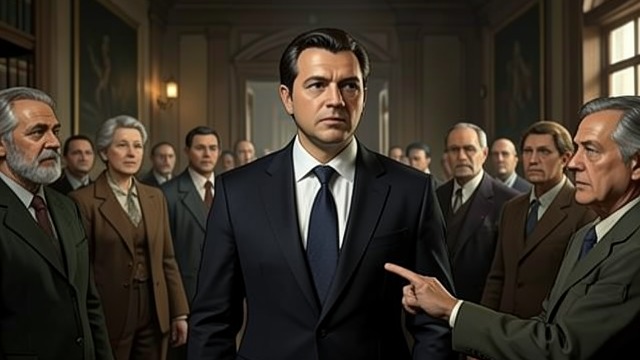
A Candidate Few Expected
Selection
Party leaders sought a vice-presidential candidate acceptable to labor, conservatives, and southern Democrats. Truman’s clean image and practical political experience made him a compromise choice.
Acceptance
Franklin D. Roosevelt’s pressure ended Truman’s resistance to the nomination.
Sudden Presidency
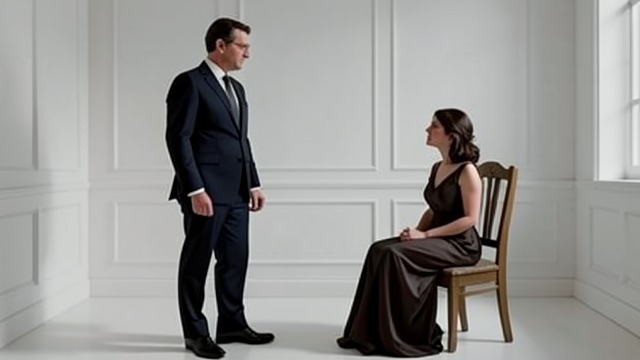
Sudden Presidency
Shock
Truman was called to the White House and told Roosevelt had died. He became President with little preparation and few close relationships in the executive branch.
First Response
His question about what he could do for Eleanor Roosevelt revealed both compassion and immediate responsibility.
Finding His Own Authority
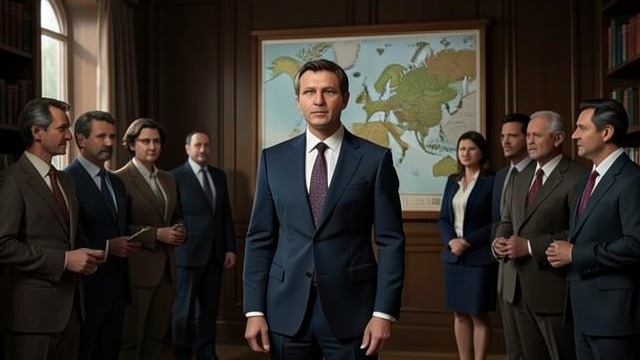
Finding His Own Authority
Early Tests
Truman met Molotov, learned of the atomic project, and made decisions on Berlin’s future and postwar diplomacy. He asked for advice without relinquishing responsibility.
Emergence
Within months, the uncertain successor was asserting his own authority as Commander in Chief and President.
1917–1919
1935–1943
1944
April 12, 1945
April–July 1945
