
Truman’s Relationship with Power
TrumanThis flow traces Truman’s respect for office, reluctance toward personal ambition, and acceptance of responsibility.
increasing Bearing strength in each event
 decreasing
Bearing strength in each eventdecreasingEarly Ambition
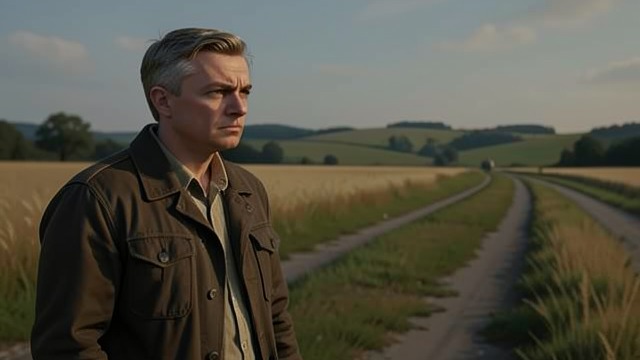
Early Ambition
Uncertain Future
Truman wanted to become a general or musician but could not afford college and returned to the farm. He dreamed of wealth and distinction while doubting his ability to achieve either.
Character
The gap between ambition and circumstance taught him that effort, not status, defined a person.
Local Office
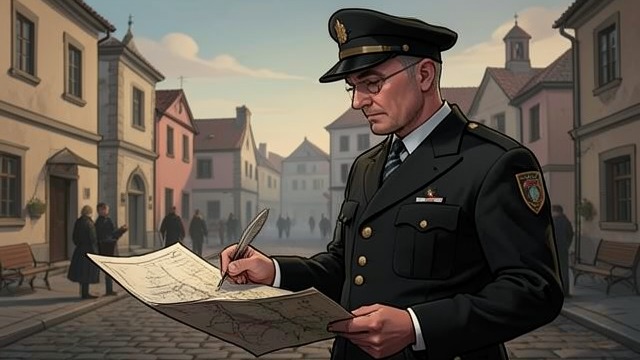
Local Office
Power Through Service
Truman accepted county office when he needed work, then took its obligations seriously. Roads and administration mattered more to him than political display.
Contradiction
He accepted machine support while trying to keep his office honest and useful.
Reluctant Vice President
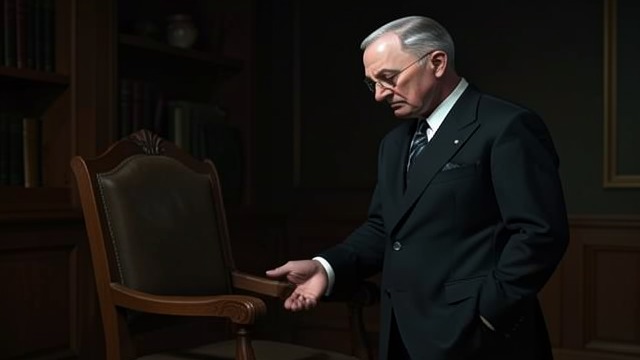
Reluctant Vice President
Refusal
Truman repeatedly said he wanted to remain in the Senate and did not want the vice presidency. He understood the danger of succeeding an aging president.
Fate
Political leaders and Franklin D. Roosevelt chose him despite his reluctance.
Accepting the Burden
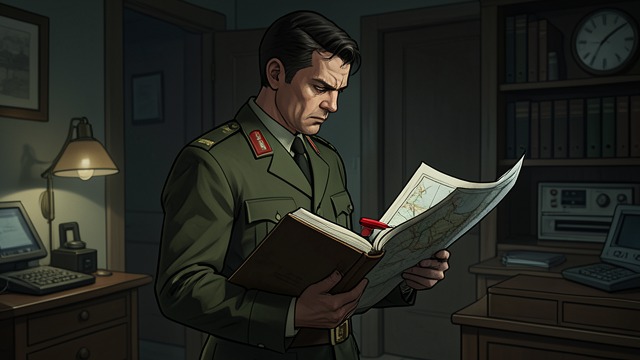
Accepting the Burden
Responsibility
Truman faced war, nuclear decisions, and international crises. He did not believe he could escape responsibility simply because he felt unprepared.
Principle
His repeated insistence that decisions were his helped define his understanding of the presidency.
Voluntary Departure
Voluntary Departure
Choice
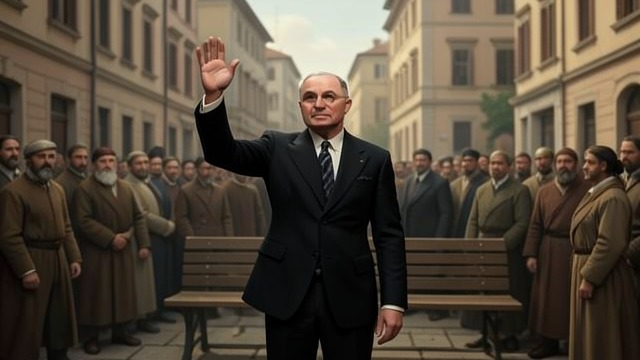
Truman announced that he would not seek another term, invoking the two-term tradition and the example of Cincinnatus.
Meaning
He left office by choice, emphasizing that no person should become indispensable to a democracy.
1901–1917
1922–1934
1943–1944
1945–1953
1952–1953
