
The Preserving of Peace
TrumanThis flow traces Truman’s effort to deter aggression while avoiding a new world war.
increasing Bearing strength in each event
 decreasing
Bearing strength in each eventdecreasingLessons from Two Wars
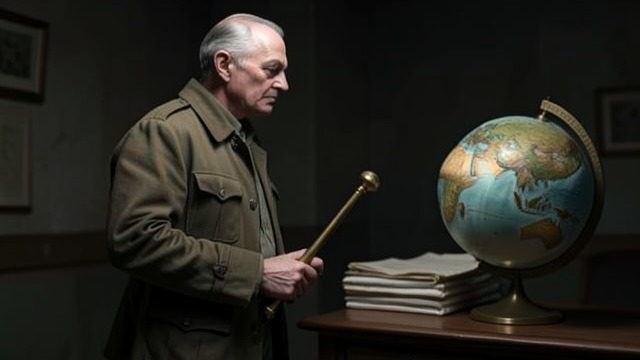
Lessons from Two Wars
Memory
Truman’s World War I service and later reading of history shaped his belief that isolationism and missed opportunities could invite another war.
Preparedness
He supported aid to threatened democracies and called for stronger American defenses before the country entered World War II.
Building the Peace
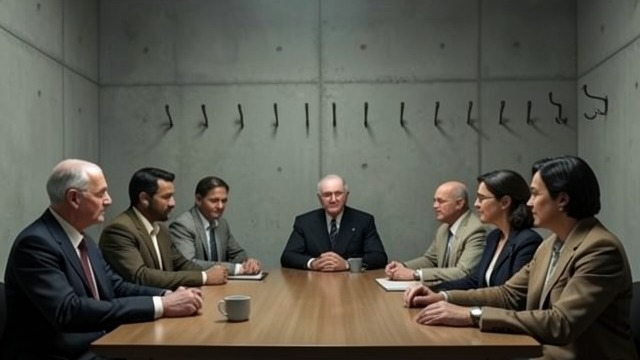
Building the Peace
Institutions
Truman backed the United Nations, economic recovery, and NATO as foundations for peace. He wanted American strength to support cooperation rather than territorial conquest.
Limits
His optimism collided with Soviet control of Eastern Europe and the realities of occupation.
Berlin Test
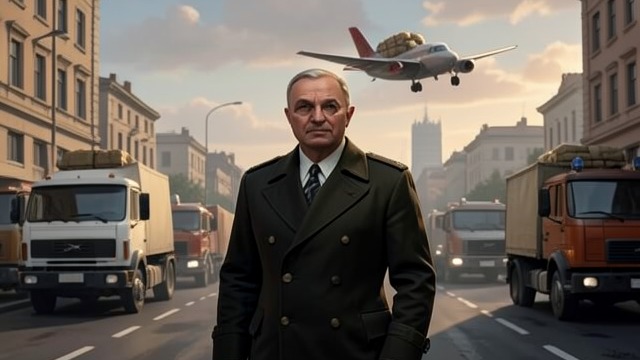
Berlin Test
Pressure
The Soviet blockade sought to force the Western Allies out of Berlin. Truman faced a choice between military confrontation and withdrawal.
Strategy
He chose the airlift, demonstrating resolve without beginning a shooting war.
Korea as a Boundary
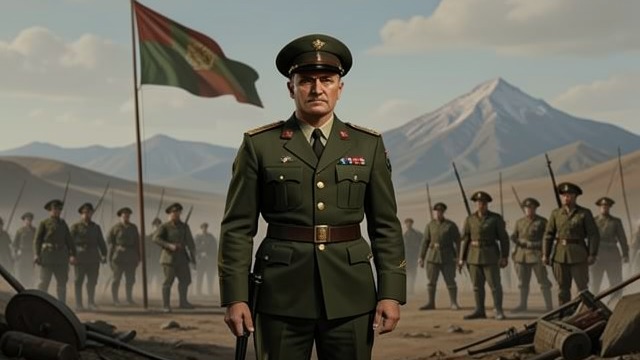
Korea as a Boundary
Commitment
Truman defended South Korea against invasion but refused to expand the conflict into a wider war with China.
Restraint
His policy of limited war frustrated military advocates of victory at any cost, but aimed to prevent a global conflict.
A Long Cold War
A Long Cold War
Adaptation
The administration expanded defense capacity and alliances while continuing to seek a settlement in Korea. Truman recognized that the Cold War would not end quickly.
Legacy
He left office believing that patience, strength, and cooperation could preserve peace.
1918–1941
1945–1949
1948–1949
1950–1951
1951–1953
