
Truman’s Farewell to Power
TrumanThis flow traces Truman’s decision to leave office and the gradual restoration of his reputation afterward.
increasing Bearing strength in each event
 decreasing
Bearing strength in each eventdecreasingChoosing Not to Run
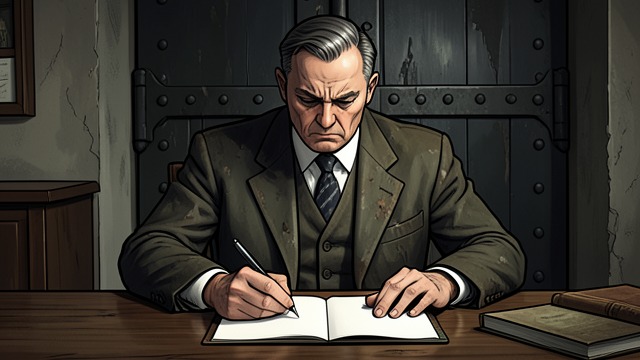
Choosing Not to Run
Decision
Truman decided not to seek reelection, believing that no president should become indispensable. He wanted to restore a tradition of voluntary departure.
Cost
The decision ended a career shaped by repeated campaigns and left open the question of what he would do next.
A Difficult Handover
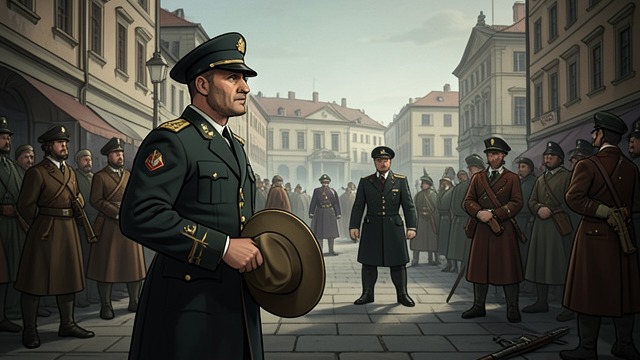
A Difficult Handover
Departure
Truman transferred the presidency to Dwight Eisenhower after a bitter political rivalry and a formal election defeat.
Feeling
He was relieved to leave but remained proud of his record and protective of the office.
The Citizen Again
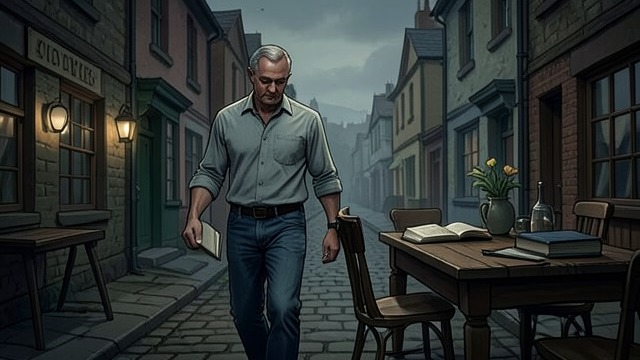
The Citizen Again
Adjustment
Back in Independence, Truman had no official staff or pension and struggled to establish a post-presidential routine. He wrote memoirs and planned a library.
Purpose
Returning home gave him familiar people and work, though he missed the pace of office.
Library and Legacy
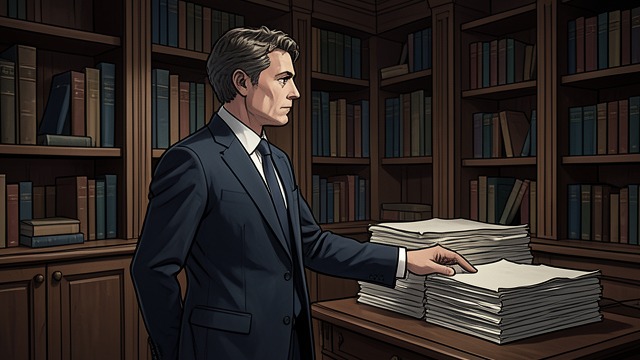
Library and Legacy
Public Record
Truman opened his library to preserve presidential papers and give the public access to his administration’s record. He treated the project as a public trust.
Reassessment
The library gave him work and helped renew interest in his presidency.
A Late-Life Public Figure
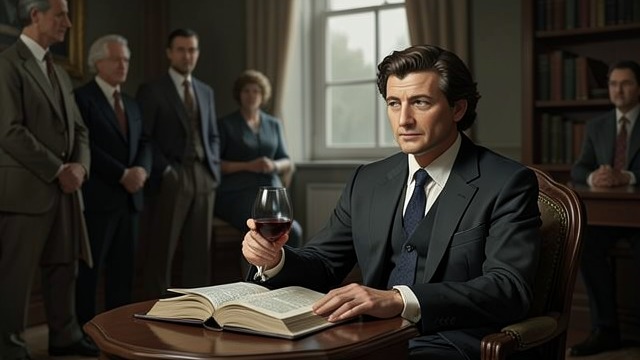
A Late-Life Public Figure
Renewed Attention
Memoirs, speeches, travel, and family life kept Truman engaged with the country. His reputation rose as the public revisited his decisions.
Closing
Illness and age slowed him, but he remained engaged with books, visitors, and public memory until his death.
1952
January 1953
1953–1955
1955–1957
1956–1972
