
The Succession of Presidents
TrumanThis flow traces Truman’s understanding of the presidency through his succession to Roosevelt, conflicts with Eisenhower, and final retirement.
increasing Bearing strength in each event
 decreasing
Bearing strength in each eventdecreasingInherited the Office
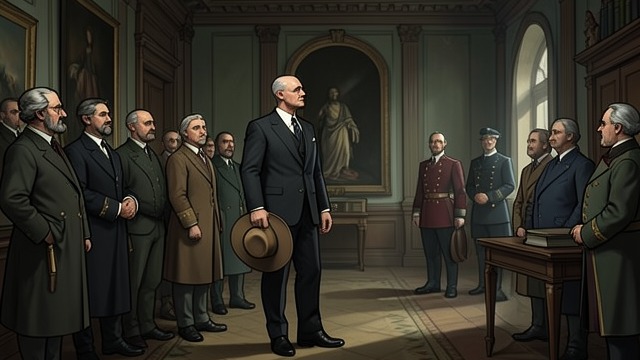
Inherited the Office
Sudden Change
Truman became President after Roosevelt’s death, with no transition period and little knowledge of secret wartime plans.
Challenge
He had to act presidential before he felt prepared, learning the office in public view.
Serving in Roosevelt’s Shadow
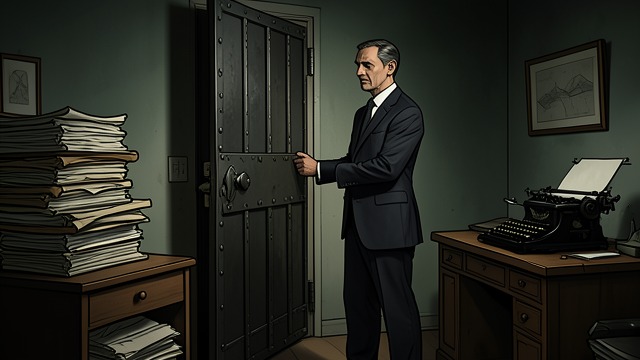
Serving in Roosevelt’s Shadow
Comparison
Truman continued much of Roosevelt’s program while critics questioned his stature and experience. He gradually made policy decisions in his own name.
Identity
He sought continuity without pretending to be Roosevelt.
Elected in His Own Right
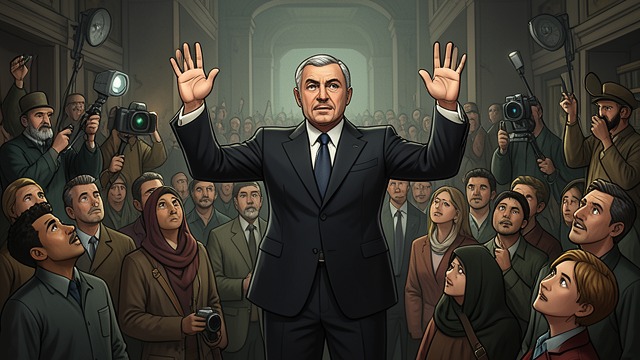
Elected in His Own Right
Validation
Truman’s unexpected reelection turned succession into a personal mandate. The victory restored his confidence and made the presidency his own.
Responsibility
He now faced international crises without Roosevelt’s shadow or the promise of a short caretaker term.
Preparing a Successor
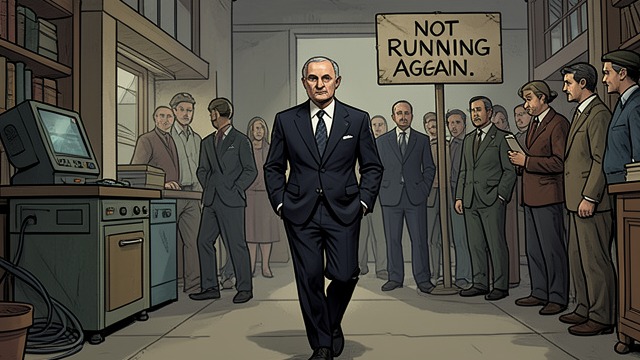
Preparing a Successor
Withdrawal
Truman announced that he would not run again and supported a peaceful transfer of power. He attempted to help Adlai Stevenson but did not control the nomination.
Transition
He accepted that the office would belong to another man and returned to private life.
Life Beyond Office
Life Beyond Office
Citizen Role
Truman built his library, wrote, and remained an active public voice without seeking another office. He resisted monetizing his presidential status.
Continuity
The presidency ended, but his sense of public duty and connection to ordinary citizens continued.
April 1945
1945–1948
November 1948
1952–1953
1953–1972
