
Truman’s Reputation After Office
TrumanThis flow traces the movement from postwar criticism toward renewed respect for Truman’s record.
increasing Bearing strength in each event
 decreasing
Bearing strength in each eventdecreasingA Contested Departure
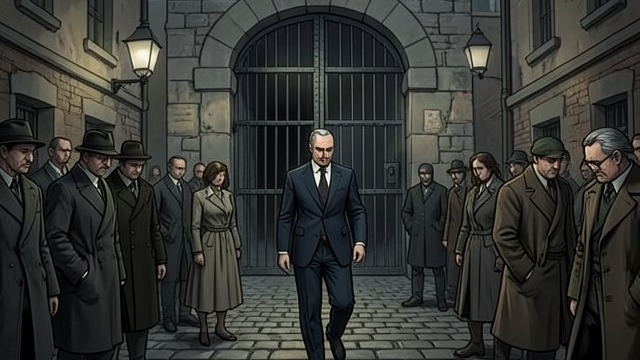
A Contested Departure
Public Judgment
Truman left office amid criticism of the Korean War, scandals, and political defeat. Many contemporaries treated him as a failed or minor president.
Private Confidence
He remained proud of decisions he believed had preserved peace and democratic government.
Memoirs and Evidence
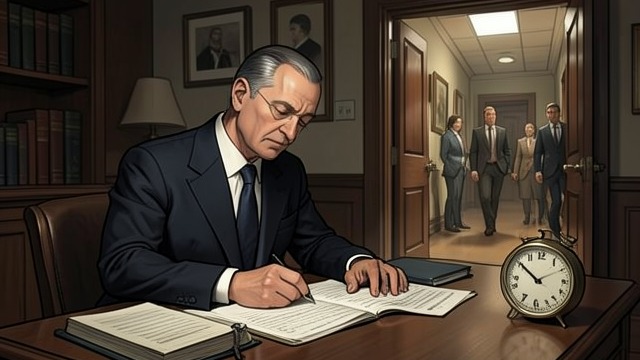
Memoirs and Evidence
Writing History
Truman worked intensively on memoirs, relying on his papers and memories. He aimed for factual completeness more than literary elegance.
Impact
The books gave readers a fuller view of the constraints and responsibilities he had faced.
The Library’s Testimony
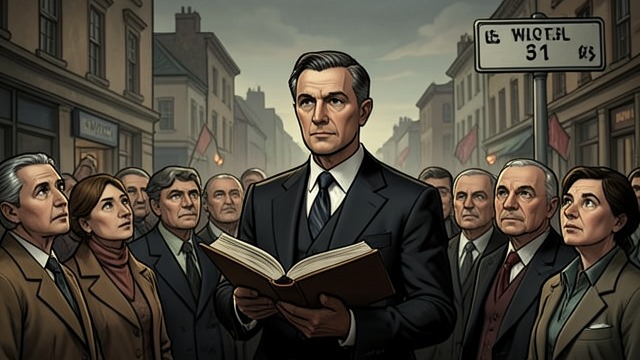
The Library’s Testimony
Public Access
The Truman Library made records available to researchers and visitors. Truman wanted people to judge his administration from evidence.
Reassessment
Documents and personal recollections complicated the caricature of him as merely a machine politician or accidental president.
A Living Former President
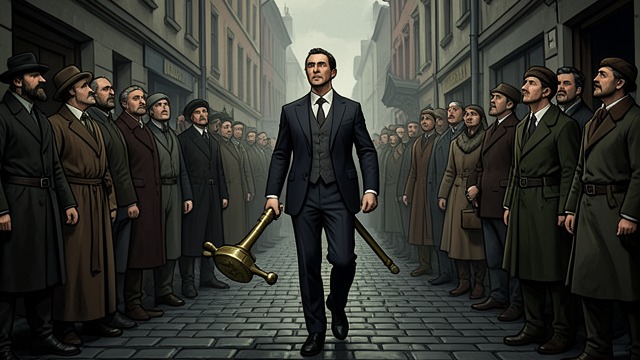
A Living Former President
Public Role
Truman traveled, spoke, and attended political events, remaining an active voice without holding office. His visits often drew affection and curiosity.
Relationship to Power
He resisted endorsements that would undermine his independence and continued to judge presidents by their decisions.
Historical Reappraisal
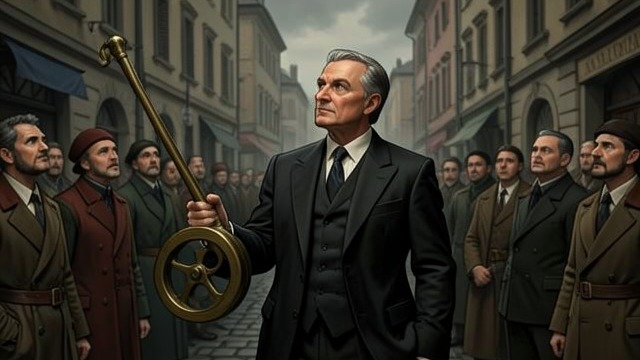
Historical Reappraisal
Changing Views
As time passed, Truman’s role in the Berlin Airlift, the Marshall Plan, Korea, and civil rights received renewed attention.
Legacy
He died with serious controversies unresolved but a growing reputation for courage, honesty, and responsibility.
1952–1953
1953–1956
1957–1960s
1956–1964
1965–1972
