
Political Identity and Loyalty
TrumanThis flow traces Truman’s belief in personal loyalty and its benefits and costs across his political life.
increasing Bearing strength in each event
 decreasing
Bearing strength in each eventdecreasingFriends as Political Currency
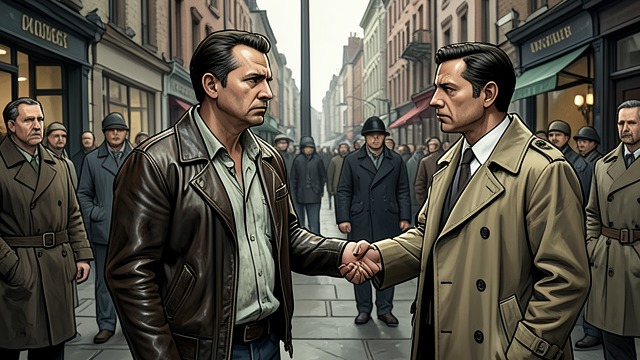
Friends as Political Currency
Local Politics
Truman entered politics through personal relationships and machine support. He saw friendship and reciprocity as ordinary elements of democratic politics.
Foundation
His loyalty to political allies became a defining feature of his public identity.
A Code of Fair Dealing
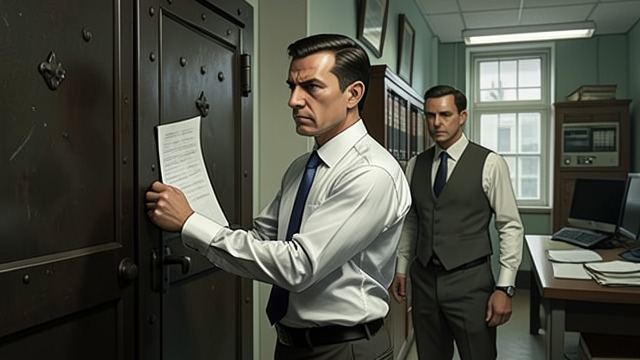
A Code of Fair Dealing
Public Service
Truman believed contracts should be awarded fairly and public employees should work for their pay. He refused to enrich himself through office.
Tension
His standards for public conduct did not always align with the political organization that supported him.
Loyalty Under Scrutiny
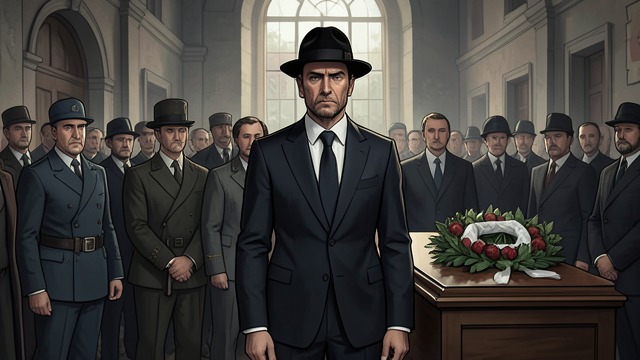
Loyalty Under Scrutiny
Old Ties
Truman stayed loyal to Thomas Joseph Pendergast after the machine’s scandals and later attended Pendergast’s funeral as Vice President.
Political Cost
The acts reflected personal fidelity but reinforced suspicions about his political origins.
Friends in Office
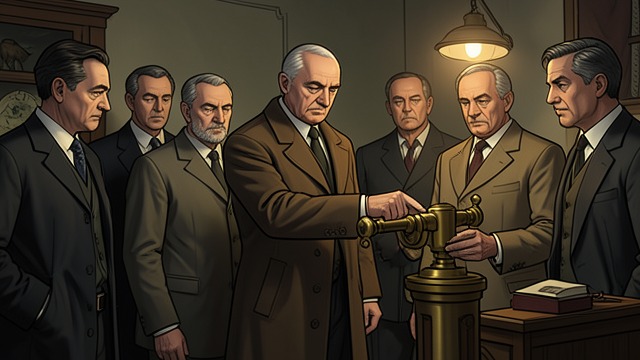
Friends in Office
Trust
Truman valued the loyalty of friends such as Harry Vaughan and William Boyle, sometimes keeping them close despite criticism.
Vulnerability
His reluctance to abandon associates made scandals more damaging and complicated his administration’s public image.
Loyalty to the Office
Loyalty to the Office
Conflict
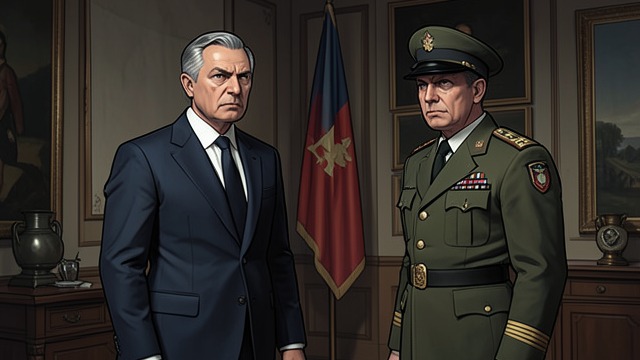
Truman removed General MacArthur when the general publicly challenged presidential policy. He distinguished personal admiration from obedience to civilian authority.
Principle
His decision revealed that loyalty to constitutional office could supersede personal or military prestige.
1920s
1920s–1930s
1936–1945
1945–1952
1951–1953
