
Truman’s Final Campaign and Return Home
TrumanThis flow traces Truman’s final years in office, his last electoral contest, and his deliberate return to private citizenship.
increasing Bearing strength in each event
 decreasing
Bearing strength in each eventdecreasingThe Decision to Leave
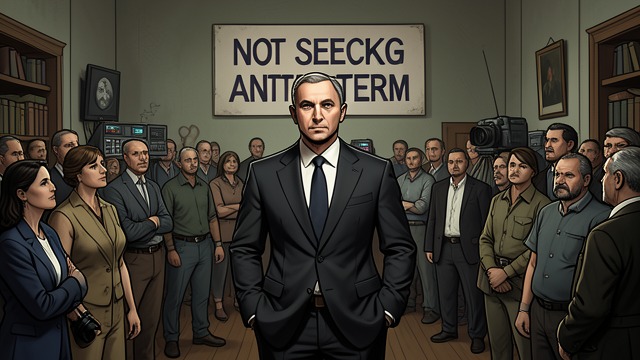
The Decision to Leave
Withdrawal
Truman announced he would not seek another term, citing the need to preserve a democratic limit on presidential tenure. He supported Adlai Stevenson as the Democratic nominee.
End of Office
He chose to leave the presidency at a moment when his popularity was low and the Korean War remained unresolved.
A Controversial Final Year
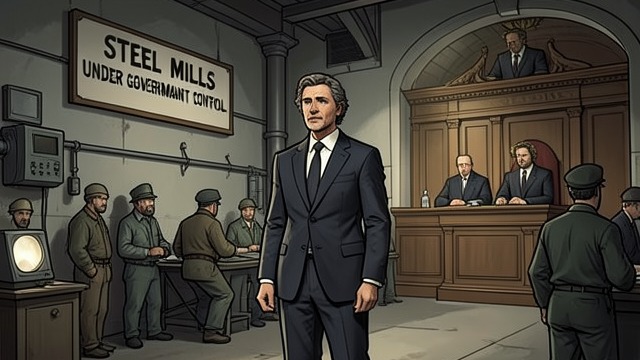
A Controversial Final Year
Steel Crisis
Truman seized the steel mills to prevent a strike during the Korean War. The Supreme Court ruled the action unconstitutional.
Political Cost
The decision reinforced his belief in executive responsibility but deepened criticism of his administration.
Transfer to Eisenhower
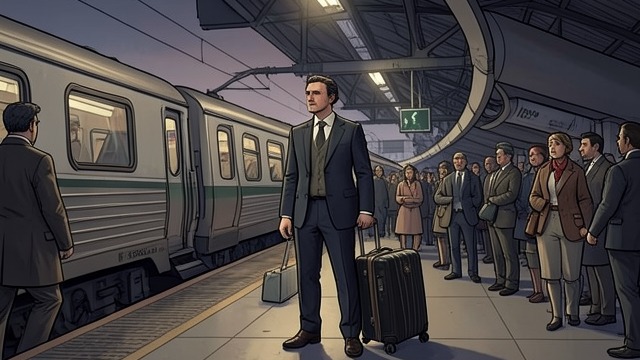
Transfer to Eisenhower
Departure
Truman completed the handover to Dwight Eisenhower and returned by train to Missouri. He left without bitterness but with a clear sense of what the office required.
Continuity
He accepted the peaceful transfer as an essential democratic practice.
Life in Independence
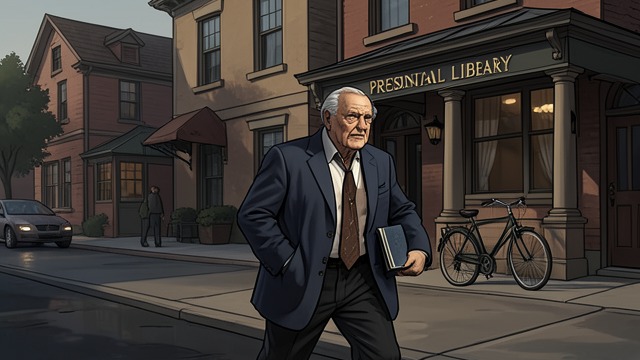
Life in Independence
Adjustment
Truman returned to North Delaware Street and began writing, walking, and planning a presidential library. The change from public office was difficult but familiar.
Purpose
He sought to preserve the historical record and remain useful without selling his name.
A Public Legacy
A Public Legacy
Continued Service
Truman remained active through speeches, visits, library work, and correspondence. His reputation improved as new generations assessed his presidency.
Homecoming
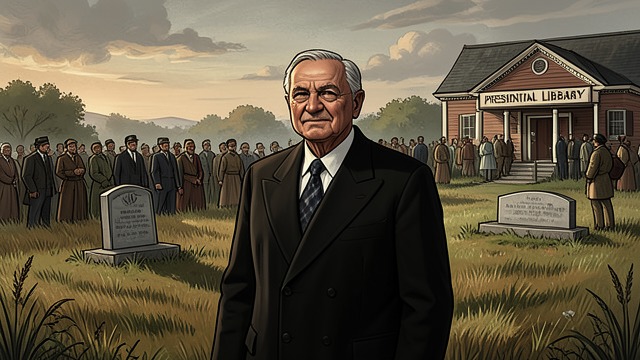
He died in the town where his story began and was buried beside his family at the library he had created.
1952
1952
January 1953
1953–1957
1957–1972
