
From Local Machine Politics to National Leadership
TrumanThis flow traces Truman’s changing relationship with political organizations, from dependence on local patronage to national leadership.
increasing Bearing strength in each event
 decreasing
Bearing strength in each eventdecreasingA Local Political Culture
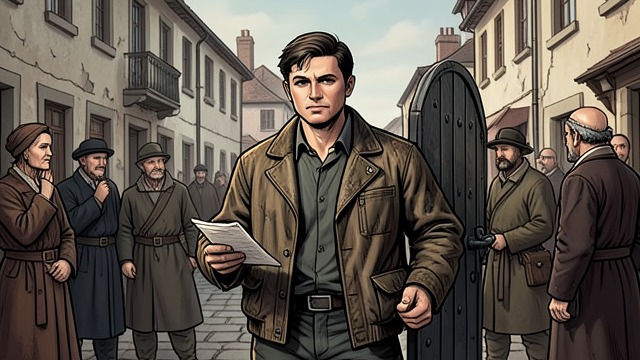
A Local Political Culture
Roots
Truman grew up in a Democratic, locally oriented political culture where personal connections and public service were closely intertwined.
Entry
His first county campaign depended on machine support, giving him access to office but tying his reputation to local bosses.
The Pendergast Alliance
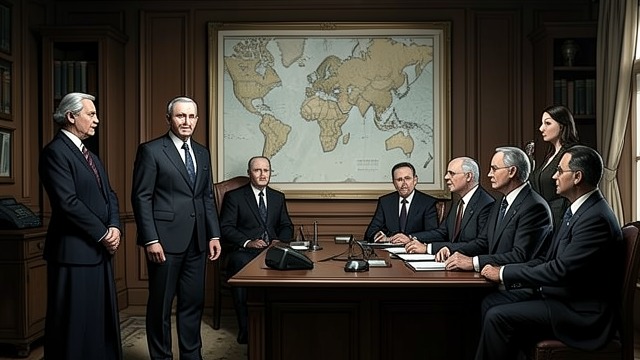
The Pendergast Alliance
Support and Service
The Pendergast organization backed Truman’s election and helped shape the county administration. Truman delivered practical work while accepting party patronage as normal politics.
Tension
His growing commitment to fair contracts and public service set limits on what he would do for political allies.
Loyalty Tested by Corruption
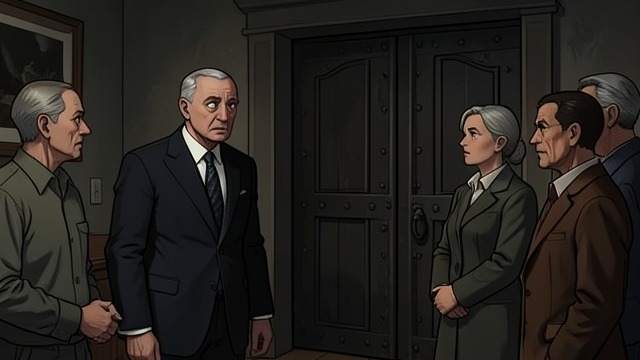
Loyalty Tested by Corruption
Collapse
Investigations revealed election fraud and financial crimes within the Kansas City organization. Truman defended old friends and resisted abandoning Pendergast.
Cost
The scandal burdened him politically, though no evidence implicated him in the crimes themselves.
National Party Leadership
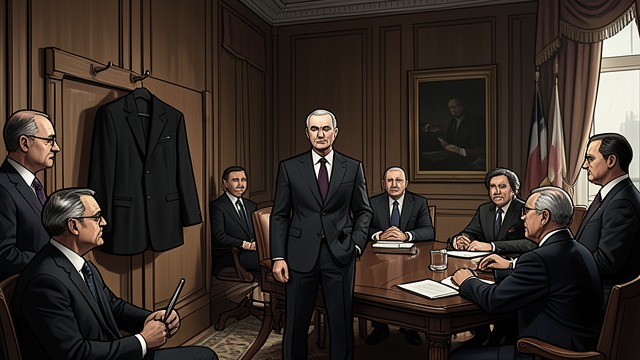
National Party Leadership
Advancement
Party leaders chose Truman for the vice-presidential nomination, then relied on his candidacy for the Senate and presidency despite doubts about his prospects.
Transformation
He became a national party leader while keeping the instincts of a county politician who valued personal contact.
Politics and Public Trust
Politics and Public Trust
Pressure
Truman tried to govern with personal loyalty and party support while facing corruption investigations and demands for patronage.
Legacy
His insistence that responsibility rested with the President increasingly separated his public ethics from machine politics.
Childhood–1922
1922–1934
1936–1939
1944–1948
1949–1953
