
The Making of Truman’s Leadership
TrumanThis flow traces the personal qualities through which Truman changed from an anxious young man into a commanding wartime leader.
increasing Bearing strength in each event
 decreasing
Bearing strength in each eventdecreasingShy and Watchful Boy
Shy and Watchful Boy
Early Temperament
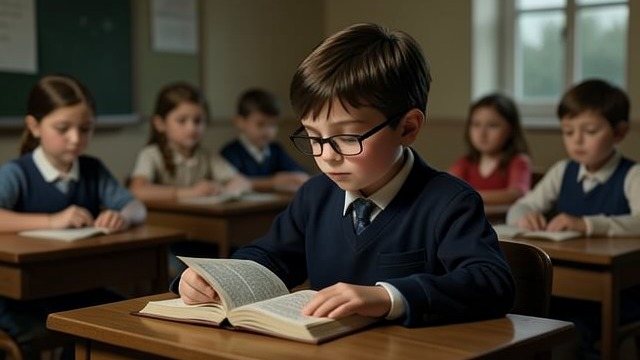
Poor eyesight and a solitary temperament made Truman cautious among other children. He learned to observe people and discover what pleased teachers and family.
Emerging Strength
Reading and attention to history gave him confidence, though he remained self-conscious and shy.
Aspirations and Disappointment
Aspirations and Disappointment
Closed Doors
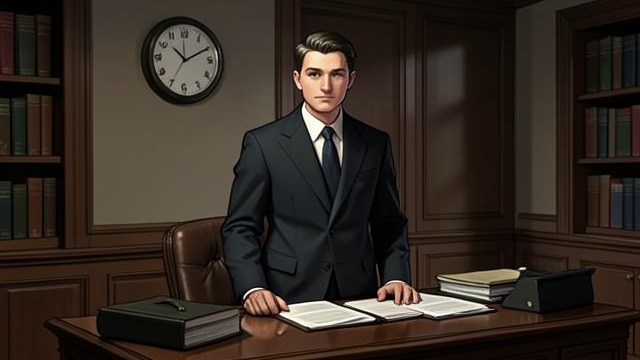
Truman hoped to attend West Point and imagined becoming a general or concert pianist. Poor eyesight and family finances ended both ambitions.
Adaptation
Bank work and railroad employment exposed him to adult responsibilities and a wider range of people.
Farm Work and Failure
Farm Work and Failure
Discipline
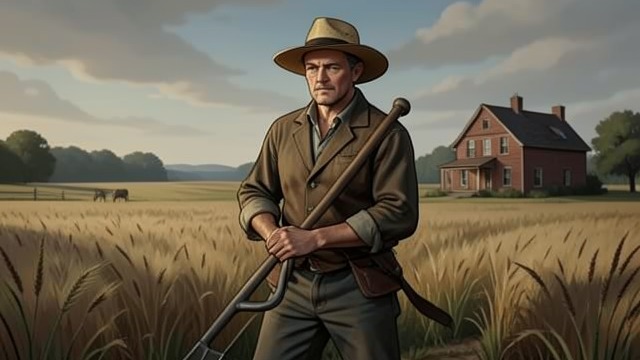
Truman learned farming from his father, working long days and keeping accounts. He also tried mining and oil ventures, losing borrowed money.
Restlessness
Farm life developed competence and endurance but did not resolve his uncertainty about what his life should become.
Command Under Fire
Command Under Fire
Testing Courage
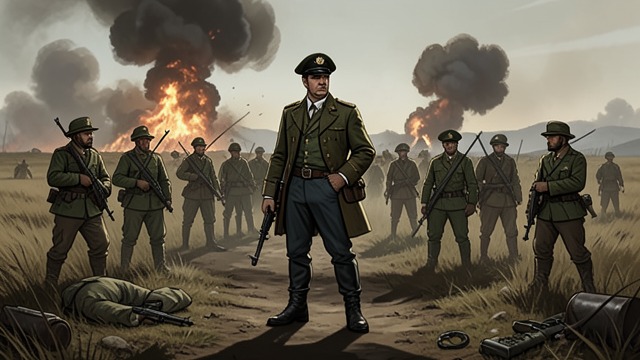
As a captain in France, Truman faced enemy fire and a frightened battery. He held his ground and enforced discipline without abandoning fairness.
Change
The experience demonstrated that he could command men and gave him confidence he had not found on the farm.
A Proven Executive
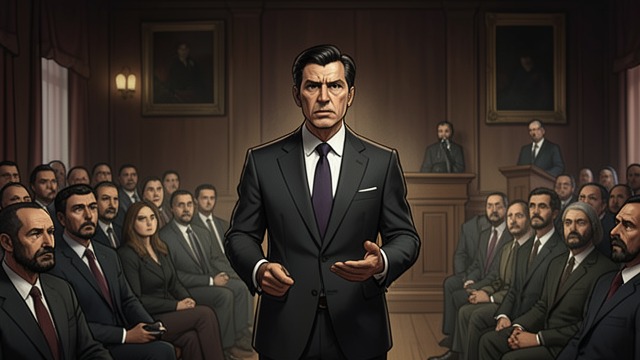
A Proven Executive
Growth
Truman moved from county administration to the Senate and presidency, repeatedly learning through hard work rather than formal schooling.
Character Under Pressure
His bluntness, loyalty, and confidence in ordinary people became assets in crises, though sometimes they also led him to misjudge allies.
1890s
1901–1905
1906–1917
1918
1923–1953
